



Cosmic Visitors from Halley's Comet
The Orionid meteor shower is an annual event that occurs when Earth passes through the dusty trail left behind by Comet 1P/Halley. While Halley's Comet itself only visits the inner solar system every 76 years (its next appearance is in 2061), its legacy
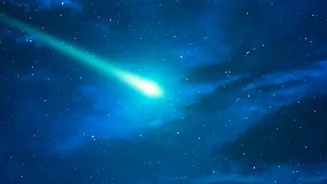
lights up our skies twice a year. The dust and ice particles shed by the comet on its ancient journeys burn up upon entering our atmosphere, creating the fast, bright streaks we call meteors. The Orionids are known for their speed, hitting the atmosphere at roughly 66 kilometres per second. This incredible velocity often makes them particularly bright and can leave behind glowing trails that linger for a few moments after the meteor has vanished.
Peak Viewing Dates and Times for India
For 2026, the Orionid meteor shower will be active from early October to early November. However, the best time to watch will be during its peak, on the night of October 21 and the early morning of October 22. Under perfect, dark-sky conditions, you might see between 10 to 20 meteors per hour. There is a challenge this year: a bright waxing gibbous Moon will be in the sky for much of the night, washing out fainter meteors. But there's a window of opportunity. For most of India, the Moon will set in the early morning hours, between roughly 2:30 AM and 4:00 AM IST. The ideal time to watch will be in this dark period, from moonset until the first light of dawn begins to brighten the sky around 5:15 AM.
Where to Look in the Night Sky
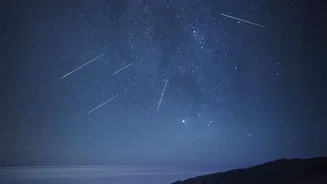
The meteors get their name because they appear to radiate from a point in the constellation Orion the Hunter. To find this 'radiant', first locate the three prominent stars that form Orion's Belt. Look just above this belt for the bright, reddish star Betelgeuse. The radiant point is near this star. However, you don't need to stare directly at the radiant. In fact, it's better not to. Meteors will appear all across the sky, and those that travel further from the radiant often have longer, more dramatic trails. The best strategy is to lie back and take in as wide a view of the sky as possible. From India, Orion will rise in the east around 10 PM to 11 PM and will be high in the sky in the hours before dawn.
Your Ultimate Viewing Checklist
To make the most of this celestial show, a little preparation goes a long way. First and foremost, escape city lights. The light pollution from urban areas will significantly reduce the number of meteors you can see. Head to a rural area, a nearby hill, or any open space with a clear, dark horizon. Give your eyes at least 20 to 30 minutes to fully adapt to the darkness; this means avoiding your phone screen. You won't need a telescope or binoculars, as your naked eyes are the best tool for spotting the wide-ranging streaks of meteors. Since the best viewing is in the chilly pre-dawn hours, dress warmly and bring a blanket or a comfortable reclining chair. Patience is key—meteors often come in spurts, so settle in and enjoy the quiet wait.
Setting Realistic Expectations
While some meteor showers can produce dozens of meteors per hour, the Orionids in 2026 are expected to be more modest, especially with the interfering moonlight. An expectation of seeing a handful of meteors per hour, with a few bright ones standing out, is realistic for a typical viewing spot. Remember that these are averages; you might see several in a few minutes, followed by a long pause. Don't be discouraged. The thrill of seeing even one or two of these incredibly fast meteors—glowing remnants of Halley's Comet—is a memorable experience that connects us to the grand movements of our solar system.