






The Monsoon Digestive Challenge
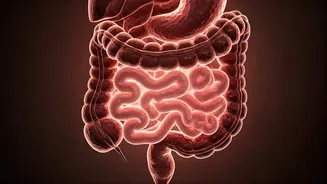
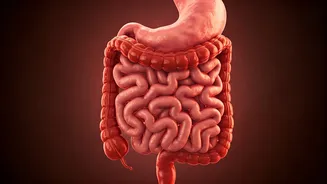
As the rains arrive, the atmosphere gets heavy with humidity. According to both modern wellness and traditional Ayurvedic principles, this environmental shift can slow down our digestive system. The digestive fire, or 'agni', is considered to be weaker,
making it harder for the body to process food efficiently. This can lead to common complaints like bloating, gas, acidity, and a general feeling of heaviness after meals. Furthermore, the monsoon creates a breeding ground for bacteria and viruses, increasing the risk of water-borne and food-borne infections that can wreak havoc on your gut.
Enter the Pear: A Fibre-Rich Solution
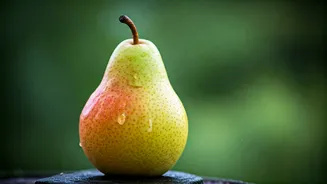
The pear, or 'Nashpati' as it is widely known in India, is a seasonal star of the monsoon. This humble fruit is a nutritional powerhouse when it comes to digestive health, primarily due to its incredible fibre content. A single medium-sized pear can provide around 6 grams of fibre, which is a significant portion of your daily requirement. Crucially, pears contain both soluble and insoluble fibre, a dynamic duo that works together to keep your digestive system running smoothly.
How Pears Work Their Magic
The fibre in pears acts as a natural regulating agent. Insoluble fibre adds bulk to stools, which helps prevent constipation and promotes regularity—a common issue when digestion is sluggish. On the other hand, soluble fibre, particularly a type called pectin, forms a gel-like substance in the gut. This pectin is a prebiotic, meaning it acts as food for the beneficial bacteria in your gut, helping to foster a healthy microbiome. A balanced gut microbiome is essential for proper nutrient absorption, reduced inflammation, and a stronger immune system. This process can also help ease both constipation and diarrhoea, making it a great balancer for an unpredictable monsoon tummy.
More Than Just Fibre: Hydration and Immunity
Beyond their fibre benefits, pears offer more to support your monsoon wellness. They have a high water content—around 84%—which helps you stay hydrated, an often-overlooked aspect of digestive health. Proper hydration keeps stools soft and helps flush out toxins. Additionally, pears are a good source of Vitamin C and other antioxidants like flavonoids. These nutrients are vital for boosting your immune system, which is constantly under threat during the rainy season. The anti-inflammatory properties of compounds found in pears can also help soothe the gut lining.
Effortless Ways to Enjoy Pears
Incorporating this fruit into your monsoon diet is incredibly easy. The simplest way is to eat it fresh as a snack, making sure to wash it thoroughly, especially during this season. Eating the pear with its skin is highly recommended, as the skin contains a large concentration of the beneficial fibre and nutrients. You can also slice pears into your morning oatmeal, add them to a salad for a touch of sweetness and crunch, or even stew them with a pinch of cinnamon for a comforting and gut-soothing dessert. Given their natural sweetness, they are a fantastic way to satisfy sugar cravings without resorting to unhealthy snacks that can further burden your digestion.