




The Silent Health Risk
Sodium is an essential mineral our bodies need to maintain fluid balance and support nerve function. However, the problem lies in the quantity. The World Health Organization (WHO) and the Indian Council of Medical Research (ICMR) recommend consuming less
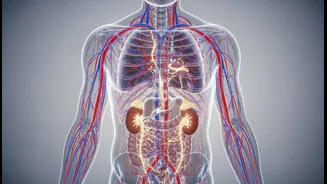
than 5 grams of salt per day, which is about one teaspoon or 2,000 mg of sodium. Unfortunately, studies show that the average Indian consumes around 11 grams of salt daily, more than double the recommended limit. This excess intake forces the body to retain water, increasing blood volume and putting extra strain on the heart and blood vessels. Over time, this can lead to high blood pressure (hypertension), and significantly increase the risk of heart disease, stroke, and kidney problems.
The Unseen Sodium in Staples
Many of the biggest sodium culprits are not the ones that taste overtly salty. They are the everyday staples we rarely question. For instance, bread is a significant source of hidden sodium; just two slices can contain between 280 to 480 mg. The salt is added for flavour and texture. Even seemingly healthy breakfast cereals can have over 200 mg of sodium per serving. Processed cheese, baked goods like biscuits and cookies, and even some breakfast batters for dishes like idli and dosa contain added salt that contributes to your daily total without you ever picking up the salt shaker.
The Condiment and Pickle Trap
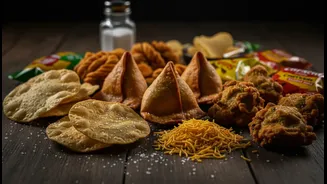
In Indian cuisine, our flavour companions are often the biggest sodium offenders. Pickles (achar), papads, and various chutneys are sodium bombs. A single tablespoon of a typical mango pickle can contain as much as 500 mg of sodium. A single piece of papad, whether roasted or fried, can add 200-300 mg. Sauces and store-bought spice mixes like chaat masala are also loaded with salt to enhance flavour and extend shelf life. These accompaniments, consumed in small amounts with every meal, cause your sodium intake to stack up rapidly throughout the day.
The Snack and Street Food Problem
That mid-day craving for a savoury snack can cost you a lot in sodium. Packaged namkeens like bhujia and sev, as well as potato chips, are famously high in salt. A small 50g serving can easily pack 400-500 mg of sodium. Even instant foods like noodles and soups are notorious, with a single packet often containing over half of your entire recommended daily sodium intake. Beloved street foods are no different; a plate of pav bhaji or a couple of samosas with chutney can contribute a massive sodium load, often exceeding 1,000 mg in one sitting.
Simple Swaps for a Healthier You
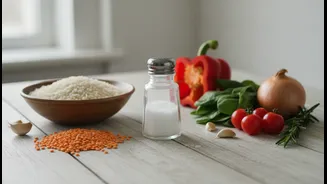
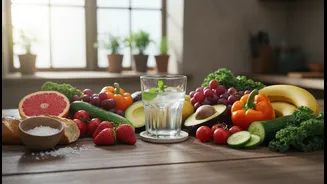
Reducing your sodium intake doesn't mean eating bland food. It’s about making smarter, more conscious choices. Start by reading the nutrition labels on packaged foods to be aware of their sodium content. When cooking, shift the flavour focus from salt to other seasonings. Use fresh herbs, ginger, garlic, lemon juice, and spices like cumin, coriander, and black pepper to build taste. Try not to add salt to your chapati dough or while cooking rice. Limit high-sodium accompaniments like pickles and papads, treating them as an occasional indulgence rather than a daily habit. Opting for fresh fruits and vegetables over packaged snacks and rinsing canned goods can also make a significant difference.