

Understanding the Colour Spectrum
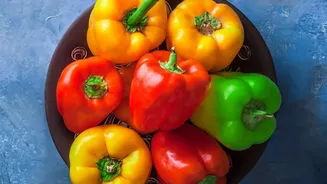
Not all bell peppers are created equal. Their colour tells a story about their flavour and nutritional profile. Green peppers are harvested earliest, giving them a slightly bitter, grassy flavour and the lowest price point. As they ripen on the vine,
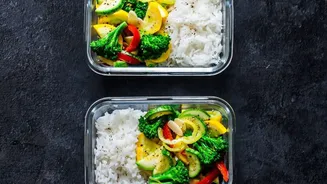
they turn yellow, orange, and finally, red. Each stage develops more sweetness and a higher concentration of nutrients. Red bell peppers are the sweetest and pack the biggest nutritional punch, boasting high levels of Vitamin C and beta-carotene. Yellow and orange peppers fall in the middle, offering a milder sweetness than red peppers but more than green ones. Choosing a mix of colours doesn't just make your stir-fry visually appealing; it creates a more complex flavour profile, blending the slight bitterness of the green with the candy-like sweetness of the red.
How to Pick the Perfect Pepper
Your journey to a great stir-fry begins in the produce aisle. When selecting bell peppers, look for ones that feel heavy for their size, which indicates thick, juicy walls. The skin should be firm, glossy, and smooth, free from any wrinkles, soft spots, or blemishes. A fresh pepper will yield only slightly to firm pressure. Check the stem as well; it should be green and look fresh, not dried out or browned. A vibrant, firm pepper will not only taste better but will also stay crisp and crunchy when cooked, providing that essential texture that makes a stir-fry so satisfying.
Mastering the Cut for Stir-Fries
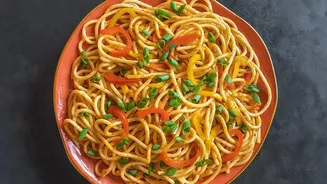
How you cut your capsicum can make a real difference. For stir-frying, the goal is to create pieces that cook quickly and evenly. A popular method is to slice off the top and bottom, then make a slit down one side to open the pepper up. Lay it flat, skin-side down, and use your knife to trim away the seeds and white pith. From here, you can easily cut the pepper into uniform strips or dice. Slicing them into thin, even strips (julienning) is perfect for dishes where you want the pepper to integrate with noodles or other long-cut vegetables. A medium dice works well when you want the pepper to be a more distinct, chunky element in the dish. Whatever style you choose, consistency in size is key to ensuring everything cooks at the same rate.
The Art of the Quick Cook
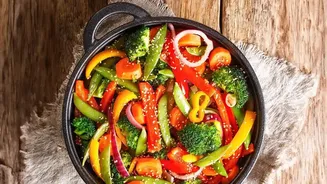
The magic of a stir-fry lies in high heat and fast cooking. Bell peppers should be added to a hot pan or wok, ensuring they sizzle on contact. The goal is to cook them until they are tender-crisp—heated through but still retaining a noticeable bite. Overcooking will leave them soft and mushy, losing their textural appeal. For many Indian-style stir-fries, this means adding them after your aromatics like onions, ginger, and garlic have been sautéed and spices have been toasted. If you're cooking them with heartier vegetables like potatoes (as in a classic Aloo Capsicum), the potatoes should be partially cooked before the peppers are added to the pan. This ensures all the vegetables reach the perfect consistency at the same time.
Perfect Pairings and Indian Flavours
Bell peppers are a wonderfully neutral base that pairs well with a huge variety of ingredients. In an Indian vegetarian kitchen, they are a natural partner for paneer, where the soft cheese contrasts beautifully with the crunchy pepper. They also work wonderfully with potatoes, onions, corn, and spinach. When it comes to spices, you can't go wrong with the basics: cumin seeds sizzled in hot oil, followed by coriander powder, turmeric, and a touch of garam masala at the end. For an Indo-Chinese twist, stir-fry bell peppers with onions, garlic, and a splash of soy sauce. Don't be afraid to experiment; their mild sweetness can handle bold spices and provides a delicious foundation for countless quick and healthy meals.