


The Monsoon's Unpredictable Fury
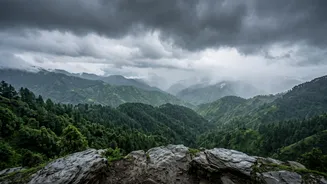
The very nature of the Indian monsoon is changing. Instead of gentle, spread-out showers that nurture the mountain slopes, the Himalayas are increasingly experiencing long dry spells punctuated by sudden, ferocious downpours. Climate scientists point
out that warmer air holds more moisture, leading to these intense rainfall events that dump a week's worth of rain in just a few hours. This shift from steady rain to destructive bursts is making the fragile Himalayan ecosystem, where many of India's beloved hill stations are located, dangerously unstable. Recent monsoon seasons have demonstrated this with deadly consequences in states like Himachal Pradesh and Uttarakhand.
Landslides and Washed-Out Roads
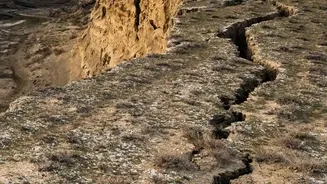
The most immediate and visible impact of these intense rains is a surge in landslides. In July and August 2026, heavy rainfall triggered landslides across Himachal Pradesh and Uttarakhand, blocking hundreds of roads and cutting off entire communities. In one incident, a nearly 100-metre stretch of the Yamunotri National Highway was completely washed away, stranding pilgrims. These events are not isolated; they are becoming a frighteningly regular feature of the monsoon season. The saturated soil on slopes, often destabilised by rampant construction for roads and hotels, simply gives way under the pressure of a sudden deluge. For tourists and locals, this means journeys become perilous, supply chains are broken, and the risk to life and property grows with every downpour.
The Paradox of Floods and Water Scarcity
It seems contradictory, but these intense rainfall events are also a leading cause of severe water shortages in hill stations like Shimla and Mussoorie. Historically, these towns relied on gradual snowmelt and steady monsoon rains to replenish the springs and groundwater that supply their water. However, less snow in winter and torrential rain in summer means the water runs off the steep slopes rapidly, causing floods without recharging the underground aquifers. Compounded by a massive influx of tourists that strains an already fragile infrastructure, cities like Shimla have faced 'Day Zero' scenarios, where taps run dry for days, forcing residents to queue for water tankers and even plead with tourists to stay away.
Tourism in the Balance
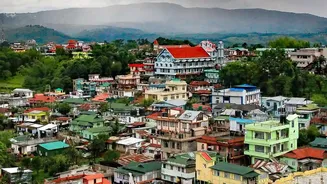
The tourism industry, the economic backbone of most hill destinations, is caught in a vicious cycle. The desire to escape scorching heat in the plains is driving more people to the hills, leading to a boom in construction that further weakens the landscape. This overtourism overwhelms the carrying capacity of these towns, straining everything from waste management to water supply. When disaster strikes, the very infrastructure built for tourism collapses. Tour operators report that the uncertainty of road connectivity and the increasing frequency of landslides are affecting bookings. The very appeal of these destinations—their serene environment—is being eroded by the combination of climatic shifts and unsustainable development.