






The Allure of the Perfect Shot
Let’s be honest: who doesn’t love a stunning travel photograph? In the age of social media, capturing and sharing the beauty of a historic monument is a powerful impulse. Platforms like Instagram have become visual diaries, turning ancient temples and magnificent
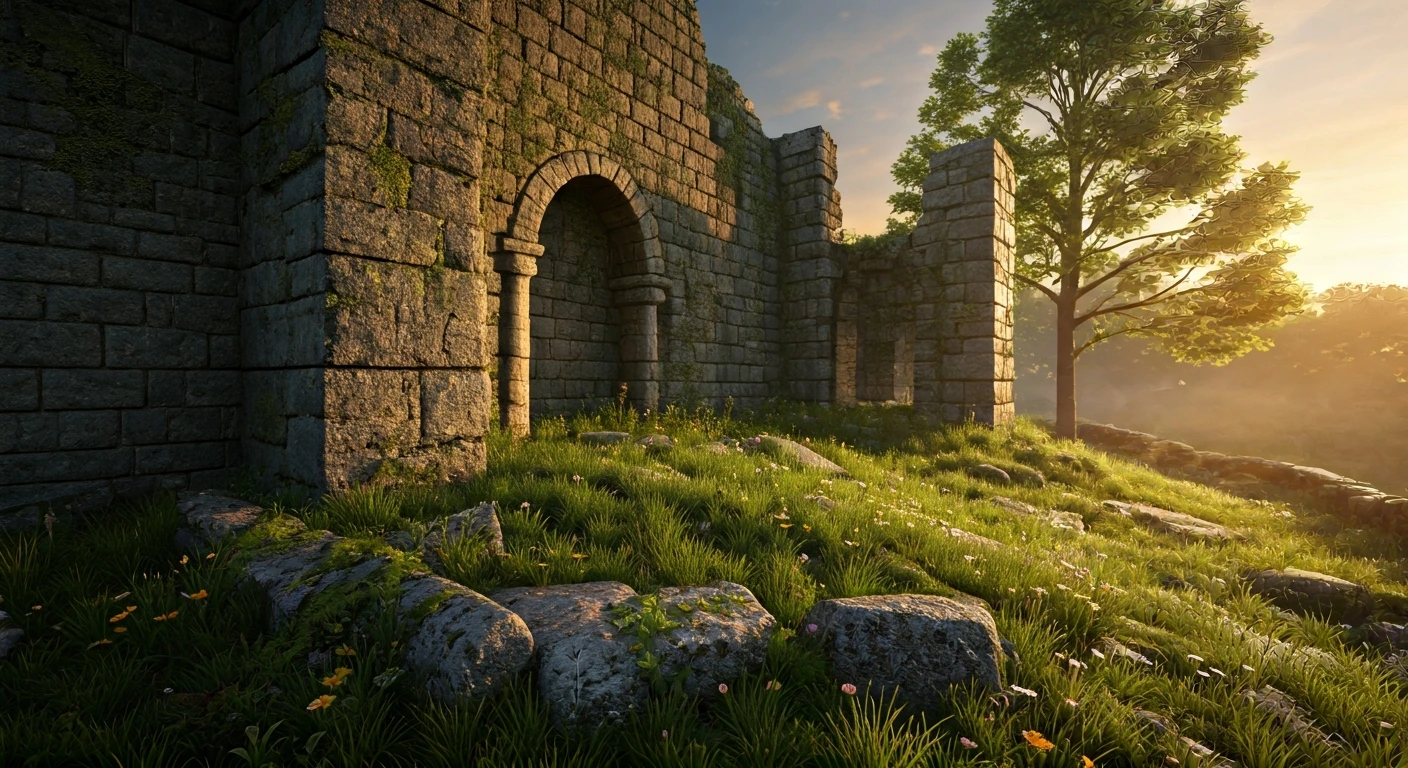
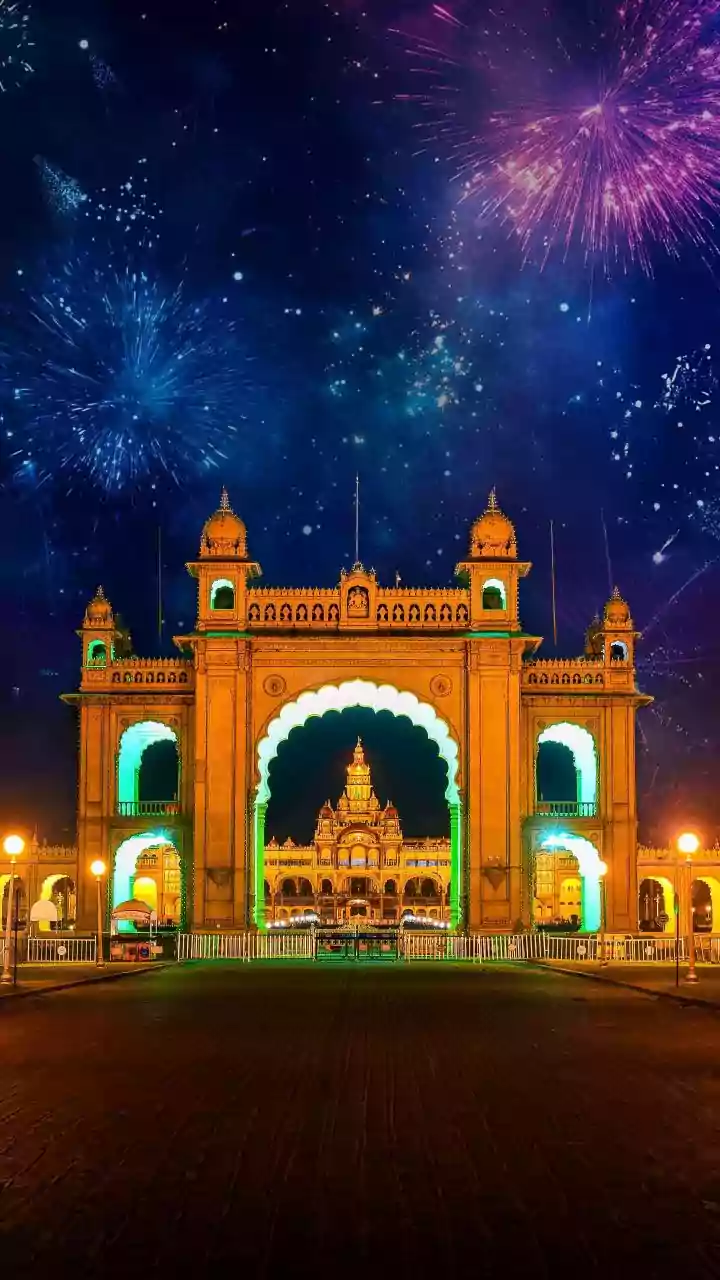
palaces into must-see backdrops. This isn't inherently a bad thing. A beautiful image can spark curiosity, inspire someone to visit a place they'd never considered, and even play a role in promoting tourism to lesser-known sites. The desire to document our experiences at places like Hampi or the hill forts of Rajasthan is natural. The problem arises when the photo becomes the destination, and the experience itself becomes secondary to the image it produces.
When the Backdrop Becomes the Main Event
When thousands of people flock to the same spot to replicate the same viral photo, it creates a host of issues. Overtourism, fueled by the “Instagram effect,” puts immense strain on fragile sites. Pathways erode, delicate carvings are worn down by touch, and the quiet reverence of a sacred place is shattered by the clamour for the perfect selfie. This superficial engagement often means we return home with a memory card full of pictures but few actual memories. A photo can show what a place looks like, but it can’t capture the scent of incense in a centuries-old temple, the echo of history in an empty hall, or the story shared by a local guide. When we prioritise the shot, we risk reducing a place of profound cultural and historical significance to a two-dimensional set piece. The authenticity of the site diminishes, and the visitor's experience becomes shallow.
Embracing the Soul of a Place
So, what is the 'more' that heritage travel needs? It's the pursuit of connection and understanding. It’s about shifting our mindset from “What can I see here?” to “What can I learn here?” This is the core of meaningful cultural tourism. It involves immersing yourself in the context of a place. This could mean learning about the dynasty that built the fort, understanding the religious significance of the temple's carvings, or simply taking the time to observe the daily life happening around a monument. This approach, often called “slow travel,” encourages a deeper, more rewarding engagement with a destination. It’s about building genuine connections with the local culture, people, and history, creating memories that last far longer than a fleeting social media post.
A Guide to More Meaningful Heritage Travel
Making your heritage travel more meaningful doesn’t require a complete overhaul of your plans, just a few intentional shifts. Start before you even leave home by reading about the history of the site you're visiting. Once there, consider hiring a licensed local guide; their stories can bring stones to life in a way no plaque can. Put your phone away for a dedicated period and simply sit, look, and listen. Engage your other senses. What does the air feel like? What can you hear? Support local economies by buying crafts from artisans or eating at family-run establishments near the site. By consciously choosing to engage more deeply, you move from being a passive consumer of a view to an active participant in a cultural experience. This enriches your own journey and fosters a more respectful and sustainable form of tourism.
A Shared Responsibility for Our Heritage
Ultimately, the responsibility for fostering more meaningful heritage travel doesn't rest solely on tourists. Site managers, tourism boards, and policymakers play a crucial role. This includes implementing strategies to manage visitor flow, prevent overcrowding, and protect fragile structures from the impacts of overtourism. It also means creating more compelling interpretive materials and experiences that go beyond basic facts, encouraging visitors to connect with the deeper stories of a place. By promoting sustainable tourism models, authorities can ensure that these invaluable sites are preserved for future generations while providing authentic and enriching experiences for visitors today. The goal is to find a balance where tourism supports conservation, and visitors leave with both a beautiful photo and a profound appreciation for the heritage it represents.