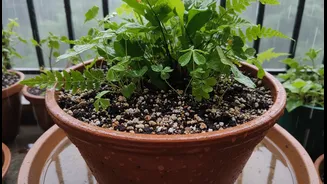



The Problem with Garden Soil in Pots
Scooping soil from your garden bed into a pot seems like the most natural thing to do, but it's often the first misstep. Garden soil is a complex mix of clay, sand, silt, and organic matter. In the open ground, this structure works beautifully. Earthworms
and microorganisms constantly aerate it, and excess water has endless space to drain away. When you confine that same soil to a pot, it behaves very differently. The fine particles, especially clay, tend to compact over time with each watering. This dense, heavy medium makes it difficult for roots to grow and can become a solid block, especially when exposed to the relentless downpours of the monsoon.
The Science of Root Suffocation
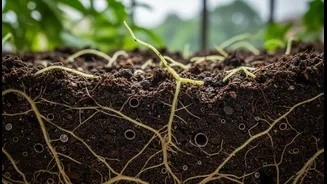
Plant roots need oxygen to survive just as much as they need water. In healthy, well-aerated soil, there are countless tiny air pockets between soil particles. When you water the plant, water coats the particles and fills some pockets, while others remain filled with air. Roots absorb oxygen from these air-filled spaces. During sustained monsoon rains, a heavy, compacted soil becomes completely saturated. Water fills every single air pocket, pushing out all the oxygen. This creates an anaerobic (oxygen-free) environment. Deprived of oxygen, the roots can no longer perform their essential functions; they literally begin to suffocate and die.
From Suffocation to Root Rot
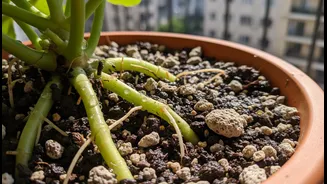
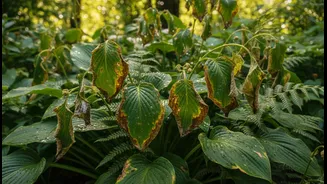
A suffocating root system is a vulnerable one. The waterlogged, oxygen-deprived conditions are a perfect breeding ground for fungi and bacteria that cause root rot. These pathogens attack the weakened, dying roots, turning them dark, mushy, and foul-smelling. Ironically, as the roots rot, they lose their ability to absorb water and nutrients to send up to the plant. This is why a plant suffering from root rot often looks wilted and thirsty, even though its soil is soaking wet. The yellowing leaves and drooping stems are the plant's cry for help from below the surface.
The Heroes: Drainage Enhancers
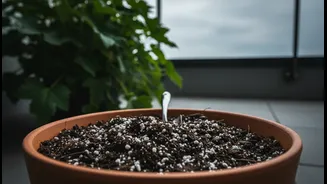
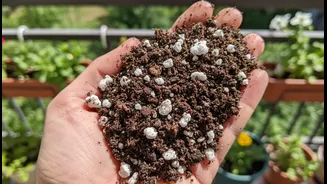
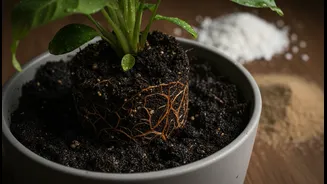
This is where drainage enhancers come in. These materials are blended into potting soil to create a lighter, airier structure that resists compaction and ensures air pockets remain even when the soil is wet. The most common enhancers are Perlite, a lightweight volcanic rock that looks like small white foam balls. It provides excellent aeration and drainage. Coco coir, a fibrous material from coconut husks, improves aeration while also retaining some moisture, creating a good balance. Coarse sand can also be used to improve drainage, though it adds more weight than perlite. The goal is to break up the dense structure of the soil and create permanent spaces for air and water to move freely.
Creating a Monsoon-Proof Potting Mix
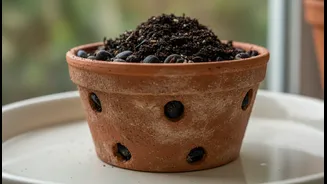
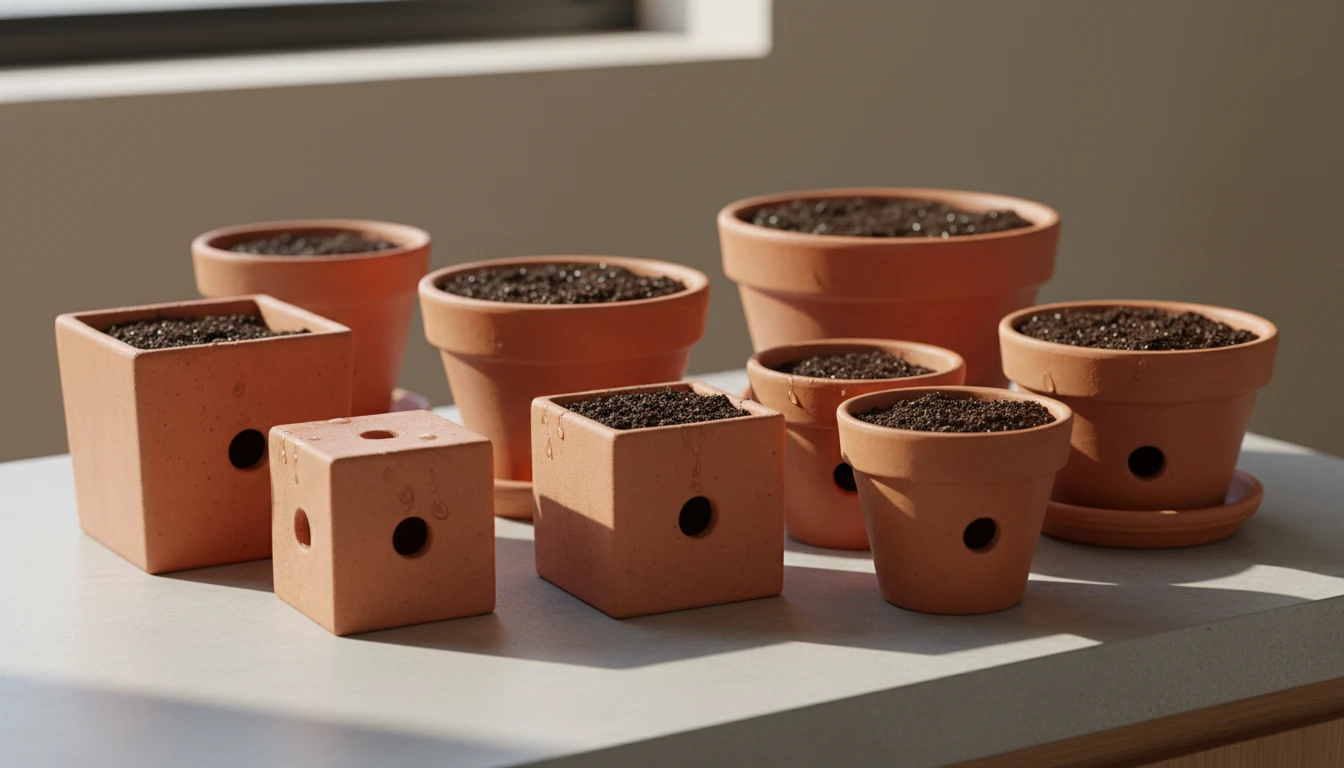
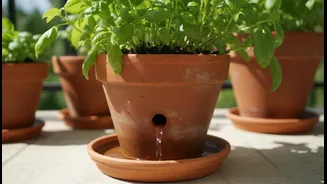
Instead of using 100% garden soil, create a custom blend that can withstand heavy rains. A reliable, all-purpose recipe for many plants is a simple one-to-one-to-one ratio: one part garden soil (or compost), one part coco coir, and one part perlite. For plants that prefer drier conditions, like succulents, you can increase the proportion of perlite or sand. This mixture will feel much lighter and more friable than plain garden soil. It will hold enough moisture for the plant but allow the excess to drain away quickly, ensuring those crucial air pockets remain available for the roots. Also, ensure your pots have adequate drainage holes and are raised slightly off the ground with pot feet to prevent water from backing up.