






Waterproof vs. Water-Resistant: Know the Difference
The terms are often used interchangeably, but they mean very different things for your bag's performance. Water-resistant bags can handle light splashes or brief, light rain, but will eventually let moisture seep in. [4, 7] They are often made of tightly
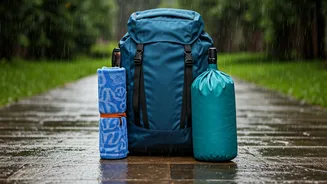
woven fabrics like nylon or have a special coating. [5, 7, 17] For the unpredictable and heavy downpours of the Indian monsoon, a truly waterproof bag is a much safer bet. [12] A waterproof bag is designed to prevent any water from getting in, even during heavy rainfall. [4, 6] This level of protection comes from both the material itself and the construction, including sealed seams and watertight zippers. [4, 6, 12]
The Best Materials for Monsoon Mayhem
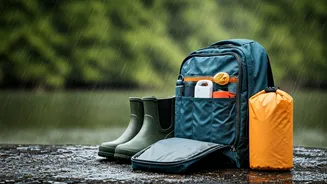
When choosing a monsoon-proof bag, the material is the most critical factor. Steer clear of genuine leather, which can stain, lose its shape, and develop fungus in high humidity. [3, 20] Instead, opt for durable, waterproof, or highly water-resistant synthetic materials. PVC (polyvinyl chloride) and TPU (thermoplastic polyurethane) are excellent choices, often used in heavy-duty dry bags for their ability to completely block water. [15, 18, 19] Nylon and polyester are also fantastic options, especially when they have a waterproof coating (like a PU or TPU coating) or are part of a laminated fabric. [3, 13, 15, 18] These materials are lightweight, quick to dry, and easy to clean, making them practical for daily use. [3, 21]
It's All in the Details: Zippers, Seams, and Style
A waterproof fabric won't do you much good if water can sneak in through weak points. The zippers and seams are often the culprits. [13] Look for bags with rubberised, waterproof zippers or storm flaps—an extra piece of fabric that covers the zipper track for added protection. [12, 13] The most secure bags feature welded or taped seams, which don't have the needle holes that traditional stitching leaves behind for water to penetrate. [6, 10, 12] Beyond construction, consider a style that suits your commute. A crossbody sling bag keeps your hands free for an umbrella, while a backpack is great for distributing weight, but ensure it has padded straps for comfort. [3, 14]
Combatting Humidity: Care and Storage
The battle isn't over once you're indoors. High humidity is the perfect breeding ground for mould and that dreaded musty smell. If your bag gets wet, blot it with a dry cloth immediately and let it air dry completely, away from direct heat. [2, 8] To keep the inside dry and fresh, place silica gel packets or a charcoal moisture absorber inside. [2, 11, 22] When you're not using your bag, store it in a cool, dry place inside a breathable dust bag or cotton pillowcase, not a plastic one which can trap moisture. [2, 11] Regularly checking for any signs of mould and wiping your bag down can keep it in great condition throughout the season. [8, 20]