



Understanding an 'Exposure': Why Afternoon Sun Is Different
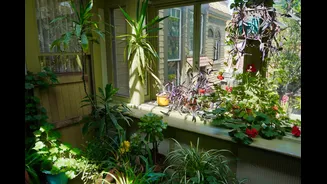
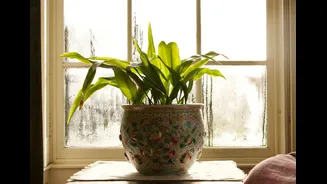
Not all light is created equal. While an east-facing window provides gentle morning sun, a south or west-facing window receives the most intense light of the day, especially in the afternoon. This light is not only brighter but also hotter, which can
be a double-edged sword for your green companions. For sun-loving plants, this exposure is paradise. But for many popular tropical houseplants, which naturally grow under a forest canopy, this direct blast can be overwhelming. The intense UV rays can break down chlorophyll, the pigment that makes leaves green, leading to damage. The heat also accelerates water loss from both the soil and the leaves, a process known as transpiration, putting the plant under significant stress.
Spotting the Signs of Sun Stress
Your plants will tell you when they are getting too much sun, often before permanent damage occurs. One of the first signs is wilting, even when the soil is moist. This happens because the leaves are losing water faster than the roots can absorb it. You might also notice the leaves looking 'washed out' or turning pale yellow or white; this is called bleaching and is a direct result of chlorophyll breakdown. In some cases, leaves might develop reddish or purplish tints as a protective response. If the stress continues, you'll see irreversible signs of sunburn: dry, crispy, papery patches that are white, tan, or brown. Some plants may also curl their leaves inward to reduce the surface area exposed to the harsh light.
Simple Strategies for Sun Protection
If you notice signs of stress, you don't have to completely relocate your plant. A few simple adjustments can make a big difference. One of the easiest methods is to simply move the plant a few feet back from the window. This reduces the intensity of the light without sacrificing brightness. Another effective strategy is to filter the light. A sheer curtain can diffuse the harshest rays while still allowing plenty of light to pass through. Also, consider your watering routine. Plants in hot, sunny windows dry out much faster, so you'll need to check the soil more frequently. Water thoroughly when the top inch or two of soil feels dry, and ensure your pots have good drainage to prevent root rot from standing water. Finally, rotating your plants weekly ensures all sides get even light and prevents one side from getting scorched.
Choosing Plants That Love the Sun
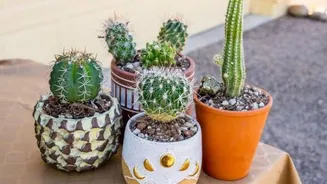
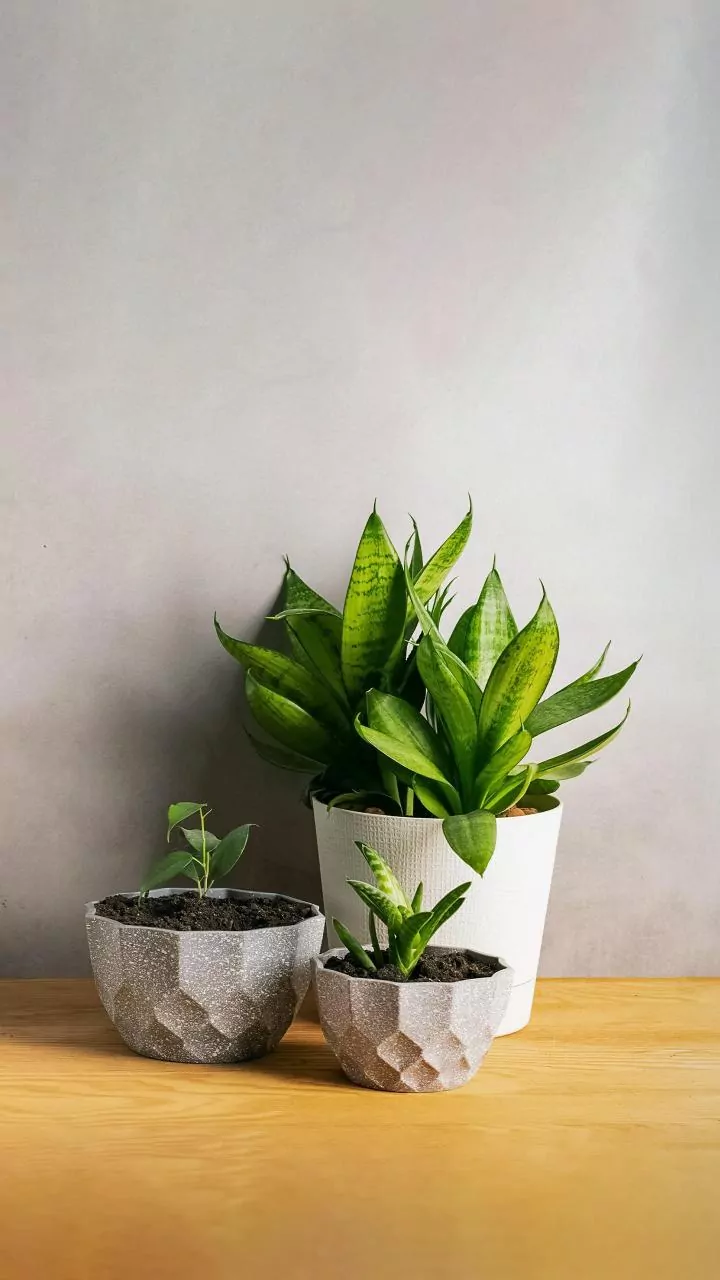
The best long-term solution is to choose plants that are well-suited to high-light conditions. Many succulents and cacti thrive in the direct sun and dry conditions of a south or west-facing window. Popular choices include the Jade Plant (Crassula ovata), various types of Aloe, and spineless Yucca. For something with lush foliage, consider a Snake Plant (Dracaeca trifasciata) or a ZZ Plant (Zamioculcas zamiifolia), both of which are famously resilient and tolerate bright light well. If you're looking for flowering plants, options like Hibiscus, Jasmine, and Croton can flourish in these sunny spots, adding a vibrant splash of colour to your home. Certain palms and the iconic Bird of Paradise also do well right up against a west-facing window.