





Why Humidity is a Game-Changer
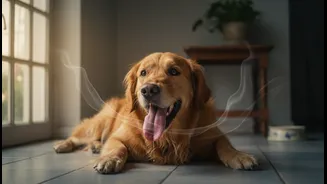
Dogs and cats don't sweat like humans to cool down. They primarily rely on panting, which involves evaporating moisture from their tongues. In high humidity, the air is already saturated with water vapour, making this process highly inefficient. As a result,
a pet can overheat much faster in a humid 35°C than in a dry 40°C. This is the crucial Indian context: our monsoon and coastal climates make our pets exceptionally vulnerable to heatstroke, even indoors where temperatures might seem manageable. When a pet's body temperature rises above 103°F (39.4°C), they are in the danger zone. Heatstroke, a potentially fatal condition, can occur when their temperature exceeds 105°F (40.5°C).
Recognising the Danger Signs
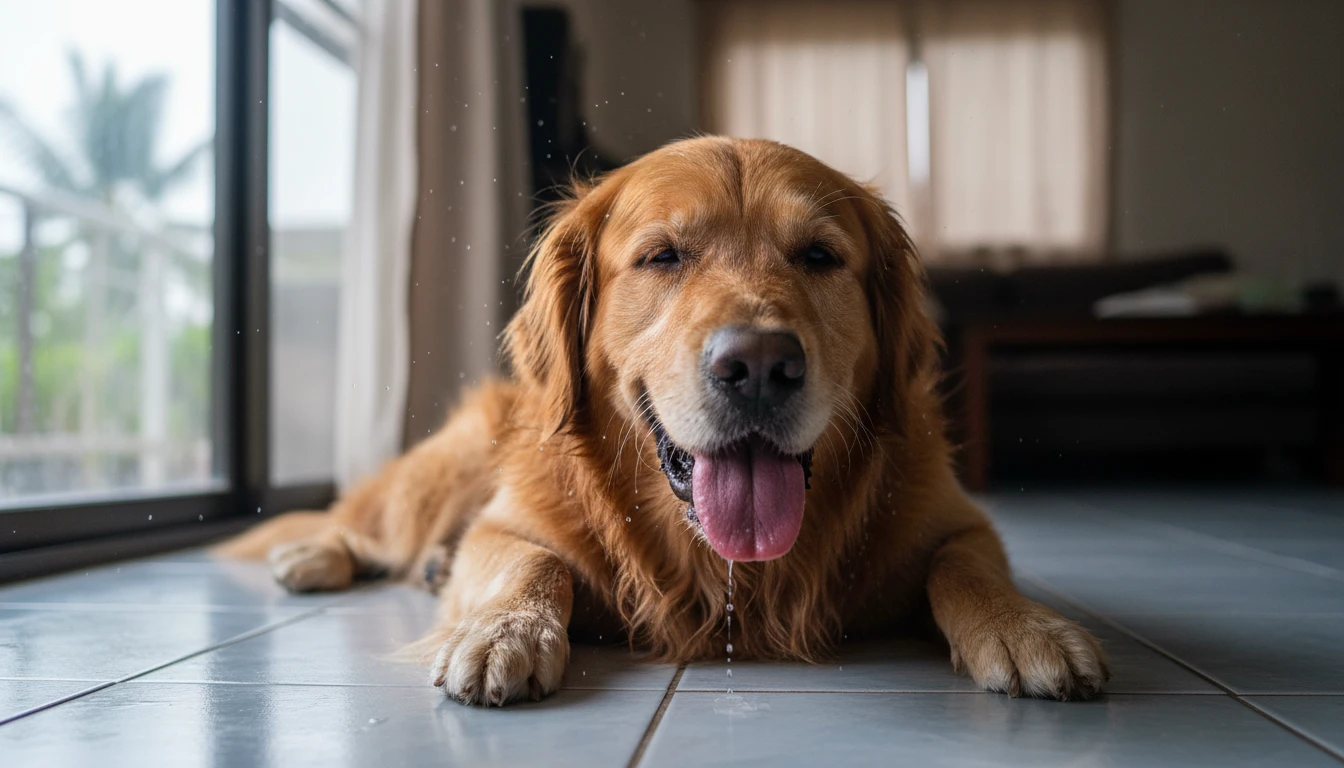
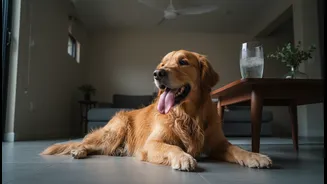
Early detection is critical. Do not wait for a collapse, as that is a sign of severe heatstroke. Initial signs are often subtle and can escalate quickly. Watch for excessive, frantic panting that doesn't stop with rest. Other indicators include thick, sticky drool, bright red gums and tongue, and unusual lethargy or weakness. Your pet might seem disoriented, wobbly, or restless, seeking out cool surfaces like tile floors. Vomiting or diarrhoea can also occur as the body comes under stress. In cats, the signs can be even more subtle, such as open-mouthed breathing or frantic grooming to wet their fur. If you see any of these signs, it's time to take immediate action.
High-Risk Breeds in Indian Homes
While all pets are at risk, some are more susceptible. Brachycephalic, or flat-faced, breeds are at the top of the list. Pugs, Bulldogs, Shih Tzus, and Persian cats have compressed airways that make panting difficult and inefficient. Thick or double-coated breeds bred for cold climates, such as Siberian Huskies, Saint Bernards, and Alaskan Malamutes, also struggle immensely in Indian heat. Their dense fur is designed to trap heat, which becomes a dangerous liability in our summers. Similarly, senior pets, overweight animals, and those with pre-existing heart or respiratory conditions have a reduced ability to regulate their body temperature.
Cooling Your Home: AC vs. Cooler
In India, the choice often comes down to an air conditioner (AC) or an evaporative air cooler. An AC is generally safer and more effective for pets, especially during humid conditions. It reduces both temperature and humidity. Aim for a comfortable temperature between 24°C and 26°C, not an icy blast. An air cooler, on the other hand, works by adding moisture to the air. While effective in dry heat, it becomes inefficient and can even worsen the situation in high humidity, making the air feel muggier and inhibiting your pet's ability to pant effectively. If you use a cooler, ensure there is plenty of ventilation to prevent a build-up of humidity.
Low-Tech Solutions and Power Cut Prep
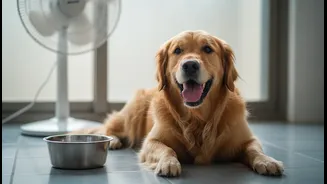
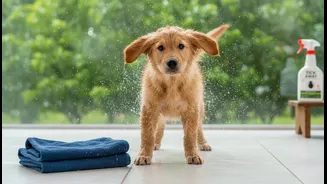
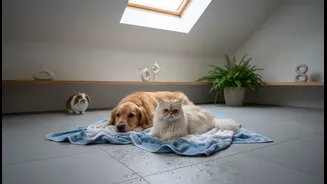
Power cuts are a reality. Having a plan is essential. Always ensure your pet has access to multiple bowls of fresh, cool water; add ice cubes to keep it chilled longer. During the day, keep curtains drawn to block direct sunlight. Encourage your pet to rest on cool surfaces like tile or marble floors. You can place a damp towel on the floor for them to lie on or get a self-cooling gel mat, which absorbs body heat without needing electricity. A frozen water bottle wrapped in a towel can provide a safe, cool object to lie against. A battery-operated fan can also be a lifesaver for maintaining air circulation.
First Aid for Overheating
If you suspect your pet is overheating, move them to the coolest, shadiest area immediately. Do not use ice or ice-cold water, as this can cause blood vessels to constrict and trap heat. Instead, use cool tap water to wet their body, focusing on their paws, stomach, and inner thighs. Point a fan at them to aid evaporative cooling. Offer small amounts of cool water to drink, but do not force it. Crucially, even if your pet seems to recover, you must take them to a vet immediately. Heatstroke can cause delayed organ damage that isn't visible externally.