



Beyond a List of Ingredients
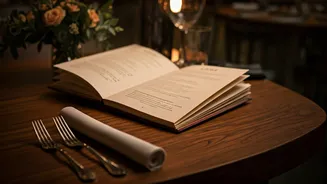
Traditionally, a menu’s job is simple: to tell you what a restaurant serves and how much it costs. But a growing number of chefs and restaurateurs are reimagining this humble document as a storytelling canvas. Instead of just listing "Pan-Seared Salmon,"
a narrative menu might describe the journey of that specific fish from a sustainable farm, weaving in details about the local producers or the chef's inspiration. This trend transforms the menu from a transactional tool into the first chapter of a culinary experience. It sets the stage, building anticipation and creating an emotional connection before the first plate even arrives. By sharing the 'why' behind a dish, restaurants are inviting diners to engage on a much deeper level.
A Direct Line to the Chef's Heart
At its core, culinary storytelling is about human connection. Many chefs are now using menus to share personal histories, turning dishes into edible memoirs. A recipe might be inspired by a cherished family tradition passed down through generations or a transformative journey to a foreign land. For instance, a dish description might begin, "A reimagined version of a childhood favourite, inspired by Sundays at Grandma's table." This approach demystifies the chef, presenting them not just as a culinary expert but as a person with a story to share. By doing so, it makes the dining experience feel more intimate and authentic. Diners are no longer just consuming food; they are partaking in the chef's personal and creative journey.
The Diner as a Participant
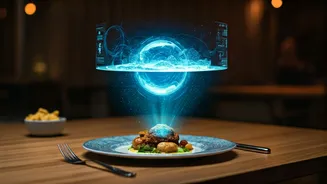
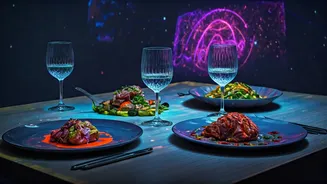
Storytelling doesn't just flow one way. A well-crafted narrative menu engages diners and encourages them to become active participants in the experience. When a menu explains the cultural significance of an unfamiliar ingredient or the meticulous technique behind a preparation, it can spark curiosity and encourage adventurous choices. Some restaurants are taking this even further with interactive elements. This can range from digital menus with videos of the chef explaining a dish to augmented reality experiences that bring the story to life on the table. For example, Le Petit Chef is a dining concept where a tiny animated chef 'cooks' on your plate through 3D projection mapping, with each course telling part of a story. This level of engagement makes the meal more memorable and gives diners a story of their own to share.
Is It a Gimmick or a Genuine Connection?
Of course, there's a fine line between authentic storytelling and a marketing gimmick. The success of a narrative menu depends entirely on its sincerity. When a restaurant's story aligns with its values—such as a genuine commitment to sustainability demonstrated by highlighting local farm partners—it builds trust and strengthens the brand. However, if the stories feel forced or inauthentic, diners will see right through them. The goal isn't to be overly complex or clever; it's about providing context that adds value and meaning. When done well, storytelling doesn't just justify a higher price point; it enhances the perceived value of the entire dining experience by making it feel unique and irreplaceable.