



Anatomy of a Viral Dessert
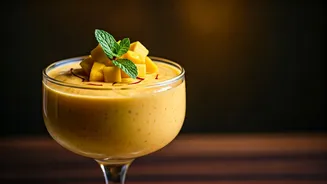
So, what exactly is this dessert that has food influencers and home cooks in a frenzy? At its heart, the Kesar Mango Coconut Pudding is a masterclass in texture and flavour harmony. It’s typically a no-bake, layered creation that is as pleasing to the eye
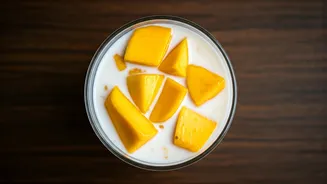
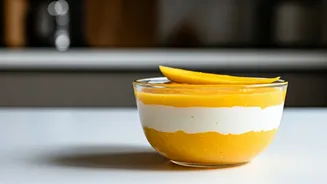
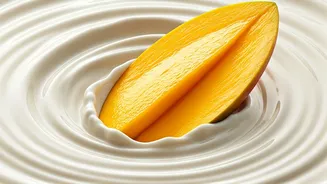
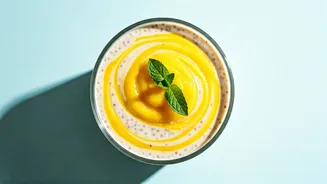
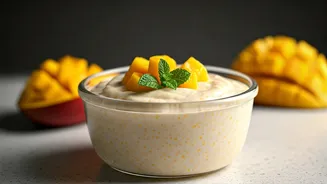
as it is to the palate. The base layer is a creamy, luscious coconut pudding, often set with agar-agar or gelatin to achieve that signature gentle wobble. This layer is subtly sweet, allowing the tropical coconut flavour to shine. Floating atop this pristine white canvas is a vibrant, glistening layer of fresh mango puree, sometimes infused with a hint of saffron (kesar), which adds an earthy, floral complexity and a deeper golden hue. The combination is pure genius: the creamy, mild coconut balances the intense, sweet-tart flavour of the mango, creating a dessert that feels both indulgent and refreshingly light.
The Perfect Storm for Popularity
This pudding didn't just appear out of nowhere; its rise to stardom is the result of a perfect storm of factors. First and foremost is its seasonality. The arrival of mango season in India is a cultural event in itself, and any new, exciting way to celebrate the 'King of Fruits' is destined for attention. Second, it’s incredibly photogenic. The stark contrast between the white coconut base and the bright yellow mango topping makes it a social media dream. In an era where food must look as good as it tastes, this dessert is a guaranteed scroll-stopper on Instagram Reels and TikTok. Finally, its simplicity is a major draw. As a no-bake dessert, it’s accessible to even novice cooks. The straightforward process of making a simple pudding and a fruit puree demystifies gourmet dessert-making, empowering a generation that loves a good DIY project.
Why Gen Z Is Hooked
While people of all ages are enjoying the pudding, it holds a special appeal for Gen Z. This demographic values authenticity, aesthetic appeal, and experiences they can share online. The Kesar Mango Coconut Pudding ticks all these boxes. It uses real, beloved ingredients (mango, coconut) but presents them in a modern, globally-inspired format reminiscent of a panna cotta. This fusion of traditional Indian flavours with a contemporary dessert style resonates with a generation that navigates multiple cultural identities with ease. Furthermore, the trend is largely driven by user-generated content. It’s not a brand or a restaurant pushing a product, but peers sharing their own creations. This organic, community-driven appeal makes the trend feel more authentic and trustworthy, encouraging more people to try it for themselves.
A Modern Twist on Nostalgia
Beyond the visual appeal and ease of preparation, there’s a deeper, emotional layer to this pudding’s popularity. For many Indians, mangoes are intrinsically linked to cherished childhood memories—of summer holidays, family gatherings, and gorging on the fruit until your hands were sticky. This dessert taps into that powerful nostalgia. It takes a familiar, comforting flavour profile and elevates it into something new and elegant. It’s a way of reconnecting with a beloved part of one's heritage while also participating in a current, exciting trend. This blend of old and new is a potent formula, allowing the dessert to feel both comfortingly familiar and excitingly novel at the same time. It’s the taste of summer vacation, but repackaged for a sophisticated, modern palate.
More Than Just a Passing Fad?
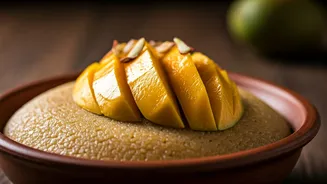
While social media food trends can be notoriously fleeting, the Kesar Mango Coconut Pudding seems to have more staying power. Its popularity is rooted in fundamental culinary principles: balanced flavours, appealing textures, and the use of high-quality, seasonal ingredients. Unlike more gimmicky trends, this one celebrates real food in a thoughtful way. It represents a larger shift in modern Indian dessert culture, moving towards lighter, fruit-forward creations that are less reliant on overwhelming sweetness. As home cooks continue to experiment with variations—adding cardamom, garnishing with toasted nuts, or using different types of mangoes—the dessert is likely to evolve rather than disappear. It’s a testament to the enduring appeal of its core ingredients and a sign of the creative, fusion-friendly future of Indian sweets.