





The Promise of a Digital Dietitian
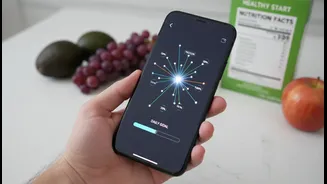
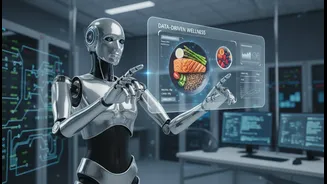
The NIN's proposed AI tool aims to be a one-stop source for nutritional information. By scanning a barcode or searching for a product, users can get an instant breakdown of a packaged food's nutritional profile. The stated goal is to help consumers make
more informed choices, especially as the consumption of pre-packaged foods rises, contributing to an increase in non-communicable diseases like diabetes and hypertension. The NIN has even partnered with a startup that developed the 'TruthIn' app, which has already indexed thousands of products, to build a scientific database. This database is intended to empower consumers, support policy-making, and even help manufacturers create healthier products.
The Challenge: A Plate Full of Diversity
Here's the first major reality check: there is no single 'Indian diet'. The country's culinary landscape is vast and incredibly diverse, with dietary patterns and cooking methods changing every few hundred kilometres. What constitutes a healthy, balanced meal in Punjab is vastly different from one in Kerala or Nagaland. India is currently facing a triple threat of malnutrition: undernutrition, overnutrition, and widespread micronutrient deficiencies. More than 75% of Indians cannot afford a truly healthy and diverse diet. An AI tool focused primarily on packaged foods, which are often unaffordable or inaccessible to a large portion of the population, risks overlooking the foundational issues of food security, affordability, and the importance of traditional, non-packaged foods.
Can AI Truly Understand Nutrition?
The second issue lies with the technology itself. AI chatbots are not thinking beings; they are complex pattern-matching systems. Studies have consistently shown that when it comes to health advice, AI can be inaccurate, incomplete, and even misleading. One study found that nearly half of AI-generated responses to health queries were problematic, while another noted that AI struggles with the step-by-step reasoning that is crucial for safe medical advice. AI models can present information with a high degree of confidence even when it's wrong, and often struggle to provide accurate citations. When dealing with a subject as nuanced as nutrition, where individual needs vary based on age, health status, activity level, and genetics, a generic AI might do more harm than good by offering one-size-fits-all advice.
The Digital Divide and Equity
Beyond the bot's programming, there's the question of who can even use it. A significant digital divide persists in India, especially between urban and rural areas. As of the last National Family Health Survey, only 37% of rural households had internet access. An app-based solution, no matter how well-designed, is irrelevant to those without a smartphone or reliable, affordable data. This creates a risk of widening health disparities, where tech-savvy urban populations gain access to new health tools while rural and vulnerable communities, who often face the greatest nutritional challenges, are left behind. For technology to be truly transformative in public health, it must be equitable.
From Hype to Helpful: Asking the Right Questions
The goal of improving nutritional literacy is laudable, but a tool is only as good as the context in which it operates. Instead of getting carried away by the hype of AI, we should be asking critical questions. How will this tool account for the immense diversity of Indian regional diets and home-cooked meals? How will it reach those most in need of nutritional guidance, who may lack digital literacy or access? What safeguards will be in place to prevent inaccurate or harmful advice, and who is liable when things go wrong? A partnership involving community panels and local validation could help ensure cultural relevance. The announcement from NIN is a starting point, but the conversation must now shift from what the technology can do, to how it can serve the complex reality of nutrition in India.