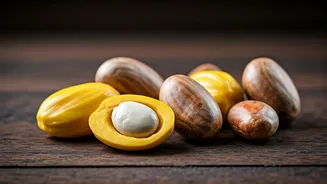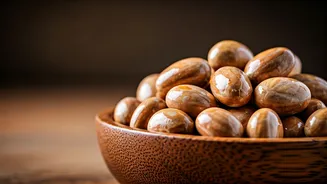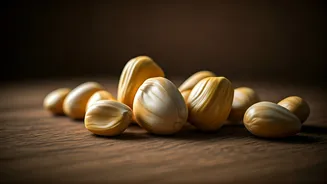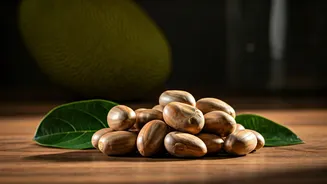



A Nutritional Powerhouse in Disguise
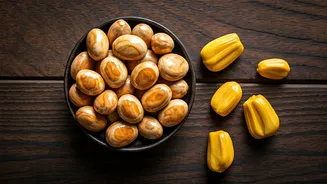
Often overlooked, jackfruit seeds are packed with surprising health benefits. They are a rich source of carbohydrates, protein, and essential minerals like magnesium, iron, and potassium. They also contain significant amounts of B vitamins such as thiamine
and riboflavin, which help your body convert food into energy. Furthermore, the seeds are loaded with fibre and resistant starch, which can aid digestion, help regulate blood sugar, and promote the growth of beneficial gut bacteria. While the flesh of the jackfruit is famous, its seeds quietly offer a more concentrated dose of certain nutrients, making them a worthy addition to a balanced diet.
The Golden Rule: Always Cook Them
There is one non-negotiable rule when it comes to jackfruit seeds: they must be cooked. Raw seeds contain antinutrients, such as tannins and trypsin inhibitors, which can interfere with nutrient absorption and digestion. Eating them raw can lead to gastrointestinal discomfort. The good news is that heat completely deactivates these compounds, making the seeds safe and delicious. Whether you boil, roast, or pressure cook them, this crucial step transforms them from a potential problem into a culinary delight. The process is simple and unlocks their full potential.
Your New Favourite Snack
The simplest way to enjoy jackfruit seeds is as a snack. Once cooked, their texture becomes soft and starchy, often compared to a potato or a roasted chestnut. For an easy preparation, boil the seeds for 20-30 minutes until they are tender enough to be pierced with a fork. After they cool slightly, the outer white peel comes off easily, though the thin, brown inner skin is edible. Toss the peeled seeds with a bit of salt and enjoy them warm. For a crispier treat, you can pan-roast or oven-roast them. Spread boiled seeds on a baking sheet and bake at 200°C (400°F) for about 20 minutes until they are toasted and slightly browned.
The Star of Savoury Dishes
Jackfruit seeds are incredibly versatile and can be seamlessly integrated into many Indian dishes. Their mild, nutty flavour and starchy texture make them an excellent addition to curries, stir-fries, and sambars. In many South Indian households, a 'palakottai poriyal' or jackfruit seed stir-fry is a common preparation. After boiling and peeling, the seeds can be chopped and sautéed with onions, garlic, and spices. They absorb flavours beautifully, making them a hearty, protein-rich component in vegetarian and vegan cooking. Think of them as a substitute for potatoes or lentils in your favourite curry recipe; they add body, texture, and a unique nutritional boost.
Beyond the Curry: Modern Uses
The culinary journey of the jackfruit seed doesn't end with curries. Once boiled, the seeds can be mashed and used as a base for a creamy, nutrient-dense hummus, offering a creative alternative to chickpeas. Another growing trend is the use of jackfruit seed flour. The seeds can be dried and ground into a fine powder that serves as a gluten-free thickener for soups and stews or as an ingredient in baking. This zero-waste approach not only adds a new dimension to your cooking but also aligns with sustainable kitchen practices, ensuring that every part of this magnificent fruit is put to good use.