







More Than Just Code
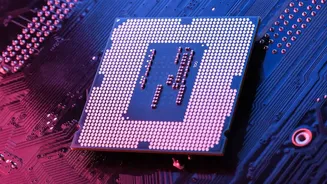
When we talk about artificial intelligence, we often picture sophisticated software and algorithms. But for AI to function, especially at a large scale, it requires immense physical and digital infrastructure. This includes powerful data centers packed
with specialized chips known as Graphics Processing Units (GPUs), massive cloud computing platforms, and the foundational large language models (LLMs) that power generative AI. Until recently, Indian startups had to rely heavily on expensive, overseas infrastructure, creating a major barrier to innovation. That landscape is now changing dramatically.
India's Infrastructure Build-Out
A massive, coordinated push from both the public and private sectors is underway to build a domestic AI ecosystem. The Indian government's IndiaAI Mission, approved in March 2024 with an outlay of over ₹10,300 crore, is a cornerstone of this effort. The mission aims to establish a robust AI ecosystem by providing startups and researchers with subsidized access to computing power. As of August 2026, the mission had already supported 237 projects with over 9 million GPU hours. Concurrently, private giants are making colossal investments. Yotta Data Services, in partnership with NVIDIA, is building one of Asia's largest AI superclusters with a planned $2 billion investment in cutting-edge GPUs. This collaboration will not only serve enterprise clients but also dedicate significant capacity to the IndiaAI Mission. Similarly, Reliance Industries is constructing a large-scale AI data center and developing its own AI platform called JioBrain, signaling a serious commitment to building sovereign AI capabilities.
From High Risk to Big Cheques
This local availability of high-performance computing is fundamentally altering the investment calculus for venture capitalists. Building powerful AI models requires enormous computational resources, a prohibitive cost for early-stage companies. With local, more affordable infrastructure, startups can now experiment, build, and scale ambitious AI-native products without needing to first raise tens of millions of dollars just for computing access. This de-risks the entire proposition for investors. They are no longer just betting on an idea; they are backing a team that has a clear, affordable path to developing and deploying a product. The result is a surge in funding. In the first half of 2026 alone, Indian AI startups raised over $1 billion. In fact, funding for AI companies in India saw a 113% rise in the year to September 2026 compared to the same period in 2025.
The New Class of AI Startups
The proof is in the funding rounds. Investors are moving away from startups that merely apply a thin layer of AI and are instead writing bigger cheques for those building foundational technology. In a notable recent deal, Brahma AI secured $150 million in a round led by Multiples Alternate Asset Management. Sarvam AI, which is developing foundation models tailored for Indian languages, raised $234 million in its Series B round in mid-2026. Krutrim, another company building India-centric models, became the country's first AI unicorn on the back of a $50 million raise. These are not small bets on niche applications; they are significant investments in companies creating the core building blocks of India's AI future, a trend made possible by the underlying infrastructure boom.
The Road Ahead
Despite the momentum, challenges remain. India faces fierce global competition for both top AI talent and the limited supply of advanced GPUs. Furthermore, as startups move from building prototypes to deploying commercial products, they face the hurdle of finding paying customers and proving a return on investment. However, the foundational shift is undeniable. By building its own AI infrastructure, India is not just fostering a new generation of startups; it's laying the groundwork for technological sovereignty and positioning itself as a key player in the global AI landscape. The surge in investment is not a fleeting trend but a direct response to the creation of a powerful new economic engine.