







Planning Your Pilgrimage: Timing is Everything
The best time to visit Puri for pleasant weather is between October and February. However, the ultimate experience is the annual Rath Yatra, a nine-day festival. In 2026, the main Rath Yatra procession falls on July 16, with the return journey, or 'Bahuda
Jatra', on July 24. This period sees an overwhelming influx of pilgrims, so if you plan to attend, booking everything months in advance is non-negotiable. Hotel rates along the grand road (Badadanda) can increase more than tenfold, with some three-day packages costing upwards of ₹25,000 to ₹50,000. Arriving a day or two early can help you acclimatise and avoid the last-minute rush. For a less crowded but still vibrant experience, consider visiting during related rituals like Snana Purnima (June 28, 2026) or Suna Besha (July 25, 2026).
Accommodation and Getting Around
Puri offers a wide range of stays, from luxury resorts and beachside hotels to budget-friendly guesthouses and dharamshalas. Booking accommodation well in advance, especially during Rath Yatra, is critical as most hotels are fully booked months prior. For easier access during the festival, consider hotels near the Grand Road, Jagannath Temple, or Puri Beach, but be prepared for high prices. Within the town, auto-rickshaws and cycle rickshaws are common for short distances. During Rath Yatra, many roads are closed to vehicles, so be prepared to walk. Using local transport before road closures begin is a wise strategy.
Temple Darshan and Etiquette
Entry to the Jagannath Temple is restricted to Hindus only. A strict dress code is enforced: traditional attire like sarees, salwar kameez, dhotis, or trousers are required. Devotees in shorts, ripped jeans, skirts, or sleeveless tops will not be allowed inside. Mobile phones, cameras, and leather items like belts and wallets are strictly prohibited; you must leave them outside. For darshan, expect long queues. It's advisable to visit early in the morning (around 5-6 am) when the crowd is smaller. Always follow the queue system and cooperate with temple staff. Pushing or rushing can be dangerous, especially during festivals. Photography inside the temple is strictly forbidden.
Health and Safety Amidst the Crowds
Crowd management is a major concern, particularly during Rath Yatra. To stay safe, avoid stampede-prone zones near the chariots and in narrow lanes. Stick to designated barricaded areas and always be aware of your surroundings and exit routes. Health should be a top priority. The weather can be hot and humid, so stay hydrated by drinking bottled water and carrying ORS. Wear light, breathable cotton clothes and protect yourself from the sun with a hat or scarf. Be cautious with your belongings, as pickpockets can be active in crowded areas. If you feel dizzy or unwell, move to a calmer spot immediately and seek medical help from one of the available first-aid posts. It's also wise to pre-determine a meeting point with your family in case you get separated.
Embracing the Mahaprasad
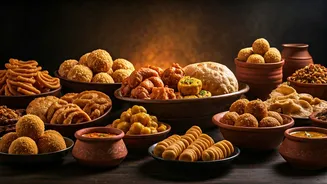
A visit to Puri is incomplete without partaking in the Mahaprasad, the sacred food offering. This can be purchased at the Ananda Bazaar, a bustling marketplace located inside the temple complex. The food, cooked in the temple’s giant kitchen without onions or garlic, is served on leaf plates and is a symbol of spiritual unity. Mahaprasad is typically available after 11:00 AM once the daily offerings to the deities are complete, with many recommending visiting between 2 PM and 5 PM for the freshest and best variety. Carry cash, as digital payments are unlikely to be available inside. While some vendors sell Mahaprasad outside the temple, purchasing it from Ananda Bazaar is recommended for authenticity.