




Understanding the 4 PM Slump
That mid-afternoon craving isn’t just a lack of willpower; it’s biological. By late afternoon, your blood sugar levels can start to dip, especially if your lunch was heavy on carbohydrates but light on protein and fibre. This crash in blood sugar sends
a signal to your brain for a quick energy boost, making sugary or salty processed snacks seem irresistible. Your body’s natural internal clock also contributes, as alertness hormones like cortisol naturally decrease in the afternoon, leaving you feeling sluggish. Unfortunately, the very snacks we crave often lead to another spike and a subsequent, deeper crash, perpetuating a cycle of fatigue and snacking.
The Problem with Processed Snacks
That convenient packet of namkeen or sweet biscuits may solve your immediate craving, but it comes at a cost. Many processed snacks are laden with ingredients that offer little nutritional value. Common culprits include refined flours (maida), high levels of sodium, unhealthy trans fats, and various forms of sugar that provide empty calories. To extend shelf life and enhance flavour, manufacturers often add artificial preservatives, colours, and flavour enhancers like Monosodium Glutamate (MSG). Ingredients like BHA and BHT, synthetic antioxidants used to prevent spoilage in fatty snacks, have raised health concerns with long-term consumption. These foods provide a rapid energy burst but lack the protein and fibre needed to keep you full, leading to hunger pangs shortly after.
The Nutritional Powerhouse in Your Desk Drawer
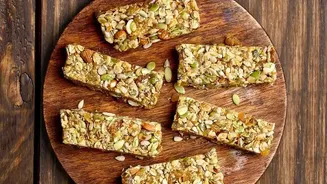
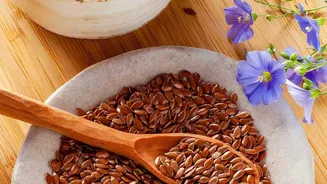
This is where a homemade seed mix shines. Seeds are nutritional powerhouses, packed with fibre, healthy fats, and plant-based protein. This combination provides sustained energy release, preventing the dramatic blood sugar spikes and crashes associated with processed snacks. For instance, pumpkin seeds are rich in magnesium and zinc, which support immune function. Sunflower seeds are an excellent source of vitamin E, an antioxidant that protects your cells. Chia seeds are loaded with fibre and omega-3 fatty acids, which help you feel full and support heart health. And flaxseeds provide a type of omega-3 and lignans, which have antioxidant properties. A small handful of this mix can keep you full and focused for longer.
You Are the Chef: Total Control and Customisation
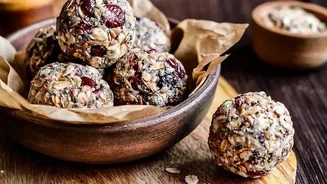
One of the greatest advantages of making your own seed mix is having complete control over the ingredients. You decide what goes in and what stays out. This means no hidden sugars, no excessive salt, and no synthetic additives or preservatives. You can create a mix that is perfectly tailored to your health needs and taste preferences. Want a little sweetness? Add a few raisins or chopped dates. Craving something savoury? A light roast with a pinch of rock salt and cumin works wonders. This level of customisation is impossible with store-bought options, which are made for a mass palate and a long shelf life.
Getting Started: Your First Seed Mix
Creating your own seed mix is incredibly simple. A good starting point is to combine equal parts of your favourite seeds. A classic, energy-boosting combination includes pumpkin seeds, sunflower seeds, chia seeds, and flaxseeds. You can lightly dry-roast the pumpkin and sunflower seeds in a pan for a few minutes to enhance their flavour, but let them cool before mixing with raw seeds like chia. Store your mix in an airtight container to maintain freshness; keeping it in the refrigerator can extend its life for several months. The most important rule is portion control. Seeds are nutrient-dense but also calorie-dense, so a small handful is the perfect amount to satisfy your hunger and reap the benefits without overdoing it.