





Why Professional Photos Can Be Deceptive
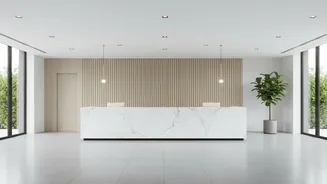
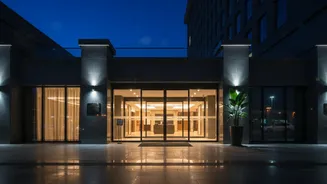
Hotel photos are powerful marketing tools designed to sell an experience. Professional photographers use techniques like wide-angle lenses, which can make a room appear significantly more spacious than it is. Clever lighting, strategic angles, and even
digital editing are used to enhance the appearance of rooms and amenities, presenting them in the best possible light. These images are not lies, but they are a form of marketing that sets an expectation. A hotel might also use photos of its single best room to represent an entire category or feature images that are years old, failing to show current wear and tear. The goal is to create a compelling first impression, but it can lead to a gap between what you see online and what you find upon arrival.
Decoding Vague Room Categories
Hotels often use a hierarchy of names that can be confusingly inconsistent from one property to another. Terms like “Standard,” “Superior,” and “Deluxe” have no universal definition. A “Deluxe” room in one hotel might be smaller than a “Standard” room in another. These labels are primarily used for tiered pricing. Instead of relying on the name, focus on concrete details. Look for the bed configuration (e.g., King, Queen, Twin, Double-Double) to understand the sleeping arrangements. Many booking sites now also list the room's precise size in square feet or square meters. This number is your most reliable indicator of the actual space you will have.
View vs. Front: What's the Difference?
For rooms with a view, the terminology is critical. An “Ocean View” room guarantees you will be able to see the ocean, but it could be a partial or angled glimpse from your window or balcony. In contrast, an “Ocean Front” room directly faces the water with an unobstructed view and is typically in a prime location closer to the shore. This distinction often comes with a significant price difference. The same logic applies to other categories like “Pool View” or “Garden View.” Similarly, “Beachfront” implies direct access to the sand, whereas “Oceanfront” could be on a cliff overlooking the water without a beach. Always read the full description to understand exactly what kind of view you are paying for.
The Power of Recent Guest Photos
One of the best ways to get an unbiased look at a hotel room is to seek out photos taken by recent guests. Websites like TripAdvisor and Google Reviews, as well as social media, are treasure troves of user-generated content. These unpolished, unedited photos show the room in its natural state, complete with normal lighting and everyday clutter. They can reveal the true size of the room, the actual view, and the current condition of the furnishings. Pay attention to photos posted within the last six months for the most accurate picture of the property's present state, as management and upkeep can change over time.
Don't Forget the Details: Room Size and Amenities
As hotels face rising construction costs, some newly built rooms, especially in dense urban centers, are becoming smaller. A room under 200 square feet can feel very compact, similar to a cabin on a cruise ship. The average hotel room in the U.S. is around 300-350 square feet, which provides a more comfortable space. Checking the square footage before you book can prevent the surprise of a tiny room. Also, confirm the specific amenities included with your room type. Don't assume services like breakfast, parking, or Wi-Fi are available or included in the rate without verifying.
When in Doubt, Call the Hotel
If you have specific needs or questions that aren't answered online, the most direct approach is often the best: call the hotel's front desk. You can ask specific questions about a room category, such as whether the room has been recently renovated, its location within the hotel (e.g., away from the elevator or on a higher floor), and the exact nature of its view. This is also a good opportunity to inquire about early check-in, late check-out, or any other special requests. A brief conversation can provide clarity and peace of mind that photos and descriptions alone cannot.