

Protein Goes Mainstream
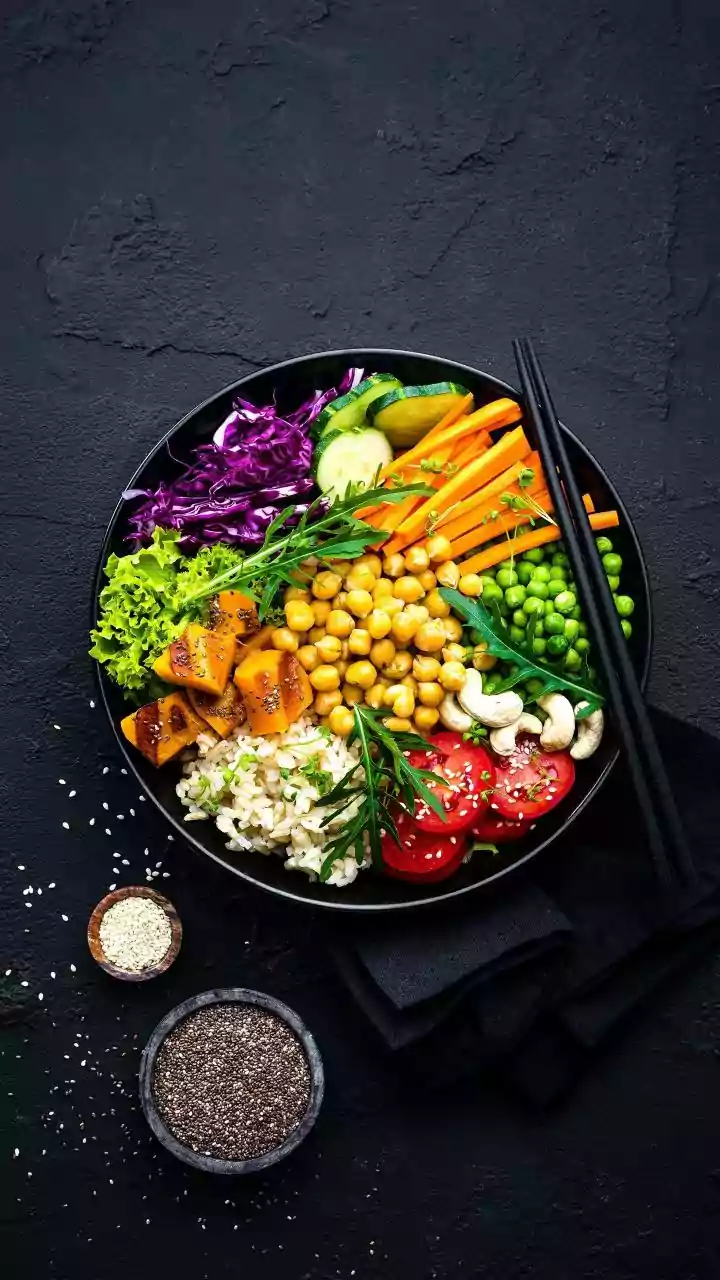
For years, protein was a niche category in India, confined to serious gym-goers and athletes in the form of chalky powders and dense bars. But that image is fading fast. Today, protein has entered the mainstream conversation around general wellness. A
recent report highlighted that a staggering 86% of Indian consumers now consider protein an important factor when choosing a snack. This shift is largely driven by younger, health-conscious millennials and Gen Z, who are more aware of nutritional labels and actively seek functional foods that do more than just satisfy a craving. They are looking for snacks that support their energy levels, keep them full longer, and contribute to their overall health goals. This has created a booming market for protein-enriched products, with nearly a third of consumers willing to pay more for them.
The Irresistible Pull of Familiar Flavours
While the demand for protein is a global trend, its expression in India is unique. Young Indians are not just grabbing any protein bar off the shelf. They are gravitating towards products that speak their culinary language. There is a growing appreciation for authentic, regional flavours and a desire to connect with their culinary heritage. After all, why have a generic chocolate-flavoured bar when you can have a protein-rich snack that tastes of chaat masala, tandoori spices, or cardamom? This preference is about more than just taste; it's about comfort, identity, and trust in ingredients that have been part of Indian kitchens for generations. Brands are noticing that the snacks gaining the most traction are those that successfully fuse modern nutritional science with the timeless appeal of traditional Indian recipes.
Sattu, Makhana, and Paneer Get a Modern Twist
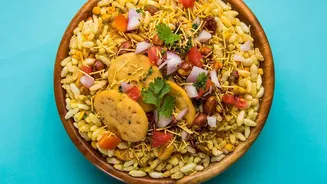
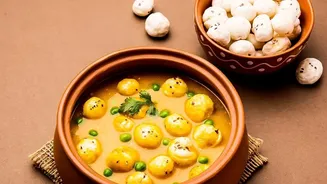
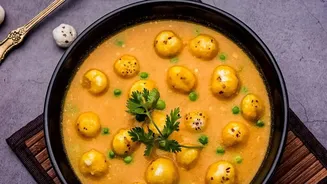
The stars of this new snacking landscape are not imported superfoods, but humble, powerhouse ingredients from India's own pantry. Sattu, a roasted gram flour from Bihar and UP, has been rediscovered as a protein-dense base for everything from refreshing drinks to energy bars, with a single serving providing up to 20 grams of protein. Makhana (fox nuts), once a simple roasted snack, is now available in a variety of flavours and celebrated for being a light, crunchy, and protein-carrying option. Paneer, a long-time vegetarian protein staple, is being creatively used in grab-and-go formats like paneer tikka skewers and high-protein bhurji cups. Other traditional foods like roasted chana, sprouted moong chaat, and snacks made from millets and lentils are also being repackaged as convenient, high-protein options that don't compromise on flavour.
Authenticity in the Age of Instagram
The trend is powered by a generation that is both globally connected and locally rooted. Gen Z and millennials are digitally savvy, constantly discovering new food trends on platforms like Instagram and YouTube. However, they are also increasingly wary of overly processed foods with long, unpronounceable ingredient lists. A recent survey found that 62% of consumers value ingredient transparency above all else when choosing a snack brand, far more than celebrity endorsements. They are looking for 'clean labels' and natural ingredients they recognise, such as jaggery or dates instead of refined sugar. This generation is using technology not just to follow global trends, but to rediscover and reinvent their own food culture, creating fusion dishes like tandoori momos or quinoa chaat that reflect their dual identity. In this context, a protein snack made with traditional ingredients offers the perfect combination of modern health benefits and authentic, trustworthy roots.