

Swap White Rice for Millets
White rice is a beloved staple, but it is often heavily polished, stripping it of essential fibre and nutrients. Millets like jowar (sorghum), bajra (pearl millet), and ragi (finger millet) are fantastic alternatives that have been part of the Indian
diet for centuries. These ancient grains are packed with fibre, protein, and minerals like iron and magnesium. Their lower glycemic index helps in managing blood sugar levels, and their high fibre content keeps you feeling full for longer. Millets are incredibly versatile and can be used to make everything from fluffy upma and hearty khichdi to nutritious rotis, seamlessly replacing rice in many dishes.
Choose Whole Wheat Flour over Refined Flour
The difference between whole wheat atta and refined flour (maida) lies in the processing. Atta is made by grinding the entire wheat grain, including the nutrient-rich bran and germ. Maida, on the other hand, is stripped of these components, leaving behind mostly starch. By choosing whole wheat atta for your daily rotis, parathas, and puris, you are adding significant fibre, B vitamins, and minerals to your diet. This simple switch supports better digestion, provides sustained energy, and contributes to a more satisfying meal. While maida has its place in occasional treats like naan or bhature, making atta your everyday choice is a foundational step towards a healthier kitchen.
Switch Refined Oils for Cold-Pressed Options
The oil you use for your daily tadka and curries can have a big impact on your health. Refined oils are extracted using high heat and chemical solvents, a process that strips away many natural nutrients and antioxidants. Cold-pressed oils, often called 'kachi ghani', are extracted mechanically without high heat, preserving the oil's natural goodness, including vitamins and essential fatty acids. For Indian cooking, cold-pressed mustard, groundnut, or sesame oils are excellent choices as they are more stable at higher temperatures. They also retain their natural flavour and aroma, adding a distinct character to your dishes.
Embrace Jaggery Instead of White Sugar
When it comes to sweeteners, jaggery (gur) is a more nutritious choice than refined white sugar. While sugar offers what many call 'empty calories', jaggery is unrefined and retains minerals like iron, potassium, and magnesium from the sugarcane juice. Because it's a more complex sugar, it is absorbed more slowly by the body, preventing the rapid spikes in blood sugar associated with white sugar. Its rich, molasses-like flavour works beautifully in Indian sweets, morning chai, and even some savoury chutneys. However, it is still a form of sugar, so moderation remains key.
Prioritise Homemade Snacks Over Packaged Versions
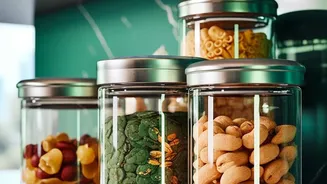
Packaged snacks are often loaded with preservatives, unhealthy fats, and excess salt. A healthier and often more delicious alternative is to prepare snacks at home using wholesome pantry ingredients. Instead of buying fried namkeens, try making a batch of roasted makhana (fox nuts) or chana (chickpeas). You can create your own trail mix with nuts, seeds, and dried fruits for a quick energy boost. Even classics like poha can be made into a light, roasted chivda with minimal oil. By cooking at home, you control the ingredients, ensuring your snacks are as nourishing as they are tasty.