





What Exactly Is Moringa Powder?
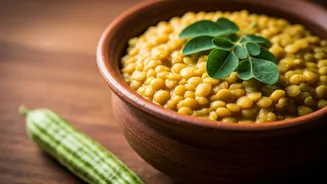
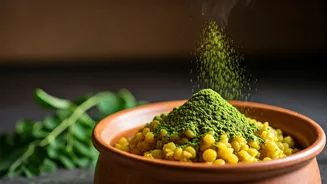
Moringa powder comes from the leaves of the *Moringa oleifera* tree, native to parts of India and Africa. Commonly known as the drumstick tree or 'sahjan', nearly every part of it has been used for centuries in traditional medicine and cooking. The powder is
made by harvesting, drying, and grinding the leaves. This process concentrates their nutritional value, creating a fine, earthy-tasting powder that is packed with vitamins, minerals, and antioxidants. While the drumsticks themselves are a beloved ingredient in sambar and other dishes, the leaves offer a different, more potent form of nourishment that is easy to store and use.
An Iron Powerhouse for Your Plate
The primary reason moringa powder is gaining attention is its remarkable iron content. Gram for gram, dried moringa leaves contain significantly more iron than renowned sources like spinach. This is particularly important in India, where iron-deficiency anaemia is a widespread public health concern, especially among women and children. Iron is essential for producing haemoglobin, the protein in red blood cells that carries oxygen throughout your body. Without enough iron, you can feel constantly tired, weak, and unable to focus. Incorporating a plant-based source like moringa can be an effective dietary strategy to help maintain healthy iron levels and boost overall energy and vitality.
More Than Just Iron
While iron is the star, moringa’s nutritional profile is incredibly deep. It is a complete protein, meaning it contains all nine essential amino acids, which is rare for a plant. It’s also rich in Vitamin C, which is crucial because it helps the body absorb plant-based iron more effectively. Furthermore, moringa is loaded with Vitamin A for vision and immune health, calcium for bone strength, and potassium for blood pressure regulation. Its antioxidant content, including compounds like quercetin and chlorogenic acid, helps fight inflammation and protect cells from damage. This makes it a multi-purpose supplement, not just a single-nutrient fix.
How to Add Moringa to Your Curries
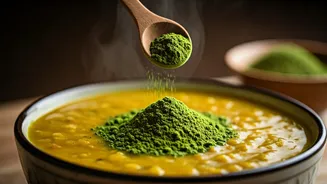
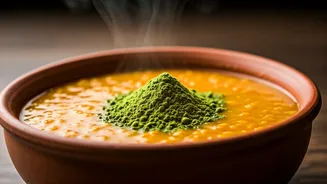
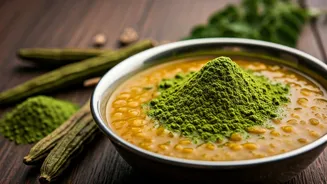
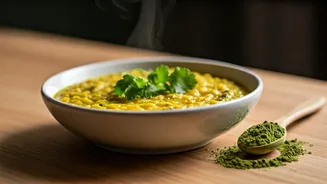
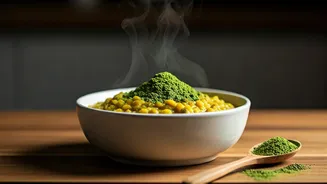
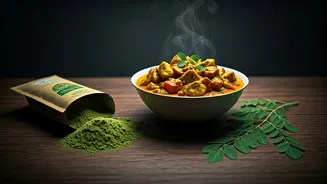
Integrating moringa into your lunch curries is surprisingly simple, but a few tips will ensure you get the best results without compromising taste. The key is to add it at the very end of the cooking process. High heat can degrade some of its delicate nutrients, particularly Vitamin C. Stir in about one teaspoon of moringa powder per serving just before you turn off the heat or even after you’ve taken the curry off the stove. Its earthy, slightly bitter taste, similar to spinach or matcha, pairs best with robust, flavourful curries. Think lentil-based dals, rich coconut curries, or spicy vegetable masalas where its flavour can blend in rather than stand out. Start with a small amount and taste as you go.
Tips for a Perfect Blend
To avoid clumps, you can make a small slurry before adding the powder to your dish. Mix your desired amount of moringa powder with a few tablespoons of water or a bit of the curry sauce in a small bowl until it forms a smooth paste. Then, stir this paste into the main pot. This ensures it distributes evenly. For those sensitive to its unique flavour, begin with just half a teaspoon and gradually increase the amount as you get used to it. The goal is to enhance nutrition without overpowering the authentic taste of your favourite dishes.
Beyond the Curry Pot
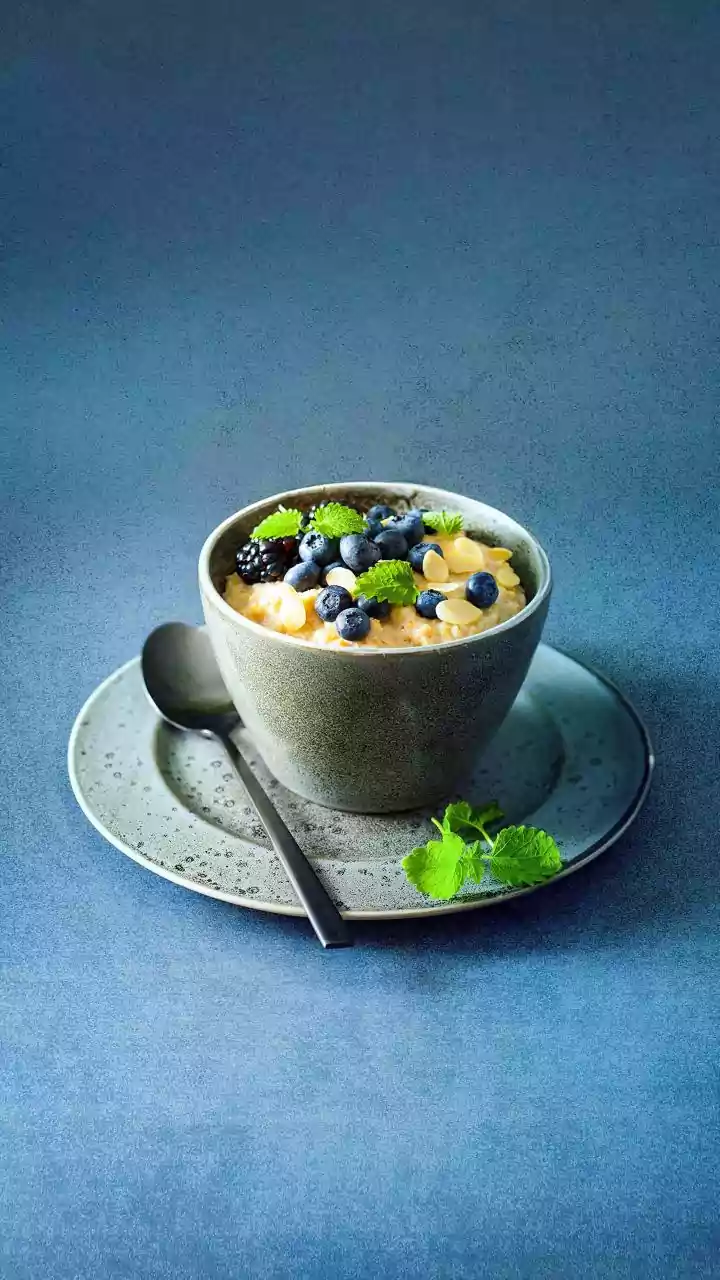
Don’t limit moringa to just curries. Its versatility is one of its greatest strengths. You can easily whisk it into your morning smoothie, sprinkle it over a bowl of yogurt or oatmeal, or mix it into the dough for rotis and parathas to give them a green, nutrient-packed boost. Some people even add it to soups, dips like hummus, or simply mix it with warm water and a squeeze of lemon for a quick morning wellness shot. Experimenting with different foods is the best way to find how you enjoy it most.