






Choose Fabrics That Breathe
One of the biggest culprits in trapping humidity is the wrong choice of fabric. Heavy, dense materials like velvet, thick polyester, or tightly woven synthetic blends can feel luxurious, but they don't allow air to circulate. In a humid environment, these
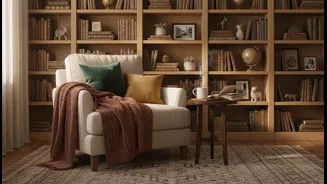
fabrics can absorb and hold moisture, making a room feel stuffy and even leading to musty smells. Instead, opt for natural, breathable textiles. Lightweight cotton, linen, and fabrics like muslin and chambray are excellent choices for curtains, cushion covers, and throws. They allow air to pass through, which helps moisture evaporate and keeps the space feeling fresh and airy. Sheer curtains are particularly effective as they let in natural light while promoting cross-ventilation.
Master a Light and Warm Colour Palette
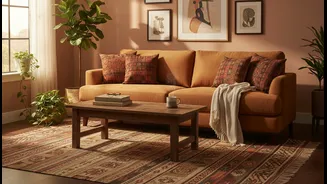
Colour has a profound psychological effect on how we perceive a space. While dark, rich colours are often associated with cosiness, in a small home they can absorb light and make the room feel enclosed and smaller. You can achieve a sense of warmth without the visual weight by using a palette of light, warm tones. Shades like soft ivory, pale terracotta, warm whites, and greige (a mix of grey and beige) reflect light beautifully, creating an expansive and airy feel. These colours provide a warm glow without the claustrophobia of darker shades. If you love bold colours, use them strategically as accents on a single wall, in artwork, or through smaller decor pieces rather than on all four walls.
Layer Your Lighting, Not Your Decor
Good lighting is one of the most effective tools for making a space feel warm and inviting. A single, harsh overhead light can cast unflattering shadows and make a room feel flat. The key is to layer different types of lighting. Use a combination of ambient (overall) lighting from ceiling fixtures, task lighting for specific activities like reading, and accent lighting to highlight artwork or architectural features. Warm white light, around 3000K, is ideal for living rooms and bedrooms as it enhances wooden furniture and creates a relaxing glow. Instead of bulky floor lamps, consider wall sconces or slim pendant lights to save floor space. Using dimmers is another smart trick; they allow you to adjust the intensity and mood, making a single room feel like multiple different spaces.
Select Plants That Regulate Humidity
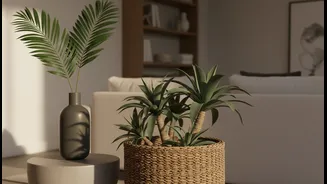
Indoor plants bring life, colour, and a sense of warmth to any room. However, all plants release moisture through a process called transpiration, and some can significantly increase a room's humidity. While plants like ferns love high humidity, they also contribute to it. For a warm but not damp environment, choose plants that are more adapted to drier conditions or are known for their air-purifying qualities without releasing excessive moisture. Snake plants, ZZ plants, and aloe vera are excellent low-maintenance choices that thrive in Indian conditions and don't require a constantly moist environment. If you want lush greenery, consider a peace lily or spider plant, which are good at regulating indoor air. Ensure good air circulation around your plants to prevent any localised dampness.
Use Natural Materials Wisely
Materials like wood, rattan, and terracotta instantly add a layer of warmth and texture to a home. However, in a humid climate, it's crucial to choose the right kind. Untreated wood can warp, swell, or even develop mould when exposed to constant moisture. Opt for properly treated or engineered wood for furniture. Materials like bamboo, cane, and rattan are fantastic alternatives; they are lightweight, durable in humid conditions, and lend a breezy, natural feel to the decor. Similarly, instead of cluttering surfaces with many small objects, focus on a few well-chosen pieces made from natural materials to serve as focal points. This approach keeps the space feeling clean and intentional, adding warmth without the clutter that can trap heat and dust.
Prioritise Ventilation and Airflow
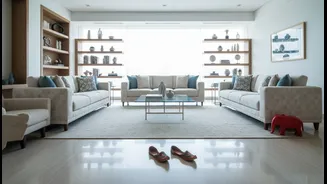
Ultimately, the best way to combat humidity is to ensure good airflow. Decor choices can either help or hinder this. Avoid pushing all your furniture against the walls, as this can block air circulation and create pockets of stagnant, humid air. Choosing furniture with visible legs also helps, as it allows air to move freely underneath and creates an illusion of more space. Keep your home clutter-free, as excessive items can trap moisture and dust. In high-moisture areas like kitchens and bathrooms, using exhaust fans is critical. By combining these decor strategies with practical ventilation, you can successfully create a home that is both a warm, personal sanctuary and a comfortable, breathable space.