




The Magic of Microwaves
A microwave oven is essentially a metal box that uses a device called a magnetron to generate electromagnetic waves—specifically, microwaves. These waves, typically at a frequency of 2.45 gigahertz, flood the inside of the oven. But they don’t heat the food
directly like a conventional oven does. Instead, they target specific molecules within the food itself, kicking off a process that generates heat from the inside out, to a certain extent. Unlike a regular oven that heats food via conduction from the outside in, microwaves use radiation to get the job done.
The Great Water Molecule Dance
The primary target for these microwaves is water. Water molecules (H2O) are what scientists call 'polar', meaning they have a slightly positive end and a slightly negative end, like tiny magnets. The microwave's rapidly flipping electric field tugs on these molecules, causing them to frantically rotate back and forth billions of times per second to align with the field. This frantic spinning and jostling creates friction between the molecules, which in turn generates heat. This process, known as dielectric heating, is why foods with high water content, like vegetables or soups, tend to heat up very quickly, while drier foods may take longer.
The Real Culprit: Standing Waves
So if the oven is full of waves, why isn’t the heating perfectly smooth? Because the waves don't just pass through the food; they bounce off the metal interior of the oven. As these waves reflect and interfere with each other, they create a 'standing wave' pattern. This pattern has areas where the wave energy is very strong (called antinodes) and areas where it is very weak or non-existent (called nodes). These translate directly into hot spots and cold spots inside your microwave. If a part of your food happens to sit in a node, it receives very little energy and stays cold, while a section sitting in an antinode gets blasted with energy and becomes piping hot.
Why Turntables Aren’t a Perfect Fix
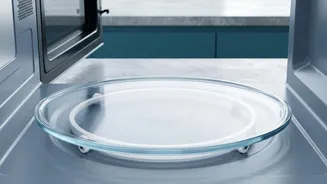
This is precisely why the turntable was invented. By slowly rotating your food, the turntable is designed to move each part of the dish through the various hot and cold spots, averaging out the energy exposure. However, it's not a flawless system. Food in the very centre of the plate moves very little, while the food at the edge travels a greater distance, often leading to hotter edges and a cooler middle. Furthermore, the microwaves can only penetrate so far into dense food—typically only about an inch or so. For thick dishes like a dense curry or lasagna, the centre relies on heat conducting inward from the outer layers, which takes time.
Tips for Perfectly Heated Food
Armed with this knowledge, you can outsmart your microwave. First, avoid placing your food in a lump in the centre. Instead, arrange it in a ring or donut shape on the plate, leaving the middle empty. This exposes more surface area to the heating zones. Second, stir your food halfway through the cooking time. This manually redistributes the hot and cold portions. For drier foods like rice or pasta, adding a splash of water and covering the dish with a microwave-safe lid or a damp paper towel can help create steam, which promotes more even heating. Finally, always let your food rest for a minute or two after the microwave stops. This allows the heat to continue to conduct from the hotter spots to the colder ones, resulting in a more uniform temperature throughout your meal.