







Reliability Becomes the New Luxury
For years, the savvy traveller’s mantra was to hunt for the lowest fare. Today, that is changing. Faced with record-high delay and cancellation rates in recent years, passengers are increasingly prioritising on-time performance over a cheap ticket. According
to industry reports from 2026, travellers are more willing than ever to pay a premium for an airline with a reputation for reliability. The simple calculation is that the money saved on a bargain flight is quickly erased by the cost of a missed connection, an extra hotel night, or a lost day of vacation. This shift puts pressure on airlines that have historically competed on price alone, forcing them to invest in operational stability or risk losing customers who are no longer willing to gamble on their schedule.
The Undisputed Value of a Direct Flight
Connecting flights have long been a source of travel anxiety, but the current climate of disruption has made them a dealbreaker for many. Travellers are now actively seeking and booking direct routes, even when they are significantly more expensive. The logic is straightforward: each layover introduces another potential point of failure. A single delay on the first leg of a journey can create a domino effect, leading to missed connections and chaotic rebooking attempts at a crowded hub airport. For Indian travellers navigating disruptions on international routes due to geopolitical tensions, the appeal of direct flights to destinations in Southeast Asia and elsewhere has surged as a way to minimise unpredictability.
Building the ‘Buffer Day’ Into Travel
A new, cautious approach to travel planning has emerged: the 'buffer day'. Instead of aiming to arrive just in time for a meeting, wedding, or the first day of a cruise, passengers are now flying in a day or even two early. This strategy provides a cushion against unexpected delays and cancellations, ensuring that important events aren't missed. While it provides peace of mind, this trend comes with its own costs, including extra nights of accommodation and additional time away from home. One traveller planning a family vacation to Europe and Russia noted they built in a buffer for unexpected expenses and prepared backup plans, illustrating how travel is now less about a perfect itinerary and more about preparing for change.
Loyalty Is Out, Flexibility Is In
The era of unwavering airline loyalty appears to be waning. While frequent flyer points and status tiers once kept passengers tethered to a single carrier, the persistent struggle with reliability has eroded that bond. Today’s traveller is more pragmatic, often choosing to book with whichever airline offers the most reliable and convenient schedule for a specific trip, regardless of past affiliations. This is further compounded by a rising demand for booking flexibility. Travellers increasingly want the assurance that they can modify their plans if circumstances change. This has also led to a significant increase in the purchase of travel insurance, particularly among Indian travellers, who are opting for comprehensive policies to protect against delays, cancellations, and other disruptions.
Technology as a Coping Mechanism
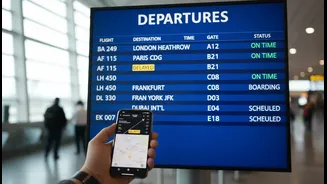
In the face of uncertainty, travellers are turning to technology to regain a sense of control. Airline apps are no longer just for digital boarding passes; they are essential tools for receiving real-time updates and, crucially, for quick self-service rebooking when a flight is cancelled. Savvy passengers use apps like FlightAware to track their inbound aircraft, often spotting a potential delay hours before the airline officially announces it. This proactive monitoring allows them to explore alternative flights and get ahead of the rebooking rush. This reliance on digital tools highlights a shift towards self-sufficiency, where passengers use information to navigate the complexities of modern air travel on their own terms.