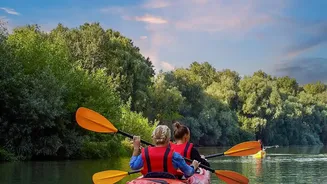







Understanding Meghalaya's Mighty Rivers
Meghalaya, the 'Abode of Clouds', is famed for receiving some of the highest rainfall on the planet. This transforms its rivers into high-volume, powerful systems that attract expert paddlers globally. Rivers like the Kynshi, Umngot, and Kopili feature
rapids that can range from Grade III (intermediate) to Grade V (expert), characterized by large, irregular waves, strong currents, and complex routes. High-volume means more than just speed; it signifies immense power and challenging hydraulic features like whirlpools and stoppers. Paddling here is not for the faint-hearted or the inexperienced. The period just after the monsoon, from September to November, is often considered ideal, as the water levels are still thrillingly high but the weather becomes drier.
Your Pre-Trip Skill and Fitness Checklist
Before you even think about booking a trip, an honest self-assessment is crucial. High-volume kayaking is an advanced discipline. You should be a confident swimmer and have significant prior experience in whitewater, ideally on Grade III+ rapids. Key skills include a reliable combat roll (the ability to right your kayak after flipping without exiting the boat), proficiency in reading river currents, and knowing how to enter and exit eddies effectively. Physical fitness is non-negotiable. You need strong core and upper-body strength to control your kayak in turbulent water and the stamina for long, demanding days on the river. If you are new to the sport, start with a certified kayaking course on less challenging rivers before attempting the giants of Meghalaya.
Essential Gear: Your Lifeline on the Water
In extreme kayaking, your gear is not an accessory; it's critical life-saving equipment. Never cut corners. Your mandatory kit must include: a whitewater-specific helmet, a high-buoyancy Personal Flotation Device (PFD) designed for rescue situations, and a spray skirt to keep your kayak from filling with water. Depending on the season, a wetsuit or drysuit is necessary to prevent hypothermia. Sturdy river shoes with good grip are essential for scouting rapids and potential portages. Your safety kit should contain a throw bag, a river knife, and at least two locking carabiners. Ensure all equipment is in excellent condition and fits you perfectly. Many expert paddlers exploring remote rapids bring their own trusted equipment.
The Golden Rules of River Safety
Once on the water, a strict safety protocol is what separates a thrilling run from a potential disaster. The number one rule is to never paddle alone. Always go with experienced partners or a professional guide. Before tackling a difficult section, get out of your boat and scout it from the bank. This allows you to plan your line and identify hazards. Maintain communication with your group using universal river signals. Understand the 'buddy system'—always be aware of where your fellow kayakers are, especially the person downstream from you. If someone swims (falls out of their kayak), the priority is rescuing the person first, then the equipment. Taking a swiftwater rescue course is highly recommended for anyone serious about the sport.
Choosing Your Guide and Operator
For an adventure of this magnitude, the expertise of your guide is paramount. Do not choose an operator based on price alone. Look for companies with a proven track record and internationally certified guides, such as those with certifications from the International Rafting Federation (IRF) or a recognised national body like INDIKA. A reputable guide will not only know the river inside out but will also enforce strict safety standards, provide high-quality gear, and have a solid emergency action plan. Ask about the guide-to-client ratio, their rescue qualifications, and their experience on the specific rivers you plan to paddle. Their local knowledge can be invaluable, as river conditions can change rapidly.