





How Smog Attacks Your Skin
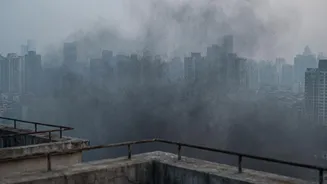
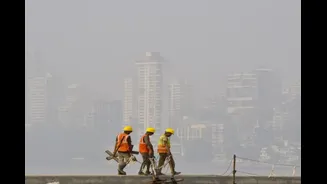
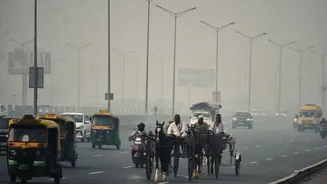
Delhi's winter smog is a complex cocktail of harmful pollutants, including fine particulate matter (PM2.5), ozone, nitrogen dioxide, and other toxins. These particles are incredibly small—sometimes up to 30 times smaller than a human hair—allowing them
to settle on your skin and penetrate its outermost layer. This constant exposure triggers a process called oxidative stress, where harmful molecules known as free radicals attack healthy skin cells. This process is a primary driver of inflammation, premature aging, and the breakdown of your skin's crucial defence system.
The Breakdown of the Skin Barrier
Your skin has a natural protective shield called the hydrolipidic film or skin barrier. Its job is to keep moisture in and irritants out. Pollutants, particularly PM2.5, are scientifically shown to weaken this barrier. They do this by degrading essential proteins, like filaggrin, which help bind skin cells together. When this barrier is compromised, it can no longer effectively hold onto moisture. This leads to an increase in 'transepidermal water loss', which is the scientific term for water evaporating from your skin's surface. The result is skin that feels persistently dry, tight, and flaky, no matter how much water you drink.
Beyond Dryness: Other Skin Concerns
While dryness is a major issue, the damage from smog doesn't stop there. A weakened skin barrier and chronic inflammation can lead to a host of other problems. These include an increase in acne and clogged pores, as pollutants can get trapped and mix with sebum. Many people also experience heightened sensitivity, redness, and flare-ups of conditions like eczema and psoriasis. Furthermore, the oxidative stress caused by pollution accelerates the breakdown of collagen, leading to premature signs of aging like fine lines, wrinkles, and dark spots.
Step 1: Cleanse Away the Grime
The most fundamental step in any anti-pollution skincare routine is thorough cleansing. It's crucial to wash away the microscopic particles that accumulate on your face throughout the day. For evening routines, consider a 'double cleanse'. Start with an oil-based cleanser to dissolve makeup, sunscreen, and oil-soluble pollutants. Follow up with a gentle, water-based foaming or cream cleanser to wash everything away without stripping your skin of its natural oils. Avoid harsh scrubs or alcohol-based products, which can further weaken your already stressed skin barrier.
Step 2: Repair and Hydrate the Barrier
Once your skin is clean, the focus shifts to repair and hydration. Your moisturizer becomes more than just a tool for softness; it's a way to actively rebuild your skin's defences. Look for products containing ingredients that strengthen the skin barrier. Ceramides are lipids that are naturally part of your skin barrier and help seal in moisture. Hyaluronic acid is a powerful humectant that draws water into the skin, while niacinamide (Vitamin B3) can help improve barrier function, brighten skin, and reduce inflammation.
Step 3: Defend With Antioxidants and SPF
To fight the free radical damage caused by pollution, you need a team of antioxidants. Applying an antioxidant serum in the morning provides a protective shield that can neutralize pollutants throughout the day. Vitamin C is a well-known powerhouse that not only fights free radicals but also helps brighten the skin. Other effective antioxidants include Vitamin E, ferulic acid, and green tea extract. Finally, don't forget sunscreen. UV radiation combined with pollution creates a synergistic effect, worsening pigmentation and aging. A broad-spectrum SPF is non-negotiable, even on hazy, smoggy days.