





The 10-Minute Promise
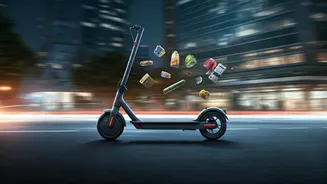
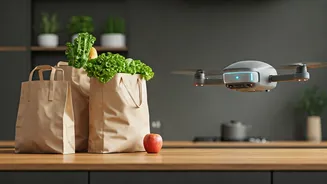
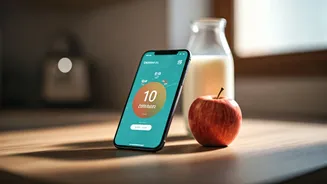
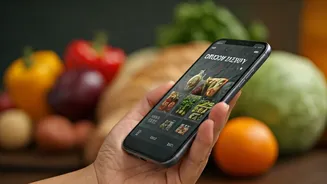
The engine of this change is 'quick commerce', a model that has fundamentally altered consumer expectations. Platforms like Blinkit, Swiggy Instamart, and Zepto have built their empires on the promise of delivering everything from milk and bread to electronics
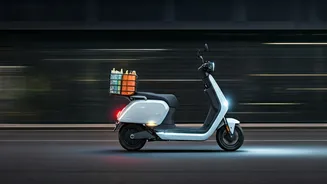
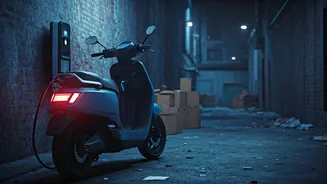
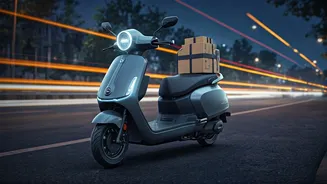
and cosmetics in under 30 minutes, and often as quickly as 10. This unprecedented speed is driven by a network of 'dark stores'—small, strategically located warehouses that serve a limited radius, ensuring that your order is picked, packed, and dispatched in minutes. For time-starved urban consumers juggling long commutes and demanding schedules, the convenience is revolutionary, turning what was once a chore into an on-demand service. In fact, for many, it has shifted from a novelty to a primary mode of shopping.
Clash of the Delivery Titans
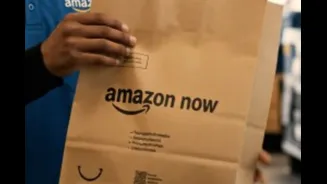
The battle for India's quick commerce crown is fierce and well-funded. Blinkit (backed by Zomato) has emerged as the market leader, commanding a significant share of the market. Hot on its heels are Swiggy's Instamart, which leverages its vast food delivery network, and Zepto, a fast-moving challenger that made its name with its aggressive 10-minute delivery promise. These companies are locked in an intense fight for market share, marked by heavy spending on advertising, deep discounts, and constant innovation to capture customer loyalty. The competition is so heated that in mid-2025, Blinkit's gross order value overtook Zomato's core food delivery business, signalling a massive shift in the digital economy. Even e-commerce giants like Amazon and Flipkart are now aggressively expanding their own quick commerce services to claim a piece of this booming market.
The Kirana Conundrum
This digital disruption has cast a long shadow over India’s ubiquitous kirana stores. For generations, these neighbourhood shops have been the backbone of Indian retail. Now, they face an existential threat from rivals that offer greater convenience and competitive pricing. Reports indicate that a significant number of quick commerce users have reduced their purchases from local stores, with some studies suggesting hundreds of thousands of kiranas have been impacted, especially in metro cities. However, the story isn't entirely one-sided. Many kirana stores are adapting by embracing technology, adopting digital payment systems, and even partnering with hyperlocal delivery platforms to serve their loyal customer base in new ways. The future may lie in a hybrid model where the trust and personal touch of the kirana store are combined with the efficiency of modern technology.
The Real Cost of Convenience
While the growth has been explosive, the path to profitability for quick commerce companies is fraught with challenges. The business model operates on thin margins, especially in the low-margin grocery sector, and is burdened by high operational costs, including maintaining dark stores, managing a vast delivery fleet, and heavy marketing expenditure. Most major players are still operating at a loss, sustained by venture capital. The pressure to deliver at lightning speed also creates logistical complexities and puts a strain on supply chains and the gig-worker economy. The long-term sustainability of the 10-minute delivery model will depend on whether these companies can optimize their operations, increase average order values, and find new revenue streams like advertising to chart a viable path to profit.