


The Anatomy of a Flavour Explosion
To call 'chatpata' merely tangy or spicy is to do it a disservice. It is a complex, masterful balancing act on the palate. The word itself, derived from Hindi, roughly translates to 'lip-smacking' and points to the experience of eating it. The profile
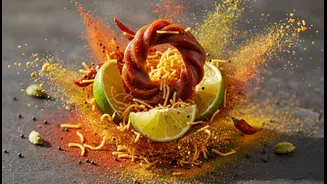
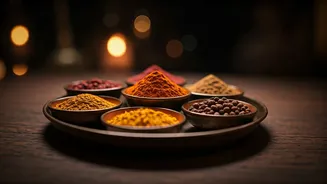
is a symphony of contrasting notes: the sour kick from amchur (dried mango powder) or tamarind, the savoury depth of kala namak (black salt), the sharp heat from green chillies, and a hint of sweetness from jaggery or date chutney. This blend of flavours is designed to awaken all the senses, creating the signature characteristic of chaat, India's beloved category of savoury snacks. It’s a carefully constructed chaos that results in a uniquely satisfying sensation.
From Royal Origins to Street Corners
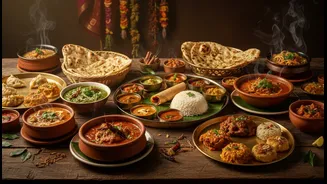
The story of chatpata is intertwined with the history of chaat itself. One popular legend traces its origins to the 17th-century court of Mughal emperor Shah Jahan. Following a cholera outbreak, the royal physician supposedly advised the people of Delhi to counteract the contaminated water of the Yamuna by consuming foods laden with spices and tart ingredients, believing they would kill harmful bacteria. This led to the creation of spicy, flavour-packed dishes that were both delicious and, allegedly, medicinal. From these purported royal beginnings, chaat and its defining chatpata taste migrated to the streets, where vendors perfected regional variations like Mumbai's Bhel Puri, Delhi's Aloo Tikki, and Kolkata's Jhal Muri. This democratisation of flavour turned it into an accessible, nationwide obsession.
The Gourmet Reinvention
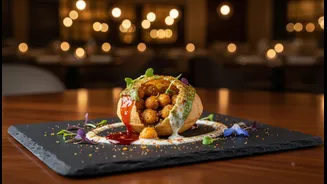
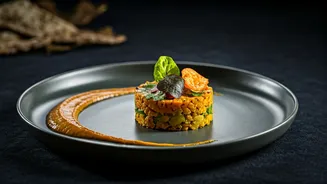
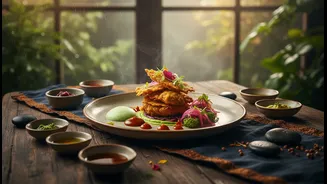
In recent years, chatpata has gracefully leaped from the street cart to the fine dining table. Top chefs are no longer just replicating street food; they are deconstructing and reimagining it, making a statement about the value of Indian culinary heritage. Pioneers like Chef Manish Mehrotra of Indian Accent have transformed humble dishes into gourmet experiences. His take on Daulat ki Chaat, a delicate street dessert from Old Delhi, uses technology to make it available year-round, while his version of golgappa offers guests five different types of flavoured water. Similarly, Chef Hussain Shahzad has been celebrated for creations like a Chilled Sea Bass Sev Puri. These innovations are not about replacing the original but celebrating its core flavours through a modern lens, often sparking a sense of nostalgia for diners.
A Flavour for the Modern Age
The influence of chatpata extends far beyond restaurant menus. According to the Godrej Food Trends Report 2026, Indian consumers and chefs are moving away from culinary minimalism and embracing bold, high-impact 'flavour collisions'. This has fueled the chatpata comeback in home kitchens and the packaged food industry. The flavour profile is now a popular seasoning for everything from potato chips and extruded snacks to instant noodles and ready-to-eat meals. This trend also aligns with a growing interest in healthier snacking options. Health-conscious consumers are turning to savoury, namkeen-inspired snacks like roasted makhana and spiced foxnuts, which deliver that desired chatpata kick without the guilt of deep-fried foods. Fusion dishes are also on the rise, with home cooks adding chaat masala to pasta, fries, and even popcorn.