



Understanding Karat: The Gold Purity Scale
Before diving into the 22K versus 24K debate, it's essential to understand what 'karat' (K) means. Karat is the unit used to measure the purity of gold on a 24-part scale. The higher the karat number, the greater the amount of pure gold in your item.
Pure gold is 24-karat, meaning all 24 parts are gold. Any-thing less than 24K is a gold alloy, where pure gold is mixed with other metals like copper, silver, or zinc to enhance its properties. In India, the Bureau of Indian Standards (BIS) mandates hallmarking for gold jewellery, which certifies its purity. Look for the '916' stamp on 22K gold and '999' on 24K items to ensure authenticity.
24K Gold: The Investor’s Choice
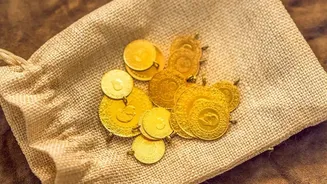
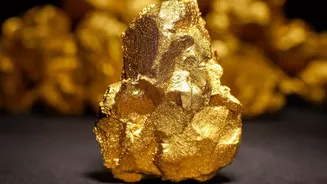
24-karat gold is the purest form you can buy, containing 99.9% gold. This high purity gives it a distinct, bright yellow colour and makes it the most valuable form of gold per gram. However, this purity comes at the cost of durability. 24K gold is extremely soft and malleable, making it prone to scratching, bending, and deforming under pressure. Because of this, it is almost never used for conventional jewellery. Instead, 24K gold is primarily an investment vehicle, sold in the form of gold bars, bullion, and coins. When you buy 24K gold, you are paying for the intrinsic value of the metal itself, with minimal to no making charges, making it the ideal choice for wealth preservation and portfolio diversification.
22K Gold: The Jeweller’s Standard
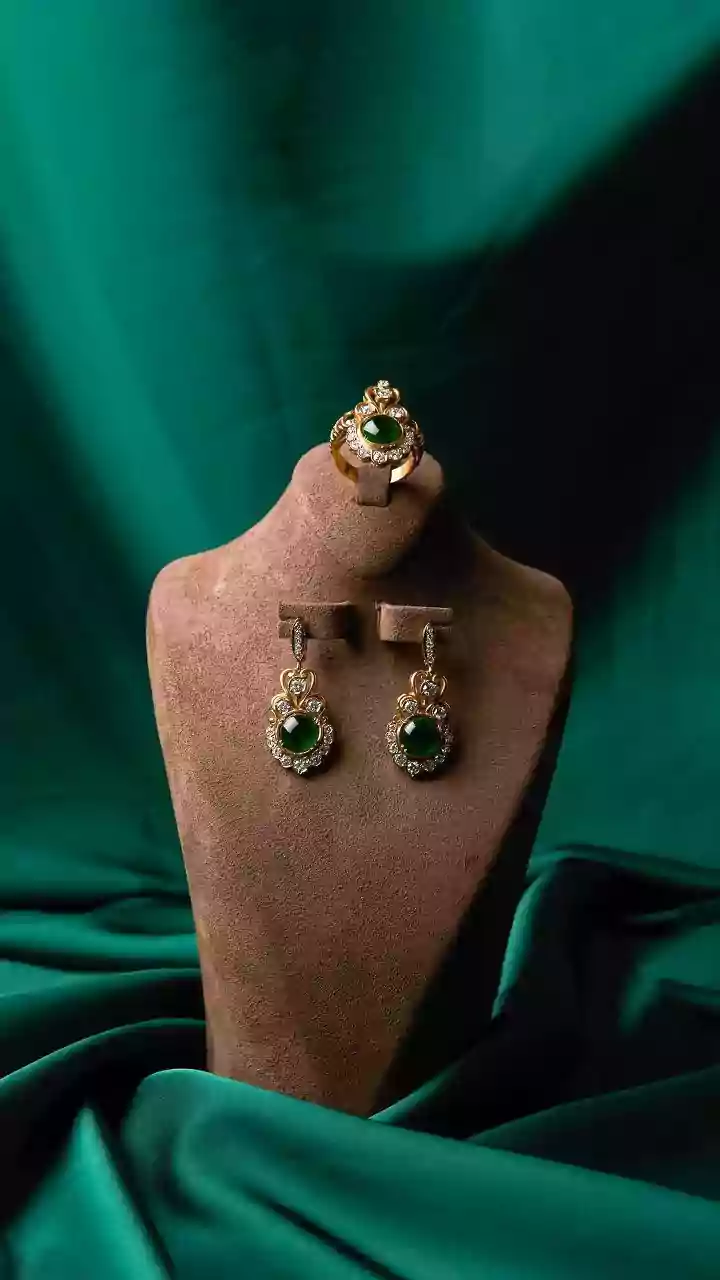
22-karat gold is the traditional choice for gold jewellery in India for a reason. It consists of 22 parts pure gold and 2 parts other metals, making it 91.67% pure. That 8.33% of alloyed metals like copper and silver gives 22K gold significant strength and durability that 24K gold lacks. This hardness allows it to withstand the rigours of daily wear and hold intricate designs, engravings, and gemstones securely. While still possessing a rich golden hue, it is far more practical for creating everything from bangles and necklaces to earrings and rings. This blend of high purity and robustness makes 22K the perfect middle ground for those who want a beautiful, wearable asset.
The Cost Factor: Purity vs. Making Charges
Naturally, 24K gold is more expensive per gram than 22K gold due to its higher gold content. However, the final price of a gold item is not just about the gold's value. When you buy 22K jewellery, a significant portion of the cost comes from 'making charges'. These charges, which can range from 6% to over 25% of the gold's value, cover the craftsmanship, design intricacy, and wastage involved in creating the ornament. In contrast, 24K investment bars and coins have negligible making charges. This is a critical distinction: with 22K jewellery, you pay a premium for artistry, which you may not fully recover upon resale. With 24K gold, your investment is almost entirely in the commodity itself, tracking market rates more directly.
Which Is Right for You?
The choice between 22K and 24K gold boils down to your primary purpose. If you are buying gold purely as a long-term investment to store wealth or diversify your portfolio, 24K gold in the form of coins or bars is the undisputed winner. It offers the highest purity, maximum intrinsic value, and better liquidity without the added cost of craftsmanship. However, if you are looking for an item to wear and cherish—for a wedding, festival, or as a family heirloom—that also serves as a store of value, 22K jewellery is the ideal choice. It provides the perfect balance of durability for everyday wear and high gold content, ensuring it remains a valuable asset. Ultimately, you are choosing between a pure financial instrument and a wearable one.