

The Legacy of Parsi Clubs
Parsi clubs like the Ripon Club and Parsee Gymkhana, established in the late 19th century, are more than just social institutions; they are pillars of the community's culture and heritage. These clubs became sanctuaries where traditions, conversations,
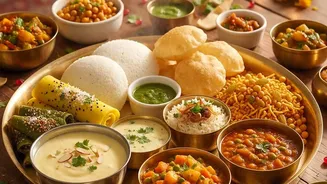
and, most importantly, food, were cherished. The food served in these establishments is legendary, offering a taste of authentic Parsi home cooking, a unique blend of Persian roots and Gujarati influences. While famous for non-vegetarian fare like Dhansak and Patra ni Machhi, their vegetarian offerings are equally spectacular, often created with the same complexity and depth of flavour. It is in these kitchens that simple ingredients are transformed into memorable meals, each dish telling a story of migration, adaptation, and a deep love for food.
Kathal: The Vegetarian's Meat
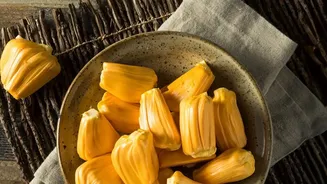
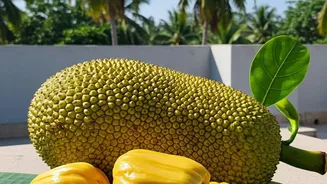
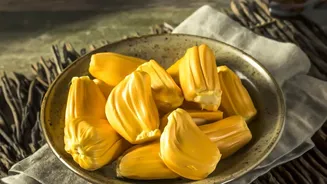
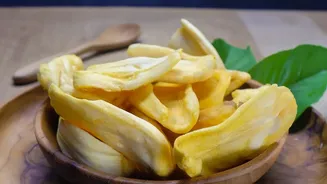
Raw jackfruit, known as Kathal in Hindi, is a marvel of the vegetable world. Its fibrous, stringy texture, when cooked, bears an uncanny resemblance to pulled meat, making it a favourite substitute in vegetarian cooking across India. While Parsi cuisine is predominantly non-vegetarian, vegetables are often creatively incorporated, sometimes with an egg cracked on top ('per eedu') or blended into complex masalas. Kathal, with its ability to absorb rich spices and stand in for mutton or chicken, found a natural home in Parsi kitchens. It is celebrated not just as a substitute but as a star ingredient in its own right, capable of holding its own in a robust, aromatic curry that satisfies even the most devoted carnivore.
The Recipe: Parsi Club Kathal Curry
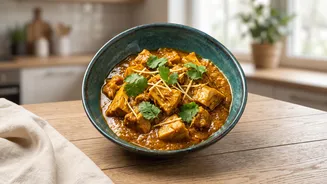
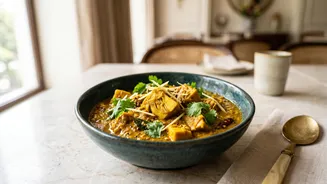
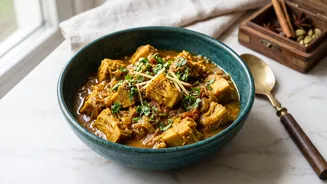
This recipe captures the essence of a club-style Kathal curry, balancing tangy, spicy, and subtly sweet notes. The key lies in a creamy, nutty paste and a blend of whole spices that form the backbone of the gravy. While some recipes call for the iconic Dhansak masala, a complex spice blend with sweet and spicy notes, this version builds its flavour from individual components to create a rich, korma-like dish. Inspired by a recipe found in a Parsi Women's Club cookbook from 1983, this meal brings a piece of heritage to your dining table.
Ingredients You'll Need
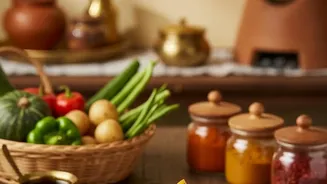
For the Kathal: 500-600g raw jackfruit, peeled and cut into chunks. For the Paste: 50g cashews (or chironji), 1 tbsp poppy seeds, 1.5 cups beaten curd (yoghurt). For the Gravy: 2 tbsp ghee, 2 sticks cinnamon, 4-5 green cardamoms, 4-5 cloves, 2 medium onions (finely chopped), 1 tsp ginger-garlic paste, ½ tsp chilli powder, ¼ tsp turmeric powder. For Finishing: 1 cup water, 2-3 slit green chillies, a handful of fresh coriander (chopped), salt to taste.
Step-by-Step Instructions
First, prepare your ingredients. Grind the cashews and poppy seeds into a fine powder, then blend this with the beaten curd to form a smooth paste. Next, tackle the jackfruit. Heat ghee in a heavy-bottomed pan and fry the kathal pieces until they develop a light golden-brown colour. This step is crucial for texture. Remove the jackfruit and set it aside. In the same pan, add the whole spices: cinnamon, cardamom, and cloves. Once they start to sizzle and release their aroma, add the chopped onions. Sauté until they turn a deep golden brown, then add the ginger-garlic paste and cook for another minute. Add the powdered spices—chilli and turmeric—and stir well. Return the fried kathal pieces to the pan, add about a cup of water and salt, then cover and simmer until the jackfruit is completely tender, which could take 20-30 minutes. Once tender, lower the heat and stir in the curd and nut paste. Cook for a few more minutes, allowing the gravy to thicken and coat the jackfruit pieces. Finally, stir in the slit green chillies and chopped coriander before serving.
Tips for Success
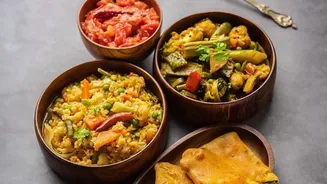
Working with raw jackfruit can be tricky due to its sticky sap. It’s advisable to oil your hands and knife before cutting it. Soaking the cut pieces in salted water with a pinch of turmeric can also help. For the best flavour, use full-fat curd and fresh ghee. This dish is traditionally served hot with soft rotis or as part of a larger Parsi meal, perhaps alongside a simple dal and rice. The creamy, mildly spiced curry is a testament to how vegetarian ingredients are elevated to celebratory status in Parsi cuisine.