




The Allure of Rainy-Day Air
There's a scientific reason we're drawn to the air during and after rainfall. Rain can wash away dust, pollen, and other pollutants from the atmosphere, making the air feel cleaner and crisper. This process, known as atmospheric scrubbing, means the air outside
can be significantly fresher than the stale air trapped inside your home. Activities like cooking and showering can increase indoor pollutants and moisture. Letting in the fresh, oxygen-rich air from outside for even just 10-15 minutes can improve indoor air quality, reduce stuffiness, and bring in that pleasant, earthy scent called petrichor.
The Hidden Risk: Humidity
The biggest downside to opening windows during rain, especially in India’s monsoon season, is humidity. While the air might feel fresh, it's also laden with moisture. Letting this damp air into your home can significantly raise indoor humidity levels. Ideally, indoor humidity should be between 30% and 50% to remain comfortable and healthy. When levels exceed 60%, it creates the perfect breeding ground for mould, mildew, and dust mites. These can trigger allergies, cause respiratory issues, and leave a persistent musty smell on your walls, furniture, and clothes. In extremely humid climates, opening windows can make your home feel damper and more uncomfortable.
Check the Wind and Rain Intensity
Not all rain is the same. A light, vertical drizzle with no wind is very different from a torrential downpour driven by strong gusts. Before opening a window, observe the conditions. If rain is blowing sideways, it will almost certainly get inside, potentially damaging your windowsills, walls, and floors. During heavy storms or thunderstorms, it's always safest to keep windows closed. However, during a gentle shower, you can often crack a window open for ventilation without much risk, especially if you monitor it. A good strategy is to open windows that are sheltered from the direct path of the rain.
Inspect Your Window's Design and Protection
The type of windows you have and the structure around them matter. Windows with awnings, rain guards, or deep eaves are better protected, allowing for ventilation while keeping most of the water out. Casement and awning-style windows, which open outward from the bottom, are generally better at preventing rain entry than standard sliding windows. Also, check the condition of your window frames and seals. Cracked caulk or worn-out weather stripping can allow water to seep in, even when the window is closed. Ensure the small drainage openings at the bottom of the window track, known as weep holes, are clear of dirt and debris so they can properly channel away any water that collects.
Consider Smart Ventilation Alternatives
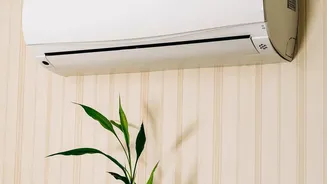
If it's too wet to open the windows, you're not out of options for freshening the air. Running exhaust fans in the kitchen and bathroom is crucial for expelling moist air from cooking and showering. Using an air conditioner on its 'dry' or dehumidify mode can also help reduce indoor humidity while circulating the air. For a more targeted approach, a standalone dehumidifier is an excellent investment during the monsoon season. Even simple tricks like ensuring good cross-ventilation by opening windows for a few minutes when the rain temporarily stops can make a big difference in preventing dampness.