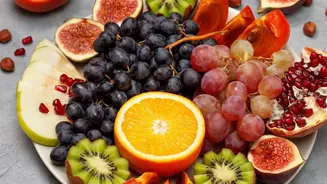





When you need an energy boost, reaching for a piece of fruit feels intuitive. While the natural sugars provide a quick lift, the real magic for sustained performance lies deeper, within the micronutrients that fuel your body's energy-making machinery.
Beyond Sugar: The Engine of Energy Metabolism
Energy for an active adult isn't just about calories. It's about how efficiently your body converts fuel—carbohydrates, fats, and proteins—into adenosine triphosphate (ATP), the molecule that powers every muscle contraction and cellular function. This conversion process is known as energy metabolism. Think of it like a car engine: macronutrients are the fuel, but micronutrients—vitamins and minerals—are the spark plugs and lubricating oils that ensure the engine runs smoothly and powerfully. Without these tiny but mighty components, the entire system can become sluggish and inefficient. Fresh fruits are packed with these essential micronutrients, making them crucial for anyone with an active lifestyle.
The B-Vitamin Complex: Unlocking Cellular Power
The B-group vitamins are the undisputed champions of energy production. They don't provide energy directly, but they are essential cofactors for the enzymes that break down food into usable fuel. Key players found in fruits include Vitamin B1 (Thiamine), B2 (Riboflavin), B3 (Niacin), and B5 (Pantothenic Acid). These vitamins are critical for the Krebs cycle, a series of chemical reactions in our cells that generates ATP. For example, Vitamin B5 is a core component of Coenzyme A, a molecule that kicks off the cycle, while others like B2 and B3 are needed to form electron carriers. A deficiency in these vitamins can directly impair your body's ability to produce energy, leading to fatigue. Fruits like avocados and bananas are good sources of various B vitamins.
Vitamin C: The Protective Energiser
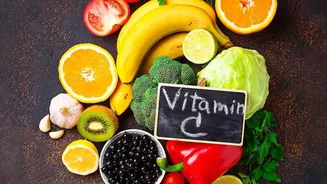
While famous for its immune-boosting properties, Vitamin C is a powerhouse for energy metabolism, too. It is a necessary cofactor for the synthesis of carnitine, a compound that transports fatty acids into the mitochondria to be burned for fuel. For active individuals, this means Vitamin C helps the body efficiently use fat for energy. Furthermore, intense exercise creates oxidative stress, which can damage cells and lead to fatigue. As a potent antioxidant, Vitamin C helps neutralise these harmful free radicals, protecting cells and potentially reducing muscle soreness after a workout. Citrus fruits like oranges and lemons, along with strawberries, kiwi, and bell peppers, are loaded with this vital nutrient.
Essential Minerals: The Unsung Heroes
Minerals found in fruit also play a fundamental role in keeping you energised. Potassium, abundant in bananas, oranges, and melons, is an electrolyte crucial for muscle contractions and nerve function. An imbalance can lead to muscle cramps and weakness. Magnesium, found in fruits like avocados and bananas, is another key player, involved in hundreds of enzymatic reactions, including those necessary for ATP production. Iron is another critical mineral for energy, as it helps form red blood cells that transport oxygen to working muscles. While less common in most fruits, some do contribute to your daily intake. These minerals work in concert to ensure your muscles have what they need to perform and recover.
Antioxidants for Recovery and Resilience
Active bodies are high-performance machines, and with high performance comes wear and tear in the form of inflammation and exercise-induced oxidative stress. This is where the vibrant colours of fruits tell an important story. Those deep reds, purples, and blues found in berries, cherries, and pomegranates come from compounds called polyphenols and anthocyanins. These powerful antioxidants help combat inflammation and muscle damage, which supports faster recovery. When you recover more efficiently, you can train more consistently and maintain higher energy levels over time. Studies suggest that daily consumption of antioxidant-rich fruits like blueberries and tart cherries can significantly reduce muscle soreness and markers of oxidative stress after strenuous activity.