
The Sun's Turbulent Outbursts
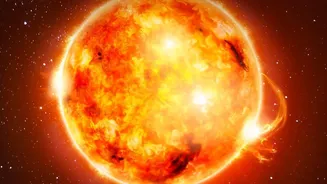
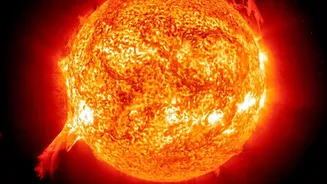
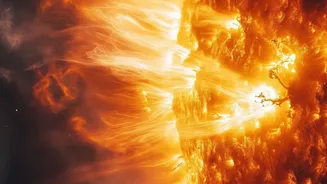
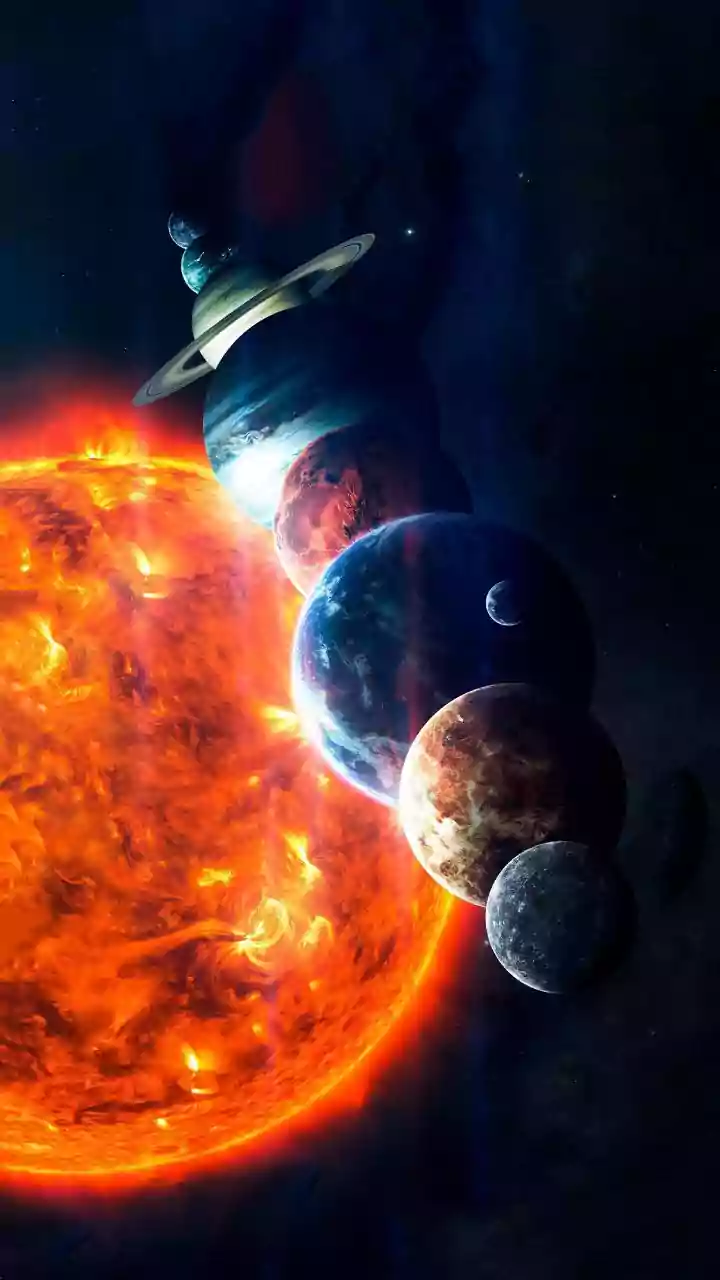
Space weather refers to the changing conditions in space driven by the Sun's activity. The primary culprits are solar flares and coronal mass ejections (CMEs). A solar flare is an intense burst of radiation, while a CME is a massive eruption of plasma
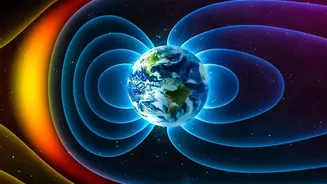
and magnetic fields from the Sun's outer atmosphere, the corona. When these storms of charged particles and radiation head towards Earth, they interact with our planet's magnetic field and upper atmosphere. While this interaction creates beautiful auroras, it can also wreak havoc on the technological systems our modern society is built upon.
Why Satellites Feel the Heat
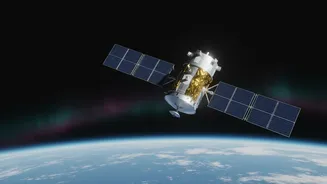
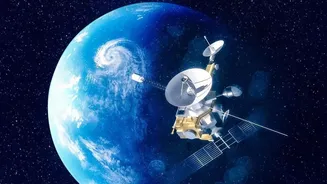
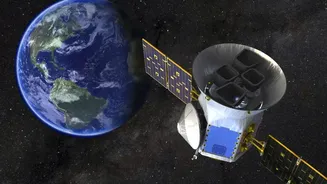
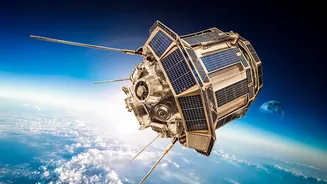
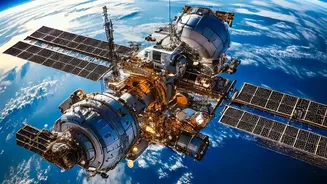
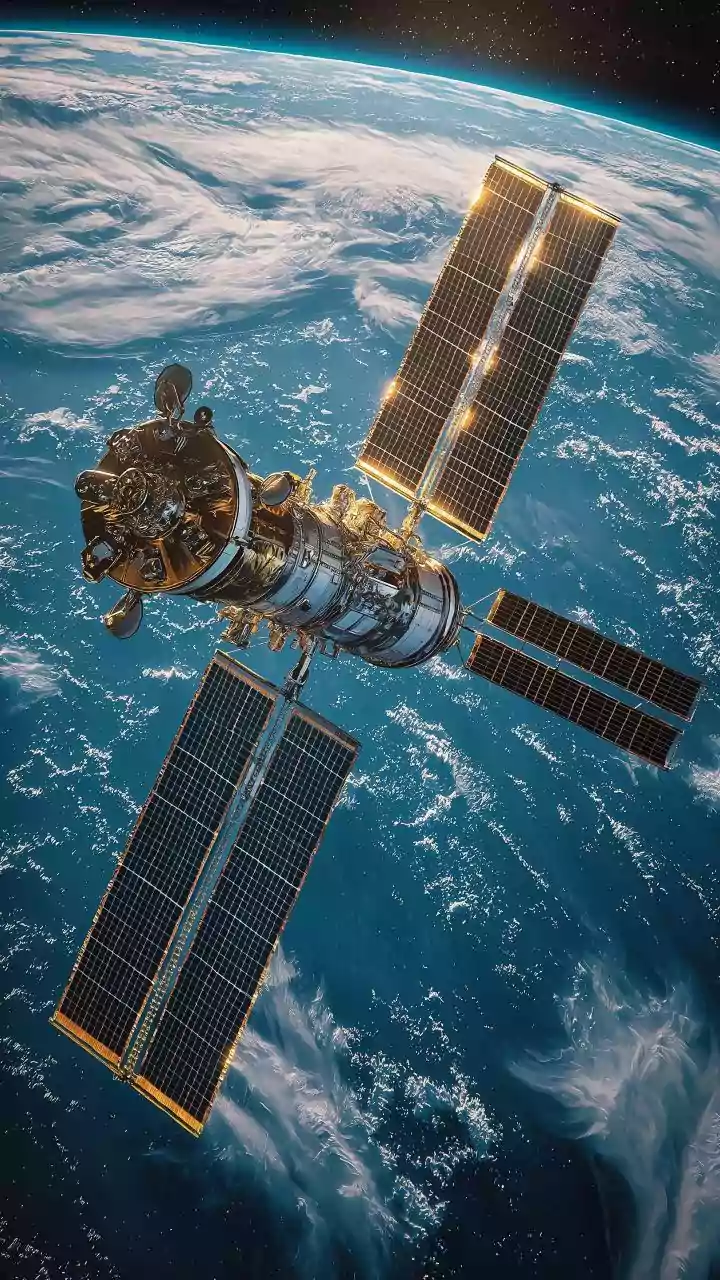
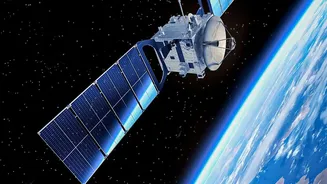
Satellites are on the front line of this celestial onslaught. The high-energy particles from a solar storm can damage sensitive electronics and degrade solar panels, shortening a satellite's lifespan. More critically for communications, these events disturb the ionosphere, a layer of Earth's atmosphere filled with charged particles. This disturbance can bend, block, or cause rapid fluctuations in the radio signals that travel between satellites and ground receivers, a phenomenon called scintillation. The result is what we experience on the ground: dropped calls on satellite phones, inaccurate GPS locations, and disruptions to broadband and broadcast services.
A Growing Digital Dependence
In an increasingly connected India, the stakes have never been higher. The 'Digital India' initiative, our reliance on UPI for transactions, and the logistics that power e-commerce all depend on stable connectivity. GPS is essential for aviation, shipping, and even precision agriculture. A significant space weather event could disrupt these systems, causing not just inconvenience but substantial economic losses. Protecting this vital infrastructure is no longer a niche concern for space agencies; it has become a matter of national economic security.
The Dawn of a New Forecast
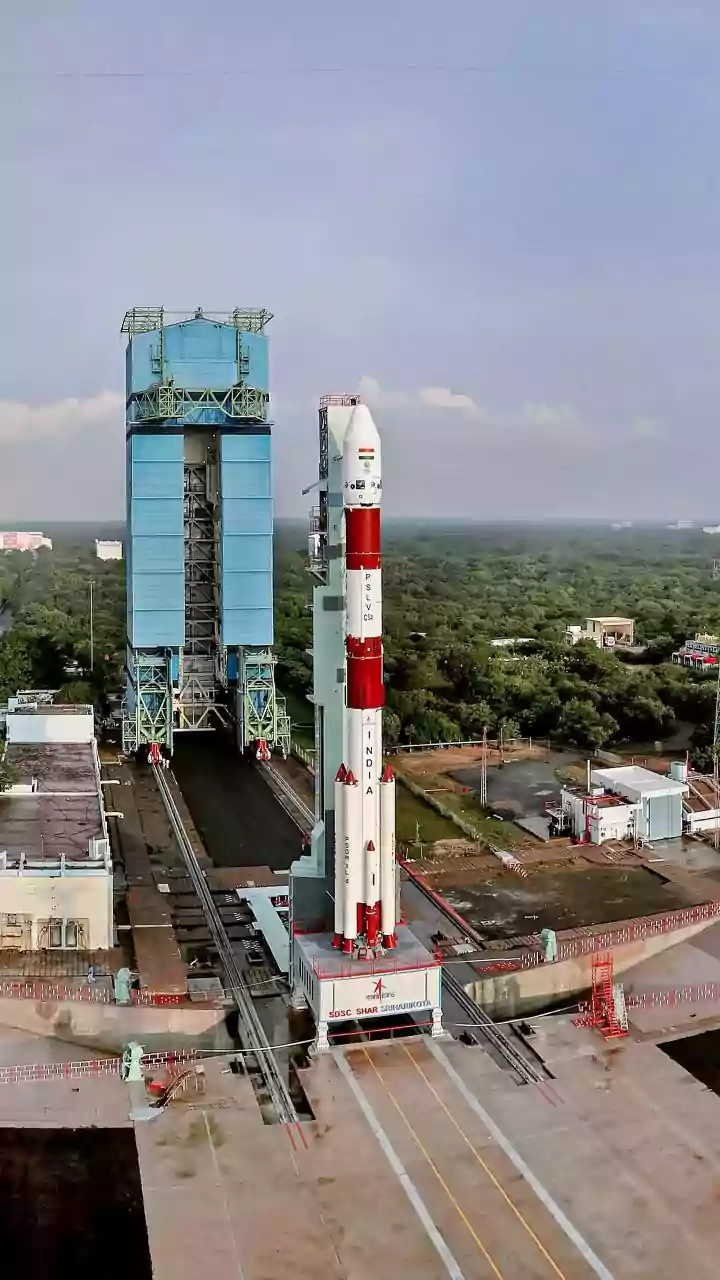
The good news is that our ability to predict space weather is getting smarter. Historically, forecasting has been challenging, with limited warning times. Now, a combination of advanced new observatories and artificial intelligence is changing the game. India's own Aditya-L1 mission, positioned at a special vantage point between the Earth and Sun, provides continuous, crucial data on solar activity. Simultaneously, researchers are developing AI and machine learning models that can analyse vast amounts of data from satellites like Aditya-L1 to identify the subtle precursors to a solar storm. These models can provide earlier and more accurate warnings about when a storm will erupt and how intense it might be.
From Prediction to Proactive Protection
Better forecasts are not just an academic exercise; they enable concrete protective actions. With a reliable warning, satellite operators can put their spacecraft into a temporary 'safe mode' to protect sensitive electronics. Power grid managers can take steps to prevent blackouts caused by geomagnetically induced currents. Airlines can reroute flights to avoid areas with high radiation and communication blackouts. For satellite communication providers, an accurate forecast means they can anticipate disruptions, manage network traffic, and inform customers, transforming a potential crisis into a manageable event. It is a shift from being reactive victims of space weather to becoming proactive managers of its effects.