



More Than Just Waste
Orange peels are often discarded, but they are a nutritional powerhouse. They contain significant amounts of vitamin C, sometimes even more than the fruit itself. The peels are also packed with beneficial plant compounds like polyphenols and flavonoids,
such as hesperidin, which have antioxidant properties. These compounds may support heart health by helping to manage blood pressure and cholesterol. Furthermore, the peels are a great source of dietary fibre, particularly pectin, which can aid digestion. By preserving the rinds, you're not just making a tasty condiment; you're unlocking valuable nutrients that would otherwise end up in the bin.
Selecting and Preparing Your Rinds
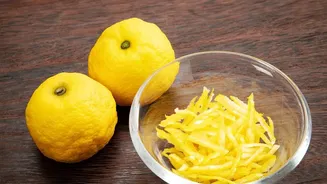
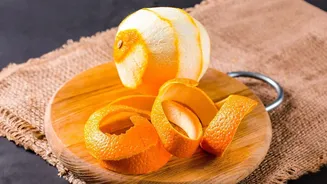
The quality of your final preserve starts with the fruit. Whenever possible, opt for organic oranges to minimize potential pesticide residue on the peel. Wash the oranges thoroughly before you begin. After enjoying the fruit, the next step is to prepare the rinds. You can slice them into thin, elegant strips or dice them into smaller, jewel-like pieces. The most crucial part of preparation is dealing with the pith—the white, spongy layer on the inside of the peel. The pith is intensely bitter. To create a pleasant-tasting preserve, it’s essential to remove this bitterness. The most effective method is blanching: place the peels in a pot of cold water, bring it to a boil, then drain. Repeating this process two to three times will significantly reduce the bitterness and tenderize the peels, making them ready for the candying process.
The Low-Sugar Preserving Process
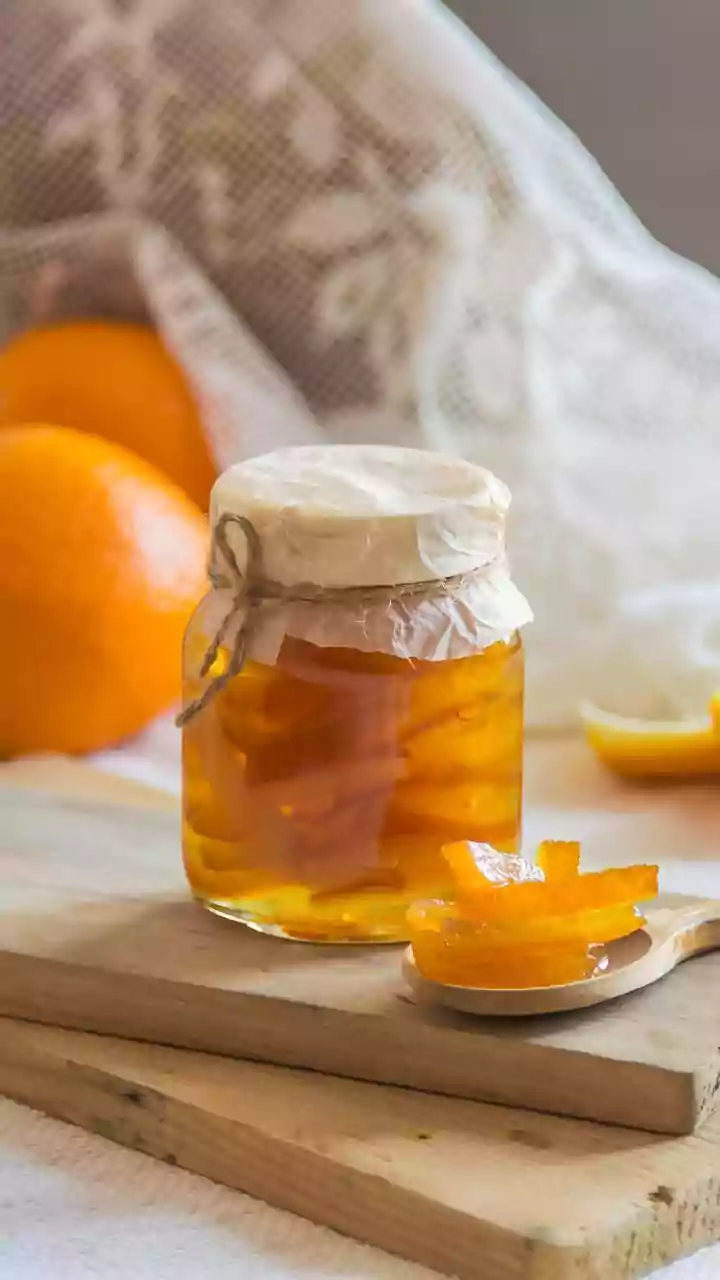
Traditional candied peels are often loaded with sugar. For a healthier version, we'll use just enough to preserve and sweeten the rinds without going overboard. After blanching and draining your peels, prepare a simple syrup. A good starting point is a ratio of one part sweetener to two parts water. While sugar is standard, you can also experiment with honey or maple syrup for different flavour profiles. Combine your sweetener and water in a saucepan and bring it to a gentle simmer, stirring until the sweetener dissolves completely. Add the blanched orange peels to the syrup. Let them simmer on low heat for 45 to 60 minutes. During this time, the peels will absorb the syrup and become tender and translucent. Keep a close eye on them to prevent the syrup from getting too thick or scorching. Once they have that glassy, jewel-like appearance, they're ready.
Drying and Storing Your Preserves
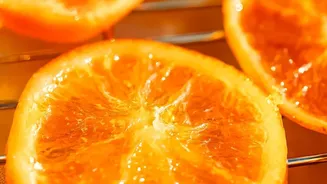
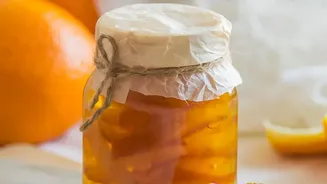
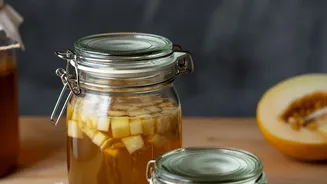
Once the peels are candied, carefully remove them from the syrup with a slotted spoon. You can save the leftover orange-infused syrup; it’s a delicious addition to teas, cocktails, or drizzled over pancakes. Spread the hot peels in a single layer on a wire rack or a sheet of parchment paper to cool and dry. For a classic finish, you can toss them in a light coating of granulated or superfine sugar while they are still slightly sticky. Allow the peels to air dry for several hours, or even overnight, until they are no longer wet to the touch. For storage, place the finished preserves in an airtight glass container. Kept in a cool, dark place, they should last for several weeks. For longer-term storage of up to two months, you can keep them in the refrigerator.
How to Use Your Homemade Treat
Now for the best part: enjoying your creation. These healthy citrus preserves are incredibly versatile. Chop them up and fold them into the batter for cakes, scones, or muffins to add a bright, citrusy punch. They make a beautiful garnish for desserts like pies, tarts, and mousses. Beyond sweets, they can add a surprising and sophisticated flavour to savoury dishes; try sprinkling them over roasted vegetables, into a grain salad, or as part of a glaze for chicken or fish. You can also simply enjoy them on their own as a sweet snack or dip them in melted dark chocolate for a truly decadent treat.