






The Perfect Storm of Price Rises
The festive season in India is synonymous with food, family, and celebration. However, this year, many households are facing a significant challenge: spiralling produce costs. It's a complex issue without a single cause. Instead, a combination of erratic
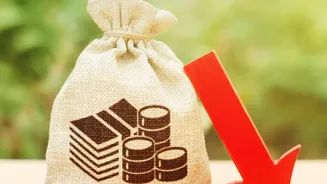
weather, rising fuel prices, and persistent supply chain issues is creating a perfect storm, hitting consumers' wallets right when they plan to spend the most. With food inflation climbing to 7.74% in September, the pressure on household finances is becoming increasingly noticeable, especially for essentials that form the bedrock of festive cooking.
Weather Woes and Weak Monsoons
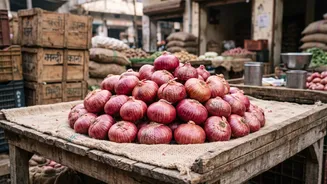
A primary driver of this volatility is the weather. The 2026 southwest monsoon ended with a significant rainfall deficit, marking it as the weakest since 2015. This has had a direct impact on agricultural production, with lower-than-average rainfall affecting crop yields and delaying harvests. Specific crops are particularly vulnerable. For instance, high temperatures earlier in the year affected the stored onion crop, leading to tighter supplies even before the festive demand kicked in. With emerging El Niño conditions threatening to persist, agricultural output for key crops like rice, pulses, and vegetables faces ongoing risks, creating uncertainty for both farmers and consumers.
The Fuel and Freight Connection
Even when crops are successfully harvested, getting them from the farm to the market has become more expensive. A significant hike in fuel prices has had a cascading effect on the entire supply chain. Transportation costs, which are a major component of vegetable pricing, have risen sharply. Traders report that a sustained increase in diesel and CNG prices forces them to raise freight charges, a cost that is inevitably passed on to the end consumer. This 'imported inflation' means that even produce grown domestically becomes more expensive simply because the cost of moving it has increased. The Indian crude basket saw a jump of about 41% between July and September 2026, a surge that directly translates to higher costs at the local mandi.
The Onion, Ginger, and Garlic Effect
No discussion of Indian food prices is complete without mentioning the holy trinity of the kitchen: onions, ginger, and garlic. These staples are particularly susceptible to dramatic price swings and have been major contributors to recent food inflation. In September 2026, onion inflation skyrocketed to an alarming 108.09%. Similarly, ginger and garlic prices also saw sharp increases. Because these ingredients are fundamental to countless Indian dishes, households cannot easily cut them out. They are forced to either absorb the higher cost, reduce quantities, or seek lower-quality alternatives, directly impacting the flavour and scale of festive meals.
How Families Are Adapting
In response to these pressures, consumer behaviour is shifting. Surveys indicate a cautious approach to festive spending this year, with total expenditure expected to see a slight decline compared to last year. Households are becoming more selective, with many planning to cut spending on travel and recreation to allocate more funds toward essential needs. Some are opting for cheaper vegetables or managing with fewer dishes daily. While the festive spirit remains, the reality of the grocery bill is forcing a practical reassessment of traditions, with families focusing on celebrating together, even if the feast is a little more modest than in previous years.