

The Loving Gardener’s Biggest Mistake
In cities across India, from Mumbai to Bengaluru, balconies are turning into lush, green sanctuaries. This boom in home gardening offers a welcome escape and a touch of nature. Yet, it comes with a common challenge that even the most dedicated plant parents
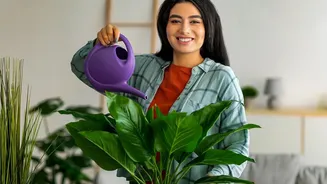
face: watering. It’s a delicate balance. Too little water and your plants wilt; too little, and you risk a far more silent killer. Overwatering is one of the most frequent causes of plant demise. When soil is constantly saturated, it cuts off the oxygen supply to the roots, leading to root rot. This decay prevents the plant from absorbing nutrients, causing yellow leaves, wilting, and eventually, death. Ironically, a drooping plant, which many interpret as a sign of thirst, can often be a symptom of drowning roots. This creates a vicious cycle where a well-intentioned gardener adds more water, worsening the problem.
The Secret Life of Soil
The key to understanding why overwatering is so harmful lies beneath the surface, in the soil’s microbiome. Your plant pot is not just dirt; it's a bustling ecosystem teeming with billions of microscopic organisms like bacteria and fungi. This soil microbiome is the engine of plant health. These beneficial microbes help break down organic matter, make nutrients available to the plant’s roots, and protect against pathogens. When you overwater, you disrupt this delicate environment. You flush away essential nutrients and create anaerobic (oxygen-free) conditions where harmful bacteria and fungi thrive, while the beneficial ones die off. A healthy microbial community is fundamental for a plant's resilience and growth. Therefore, maintaining the right moisture level isn't just about hydrating the plant; it's about safeguarding its entire support system.
How Smart Sensors Change the Game
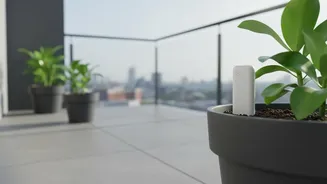
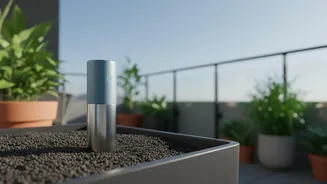
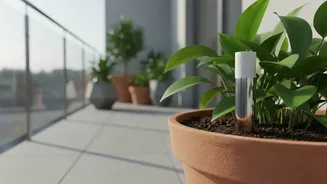
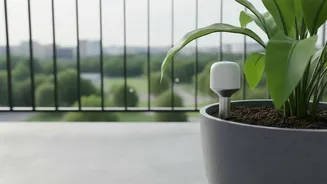
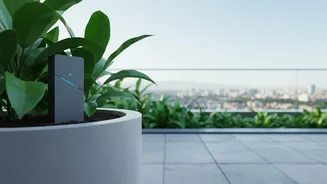
For years, the best advice was to stick a finger in the soil to check for dampness. This method is subjective and often inaccurate. Enter the next generation of gardening gadgets: Internet of Things (IoT) soil sensors. These aren't your old-school moisture meters. Modern smart sensors are sophisticated devices you place in the soil, where they provide continuous, real-time data on the conditions around your plant's roots. High-quality sensors use what’s called a capacitive probe, which resists rust and provides far more accurate moisture readings than older models. But they don't stop at moisture. Many of these devices also track soil temperature, ambient humidity, and even the amount of light your plant is receiving, sending all this information directly to an app on your smartphone.
Protecting the Microbiome by Proxy
While most consumer-grade sensors don't directly measure microbial activity just yet, they protect the microbiome by empowering you to maintain its ideal environment. By delivering precise data on moisture levels, they help you water only when necessary. This prevents the waterlogging that destroys the soil structure and kills beneficial microbes. Think of the sensor as a translator for your plant and its environment. Your phone buzzes with an alert: “Soil moisture is at 35%. Time to water.” Or, just as importantly, it tells you when not to water, saving your plants from your own best intentions. This data-driven approach ensures the soil has the perfect balance of moisture and oxygen, creating a stable and thriving habitat for the microscopic allies your plant depends on. In essence, by controlling the environment, you are cultivating the microbiome.
Your Balcony, But Smarter
Integrating this technology into your balcony garden is surprisingly simple. A single sensor can monitor a prized plant, or multiple sensors can create a network across your entire collection, with each one customized to the specific needs of that plant. The companion apps often have libraries of different plant species, allowing you to set optimal thresholds for moisture and light. This transforms plant care from a routine of guesswork into a responsive, precise activity. For tech-savvy gardeners, some systems can even be integrated with smart irrigation controllers to create a fully automated watering setup. The result is healthier plants, less water waste, and a significant reduction in the stress and uncertainty that can come with gardening. It's about working smarter, not harder, to create the green oasis you’ve always wanted.