




The Foundation: Khoya and Ghee
Khoya, or mawa, is the heart of many traditional sweets, but it is also a common target for adulteration. Fresh, pure khoya should feel slightly grainy and leave a greasy residue on your palm, with a distinct milky, ghee-like aroma. If it feels pasty,
dry, or unnaturally white, it might be mixed with starch or chalk powder. A simple home test involves dissolving a small amount in hot water and adding a few drops of iodine; if the water turns blue, it confirms the presence of starch. Similarly, the quality of ghee is paramount. Sweets made with pure desi ghee will have a rich, nutty aroma and a melt-in-the-mouth texture. A quick test is to rub a bit of the sweet on your palm; if the ghee starts to melt from your body heat, it's a good sign. If it feels waxy or stays solid, it may contain cheaper hydrogenated fats like dalda or vanaspati.
Assessing Artisanal Sweets
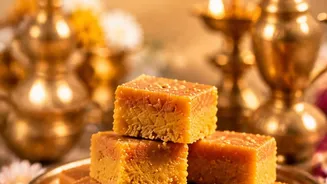
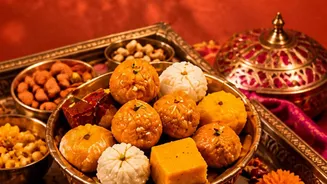
When buying from a local mithai shop, your senses are your best tools. Freshly made sweets should have vibrant, natural colours and a pleasant, mild fragrance of their core ingredients like cardamom or nuts. Be wary of an overpowering, perfume-like smell, which often indicates synthetic essences used to mask low-quality ingredients. Observe the texture; fresh barfi should be soft and creamy, not dry or crumbly. Don't hesitate to ask for a small sample to taste. It should taste fresh, not stale or overly sweet, which can be a tactic to hide other flavour defects. Also, since June 2020, FSSAI has mandated that sweet shops display 'Best Before Date' for loose sweets, so be sure to check that information.
Decoding Packaged Sweets
For mass-produced sweets, the packaging is your first source of information. Always check the manufacturing date and the best-before date. Reputable brands are transparent with their ingredient lists; look for simple, recognisable items like milk solids, pure ghee, nuts, and natural flavourings. Complex chemical names or a long list of preservatives can be a red flag. Proper packaging is also crucial for maintaining freshness. Look for sweets that are hygienically sealed to prevent exposure to air and moisture, which can cause them to spoil faster. With festive demand soaring, the Food Safety and Standards Authority of India (FSSAI) often intensifies inspections, focusing on milk products, ghee, and sweets, so choosing brands that adhere to FSSAI standards adds a layer of assurance.
Nuts, Flours, and Silver Foil
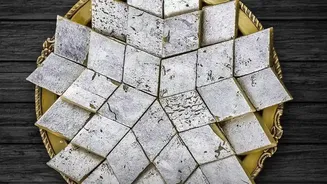
Other ingredients also tell a story. Nuts and dried fruits should be fresh and crunchy, not stale or rancid. Rancid nuts often have a sharp, bitter, or paint-like smell. The vibrant green of a pista barfi or the richness of a badam halwa depends on the quality of these nuts. Even the flour used in sweets like besan laddoo should smell fresh and nutty when cooked, not old or musty. Another key element to check is the decorative silver foil, or 'vark'. Real silver vark is incredibly thin and will almost dissolve or disappear when you rub it between your fingers. Fake foil, often made of aluminium, will feel thicker and roll into a tiny ball when rubbed. Aluminium is harmful if ingested, so this is an important safety check.
The Final Taste and Texture Test
Ultimately, the proof is in the eating. Once you bring your sweets home, take a moment to assess their quality. A good quality laddoo made with pure ghee will have a granular texture that melts in your mouth. A kaju katli should be smooth and flavourful, tasting of cashews, not just sugar. Any off-flavours, a waxy mouthfeel, or a sour aftertaste are signs that the ingredients were not fresh or were of poor quality. During the festive season, when production is rushed, even trusted shops can sometimes falter. Trust your palate; if a sweet tastes 'off', it is better to be safe and discard it. A truly delicious sweet relies on the integrity of its ingredients, not just its sugar content.