







For many, a desk job means hours of sitting, which can lead to stiff joints, tight muscles, and long-term discomfort. The good news is that small, consistent changes to your routine can counteract these effects and protect your mobility.
The Problem with Prolonged Sitting
The phrase 'sitting
is the new smoking' highlights a growing understanding of the health risks associated with a sedentary lifestyle. When you remain seated for extended periods, your body adapts in ways that can be detrimental. Hip flexors shorten and tighten, gluteal muscles can weaken, and the spine experiences sustained pressure, often leading to poor posture. This immobility reduces blood flow to your joints, causing stiffness and discomfort, particularly in the hips, lower back, and neck. Over time, this lack of movement can contribute to reduced flexibility, chronic pain, and an increased risk for conditions like arthritis.
The Rule of Movement: How Often to Break
The key to combating a sedentary day isn't necessarily standing all the time, but moving frequently. While there is no single rule set in stone, experts and health bodies agree that short, regular breaks are more effective than infrequent long ones. Many physiotherapists and researchers recommend taking a break to stand, stretch, or walk for a few minutes every 30 to 60 minutes. Setting a simple timer can be a powerful reminder. Even a two-minute break can improve circulation, reduce stiffness, and boost your mood and focus. The goal is to interrupt the static posture before discomfort sets in.
Desk-Friendly Stretches for Key Joints
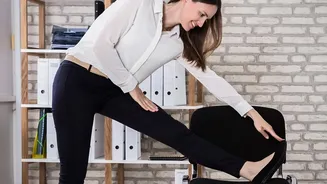
You don't need to leave your workspace to improve mobility. These simple stretches target the areas most affected by sitting. For your neck, gently tilt your head from side to side, holding for 15-30 seconds on each side to release tension. To address tight hips, try a seated 'figure-four' stretch by crossing one ankle over the opposite knee and gently leaning forward. For your spine, a seated torso twist can do wonders; sit tall and gently twist to one side, using your chair for support, and hold before repeating on the other side. Finally, counteract 'tech neck' and rounded shoulders by squeezing your shoulder blades together for a few seconds, repeating several times.
Integrating More Activity Into Your Day
Beyond scheduled breaks, look for opportunities to build movement into your work habits. Consider a standing desk, but remember the goal is to alternate between sitting and standing, ideally changing positions every 30–60 minutes. Whenever possible, opt to stand during phone calls or virtual meetings. Instead of sending an email to a colleague in the same building, walk over to their desk. Choose the stairs instead of the elevator. These small choices accumulate throughout the day, contributing significantly to your overall activity level and helping to break the cycle of prolonged sitting.
Ergonomics: Your First Line of Defence
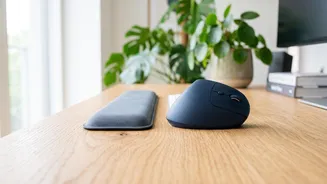
While movement is crucial, a proper ergonomic setup provides the foundation for a healthier workday. Adjust your chair so your feet are flat on the floor and your knees are at a 90–degree angle. Your monitor should be at arm's length, with the top of the screen at or slightly below eye level to prevent neck strain. Ensure your keyboard and mouse are positioned so your elbows are at a 90–degree angle and your wrists remain in a neutral position. This setup supports good posture and reduces the strain on your joints and muscles from the start.