



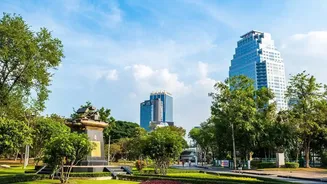
The Lungs of a Concrete Jungle
Urban green spaces are Bengaluru's first line of defense against environmental degradation. Trees and vegetation act as natural air purifiers, absorbing carbon dioxide and filtering harmful pollutants from the air. This is crucial in a city grappling
with rising vehicular emissions. Furthermore, these green pockets combat the 'urban heat island' effect, where concrete and asphalt absorb and radiate heat, making the city significantly warmer. Studies show that parks can be several degrees cooler than surrounding built-up areas, providing natural air conditioning and reducing energy consumption for cooling. They also play a vital role in stormwater management, as their permeable surfaces absorb rainwater, which helps recharge groundwater tables and reduces the risk of flooding during heavy monsoons.
A Sanctuary for Mental and Physical Wellbeing
The benefits of green spaces extend deep into public health. For residents of a high-stress metropolis, parks like Lalbagh and Cubbon Park offer a much-needed respite. A large body of evidence confirms that spending time in nature can significantly reduce stress, anxiety, and depression. The simple act of walking in a park is associated with lower blood pressure, improved mood, and better overall mental clarity. These areas also encourage physical activity, providing safe and accessible environments for walking, jogging, and community fitness activities. In a dense urban landscape, such opportunities for recreation are not a luxury but a necessity for a healthy lifestyle.
Weaving the Social Fabric
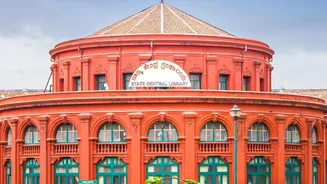
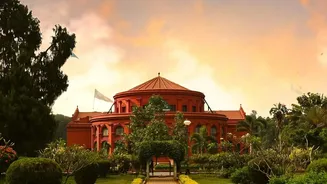
Beyond their environmental and health benefits, Bengaluru's parks are invaluable social assets. They are democratic spaces where people from all walks of life can gather, interact, and build community bonds. From morning walkers and yoga groups to families picnicking and children playing, these spaces foster social cohesion. They host cultural events, community workshops, and farmers' markets, transforming into vibrant hubs of public life. Iconic landmarks within these parks, such as the State Central Library in Cubbon Park, also serve as important cultural and educational centres for the city's residents. This sense of shared ownership and community makes parks essential to the city's social infrastructure.
A Green Heritage Under Threat
Despite their importance, Bengaluru's green cover is shrinking at an alarming rate. Unplanned urban sprawl, road widening, and massive infrastructure projects have led to a drastic decline in vegetation over the past few decades. Studies from the Indian Institute of Science have highlighted a staggering loss in tree cover, with the city's ratio of trees to people falling to a worrying one tree for every seven residents. This relentless concretisation not only intensifies heat and pollution but also leads to a loss of biodiversity, as habitats for birds, insects, and small animals disappear. Recent government proposals to allow infrastructure projects within park boundaries have sparked protests from citizens who fear the erosion of these protected sanctuaries.
The Citizen-Led Fight for Green
In the face of these challenges, Bengaluru's citizens have emerged as staunch defenders of their green spaces. Numerous resident groups and environmental organizations are actively campaigning to protect existing parks and lakes. Citizen-led initiatives like plogging drives, tree plantation campaigns, and awareness workshops are becoming increasingly common across the city. These movements highlight a growing public consciousness about the irreplaceable value of urban nature. By volunteering, protesting encroachments, and engaging with local authorities, residents are sending a clear message: the 'Garden City' identity is not just a relic of the past but a vision for a sustainable and liveable future.