






Your Post-Monsoon Garden Reset
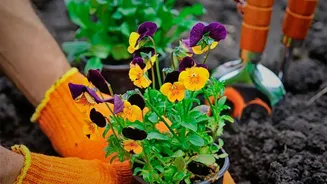
The heavy rains can leave garden soil compacted and pots waterlogged. Before you begin sowing new seeds, it's essential to prepare your space. Start by clearing any debris, fallen leaves, or weeds from your pots and garden beds. Gently loosen the topsoil
with a small fork to improve aeration and drainage. This is also an ideal time to enrich your soil by mixing in some organic compost or well-rotted manure, which replenishes nutrients that the monsoon may have washed away. Ensuring your pots have clear drainage holes is crucial to prevent root rot in the cooler months ahead.
October's Finest Flowers
Indian winters are perfect for a variety of vibrant flowers that thrive in cooler temperatures. October is the prime month to sow seeds for a colourful display that will last through the season, transforming balconies, terraces, and window sills into floral havens.
Marigold (Genda)
No Indian winter garden is complete without the cheerful glow of marigolds. These hardy flowers are incredibly easy to grow and are a staple for festive decorations. They thrive in full sunlight, needing at least six hours a day to produce their iconic orange and yellow pom-pom blooms. Sow seeds in well-drained soil and water regularly. Marigolds are not just beautiful; they are also known to deter pests in the garden.
Chrysanthemum (Guldaudi)
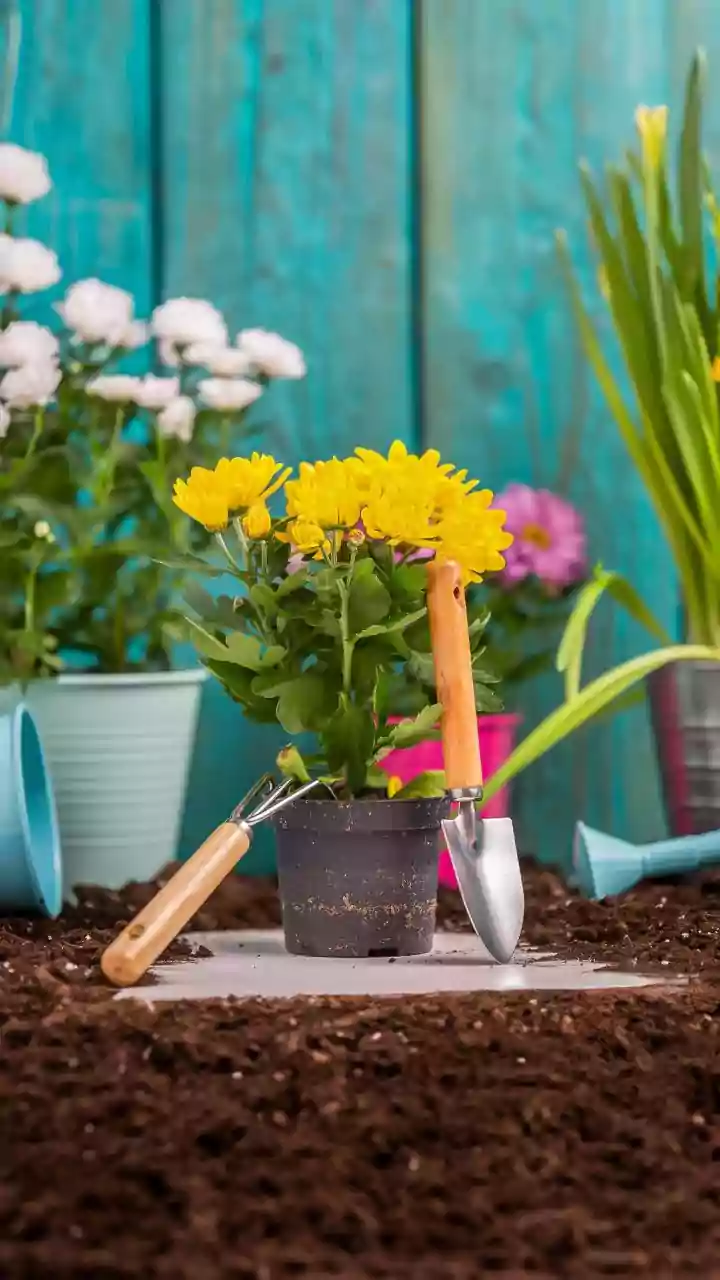
Known as the 'Queen of the East', Chrysanthemums are a classic winter flower in India. While many people buy them as established plants, you can grow them from cuttings taken in autumn. They come in a vast array of colours and forms. These plants require rich soil and a spot that receives full morning sun. Regular pinching of the tips in the early stages will encourage a bushier plant with more flowers.
Petunia
For cascading colours in hanging baskets and pots, petunias are an unmatched choice. Available in shades from white and pink to deep purple, they bloom profusely throughout the winter. Petunia seeds are tiny, so be careful when sowing; it's best not to cover them with soil as they need light to germinate. They prefer a sunny spot and will reward you with continuous flowers, especially if you remove spent blooms regularly.
Your Winter Vegetable Harvest
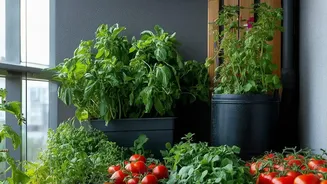
Beyond flowers, October is the ideal time to sow seeds for a delicious winter vegetable patch. Growing your own vegetables is rewarding, providing fresh, chemical-free produce right at your doorstep. Many winter vegetables are perfectly suited for container gardening, making them accessible even for those with limited space.
Spinach (Palak)
Spinach is one of the easiest and quickest winter greens to grow at home. It thrives in the cool weather and can be grown in wide, relatively shallow containers (6-8 inches deep). Sow the seeds directly into soil rich in organic matter and keep it consistently moist. You can start harvesting the outer leaves in just 45-60 days, and the plant will continue to produce more.
Carrots (Gajar)
Homegrown carrots have a sweetness you just can't find in stores. For container gardening, the key is depth. Choose a pot that is at least 10-12 inches deep to allow the roots to grow long and straight. Carrots require loose, well-draining soil free from stones. Sow the seeds thinly and place the pot in a location that gets plenty of sunlight.
Radish (Mooli)
Radishes are a fast-growing root vegetable, making them a great choice for beginner gardeners. They can be ready to harvest in as little as 30-45 days. Like carrots, they need loose soil to allow the root to develop properly, but a pot depth of 8-10 inches is usually sufficient for most common varieties. They grow best in full sun and with consistent watering.