
An Uneven Monsoon So Far
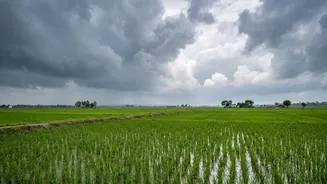
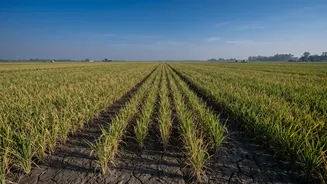
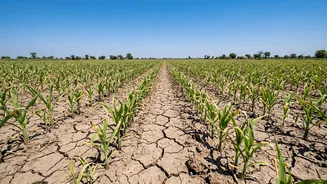
The 2026 southwest monsoon has been a story of contrasts. After early forecasts predicted a below-normal season due to El Niño conditions, the rainfall distribution has been patchy. While a strong July helped recover from a weak June, August proved erratic
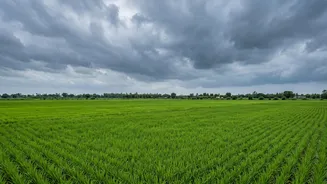
again. As of late August, the total area sown with kharif crops was tracking slightly lower than the previous year, with a notable deficit in rice, coarse cereals, and oilseeds. The Ministry of Agriculture has pointed to scant and erratic rainfall as a key reason for the sluggish sowing campaign. As of August 28, the total sown area was 1,071.10 lakh hectares, about 1.73% lower than the same period in 2025. This deficit puts even more pressure on the monsoon's final act.
Why September Rains Are Crucial
September is not just about topping up rainfall totals; it's about timing. This is the month when many summer-sown crops are in their crucial maturing stage. Rains during this period, often called the 'withdrawal' phase, are vital for determining the final yield and quality of the grain. For late-sown crops, this moisture is essential for survival and growth. Furthermore, a well-hydrated end to the monsoon ensures that soil moisture levels are adequate for the upcoming Rabi (winter) crop season, for which planting begins in October. It also helps replenish water levels in India's major reservoirs, which are critical for irrigation and drinking water supplies through the dry winter and summer months.
Crops on the Brink
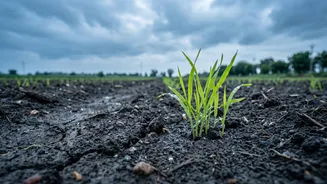
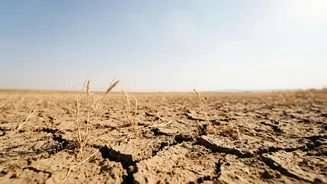
Several key kharif crops are particularly vulnerable to a dry September. Rice, the country's largest food crop, has already seen a dip in its sown area. States like Karnataka, Telangana, and Odisha have reported reduced coverage. A lack of rain in September could stunt grain filling, leading to lower yields. Other crops like cotton, soybeans, corn (maize), and pulses also face significant moisture stress if the final month of the monsoon is weak. While the total area under pulses has seen a slight increase over last year, driven by tur and urad, this gain could be jeopardised by a dry spell. The output of these crops directly impacts food security and farmer incomes.
A Welcome Forecast Shift?
While concerns over a weak September have been high, the latest forecasts offer a glimmer of hope. As of August 31, the India Meteorological Department (IMD) has forecast a monsoon revival. A low-pressure system over the Bay of Bengal is expected to bring heavy rainfall to eastern and central India in the first week of September. States like Odisha, Jharkhand, Chhattisgarh, and East Uttar Pradesh are predicted to receive significant rain. However, the IMD also noted that rainfall activity is likely to remain subdued over Peninsular India for the next week. The crucial question is whether this revival will be widespread and sustained enough to make up for earlier deficits across the entire country.
The Ripple Effect on the Economy
The performance of the monsoon has a direct and significant impact on the broader economy. A poor harvest can trigger a cascade of economic challenges. Reduced crop output can lead to lower supply, which in turn fuels food inflation—a major concern for household budgets and the Reserve Bank of India. Some analysts predict that a significant monsoon shortfall could push inflation higher. Beyond prices, a weak agricultural season dampens rural demand. With a large portion of the population dependent on farming, lower incomes mean less spending on goods and services, which can slow down overall economic growth.