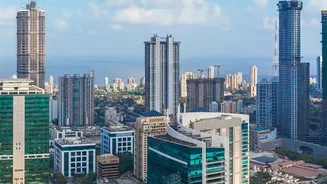






The Great Urban Unwinding
The long-standing narrative of talent moving from small towns to big cities like Bengaluru, Mumbai, and Delhi is being rewritten. While not a complete exodus, a noticeable 'reverse migration' is gaining momentum. This trend, accelerated by the widespread
adoption of remote and hybrid work models post-pandemic, is now maturing into a strategic decentralisation of India's workforce. Professionals are increasingly opting for a better quality of life, lower living costs, and proximity to their roots, a choice made possible as high-value jobs are no longer confined to Tier-1 hubs. According to some reports, a significant portion of India's remote workforce already operates from Tier-2 and Tier-3 cities.
The Rise of the New Hubs
This shift isn't happening in a vacuum; it's being actively driven by the rapid emergence of smaller cities as viable economic centres. Cities like Pune, Ahmedabad, Jaipur, Coimbatore, Kochi, and Bhubaneswar are no longer just alternatives but destinations in their own right. These emerging hubs are developing their own specialisations: Ahmedabad is becoming a FinTech and BFSI powerhouse, Mysuru a cybersecurity hub, and Coimbatore a centre for manufacturing and IT. Government initiatives, including new IT parks, Special Economic Zones (SEZs), and massive infrastructure upgrades in transport and digital connectivity, are making these cities more attractive for both companies and employees.
More Than Just Call Centres
Crucially, the jobs moving to smaller cities are increasingly high-value. The expansion goes far beyond back-office operations. Multinational corporations and Indian IT giants are establishing Global Capability Centers (GCCs) offering roles in R&D, software development, finance, and analytics. Reports indicate that over 220 GCCs already operate in emerging cities, with demand for such centres projected to grow significantly. This corporate influx is driven by access to a vast, untapped talent pool—non-metro areas produce 60% of India's graduates—and operational costs that can be up to 30% lower than in metros.
The Salary and Lifestyle Equation
While historically, metro cities held a monopoly on high salaries, that gap is closing. Some studies project that salary increments in cities like Ahmedabad, Nagpur, and Visakhapatnam will match or even surpass those in Mumbai and Delhi. While premium tech roles still command the highest packages in Bengaluru and Hyderabad, the overall financial benefit of moving to a smaller city is compelling. When lower rents and a reduced cost of living are factored in, professionals often find their disposable income and savings potential are higher. This financial relief, combined with shorter commutes, less pollution, and a calmer lifestyle, creates a powerful incentive that metros are finding hard to compete with.
Challenges on the Horizon
However, this growth is not without its challenges. The rapid influx of companies and professionals can strain the existing infrastructure of smaller cities, leading to rising real estate prices and increased pressure on local utilities. While these hubs have a large graduate pool, there is a continuous need to ensure the local workforce is equipped with the specialised digital skills that modern companies require. As these cities grow, they will need careful urban planning to avoid repeating the congestion and affordability crises that plague their Tier-1 counterparts. The long-term success of this trend depends on creating sustainable ecosystems that can support both economic growth and a high quality of life.