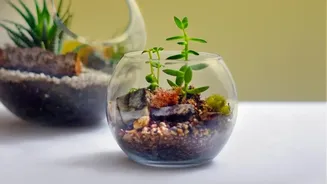



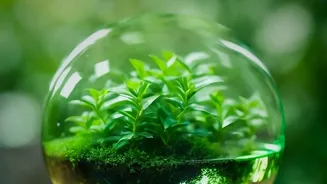
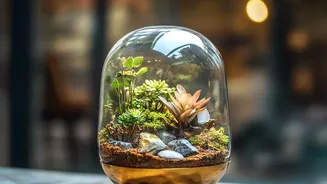
Looking to bring a touch of serene, natural beauty indoors? An indoor moss garden is a low-maintenance way to create a lush, green focal point. With the right moss, like shade-loving sheet or cushion moss, you can easily cultivate your own tiny ecosystem.
The Allure of a Miniature Green World
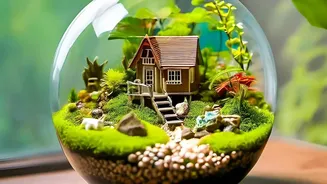
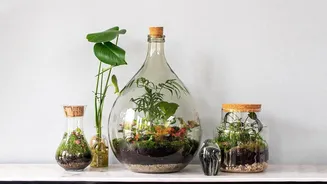
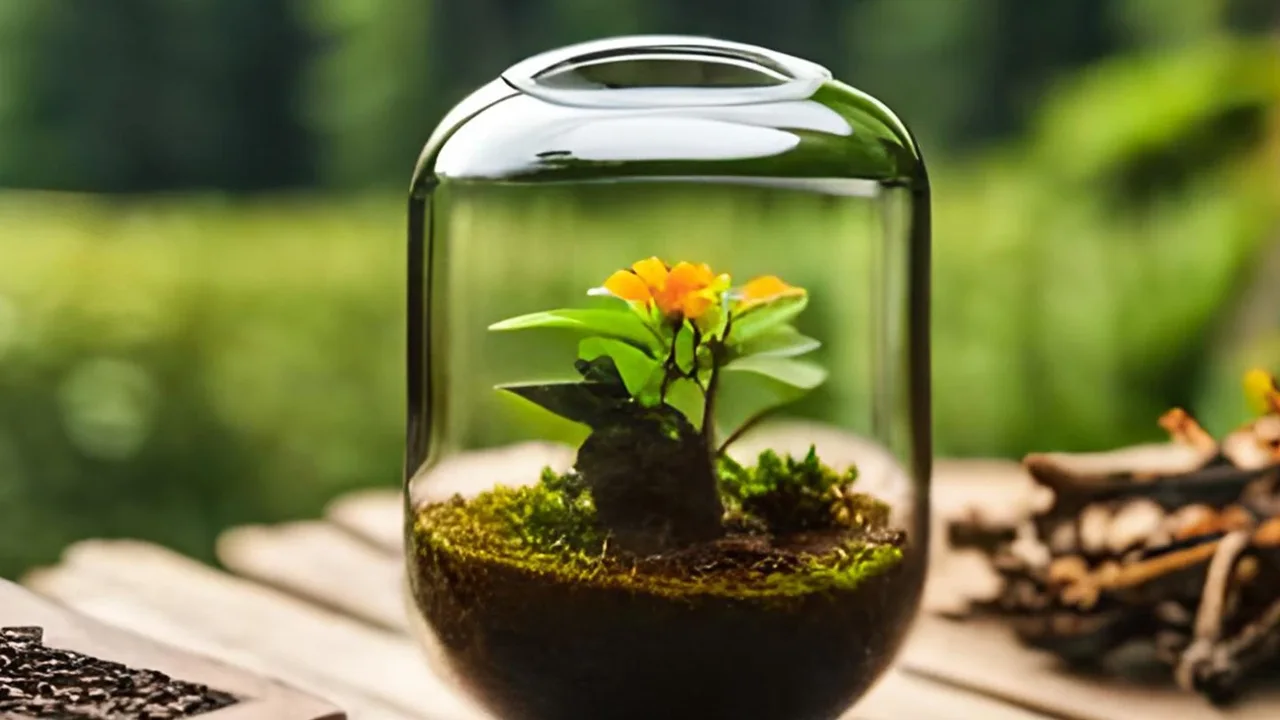
An indoor moss garden, often housed in a glass terrarium, is a self-contained ecosystem that brings the tranquility of a forest floor into your home. Unlike many houseplants, mosses are non-vascular plants, meaning they absorb water and nutrients through their leaves directly from the air, rather than a complex root system. This makes them perfectly suited for the humid, enclosed environment of a terrarium, where they can thrive with minimal intervention. They are an excellent choice for beginners or anyone seeking a beautiful, long-lasting, and low-effort addition to their decor.
Choosing Your Moss: Sheet vs. Cushion
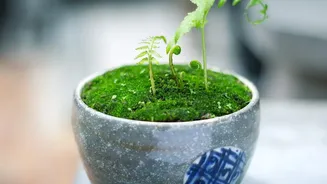
The two most popular choices for indoor moss gardens are sheet moss and cushion moss, each offering a different aesthetic. Sheet moss, from the Hypnum genus, grows in flat, dense mats, resembling a vibrant green carpet. It’s ideal for covering the 'ground' of your terrarium quickly and creating a unified look. Cushion moss, also known as Pincushion or Bun Moss (Leucobryum glaucum), grows in tight, rounded clumps or mounds that look like small, soft pillows. It adds wonderful texture, dimension, and the feeling of a rolling landscape to your design. Many designers use both to create more dynamic and natural-looking scenes.
Gathering Your Supplies
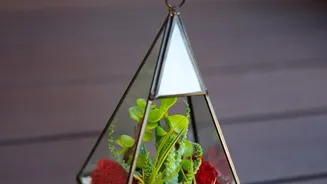
Creating your moss garden is simple, and you only need a few key materials. First, select a clear glass container, preferably with a lid to maintain humidity. Jars, bowls, or geometric vessels all work well. Next, you'll need materials for layering. Start with a drainage layer of small pebbles or gravel. On top of that, add a thin layer of activated charcoal, which helps keep the environment fresh and filters impurities. Finally, add a layer of substrate, such as a peat-free compost, coco coir, or bonsai soil, to hold the moss in place. Of course, you'll also need your chosen live moss and a spray bottle for misting.
Step-byStep Building Your Garden
Once you have your materials, assembling your moss garden is a straightforward and creative process. Start by cleaning your glass container thoroughly. Add your drainage layer of pebbles, about 2–3 cm deep. Follow this with the thin layer of activated charcoal, and then 3–5 cm of your chosen substrate. Now for the fun part: arranging the moss. Press pieces of sheet or cushion moss firmly onto the substrate, ensuring good contact with no air pockets underneath. You can add decorative elements like small stones, driftwood, or miniature figurines to create a unique scene. Once everything is in place, lightly mist the moss with filtered or distilled water until it is damp but not flooded. Finally, place the lid on your container.
Care and Maintenance Essentials
The beauty of a moss garden lies in its low–maintenance nature. The key is balance. Place your terrarium in a spot that receives bright, indirect light, like a north–facing windowsill; direct sunlight can scorch and dry out the moss. Moss thrives in high humidity, so a closed terrarium is ideal. You'll only need to water it every few weeks or even months, as the container will create its own water cycle. When you do water, use a mister and apply just enough to moisten the moss. It's best to use rainwater or distilled water, as the chlorine and minerals in tap water can harm the moss over time. If you notice constant heavy condensation, simply remove the lid for a few hours to allow some moisture to escape.
Troubleshooting Common Problems
While generally easy to care for, you might encounter a few issues. If you spot white,
fluffy mould,
it usually means the environment is too wet and stagnant.
Remove the affected piece and leave the lid off for a day to improve air circulation.
If your moss turns brown or yellow,
it’s typically a sign of either too much direct sun or not enough water.
Brown,
crispy moss is likely too dry,
while brown and mushy moss is probably overwatered.
Assess the conditions and adjust your light and misting schedule accordingly.
By paying attention to these simple cues,
you can easily correct course and keep your miniature world lush and green.