





A New Chapter in Overnight Journeys
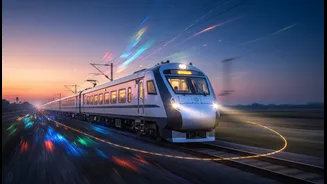
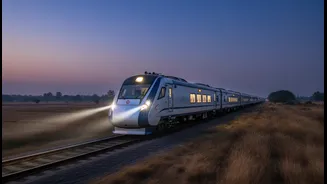
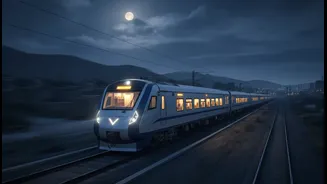
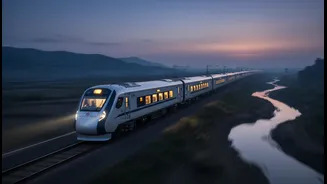
Indian Railways is rolling out a significant upgrade to its long-distance services: the Vande Bharat Sleeper Express. Following the success of the chair-car Vande Bharat trains, this new sleeper version is engineered for overnight journeys, specifically
targeting routes between 800 and 1,200 kilometres. The first commercial service began in January 2026, connecting Howrah and Kamakhya. A second service between Varanasi and Chheharta (Amritsar) was launched in July 2026. The vision is to offer a premium, high-speed alternative to existing overnight trains, fundamentally changing how Indians approach travel for leisure, business, and pilgrimage. These trains are designed to compete not just with other trains, but with the time and expense of air travel, offering a compelling middle ground.
Engineered for Speed and Comfort
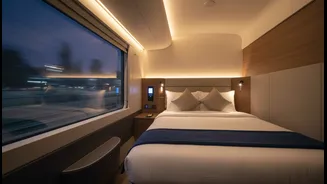
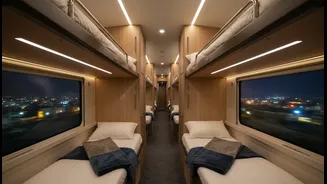
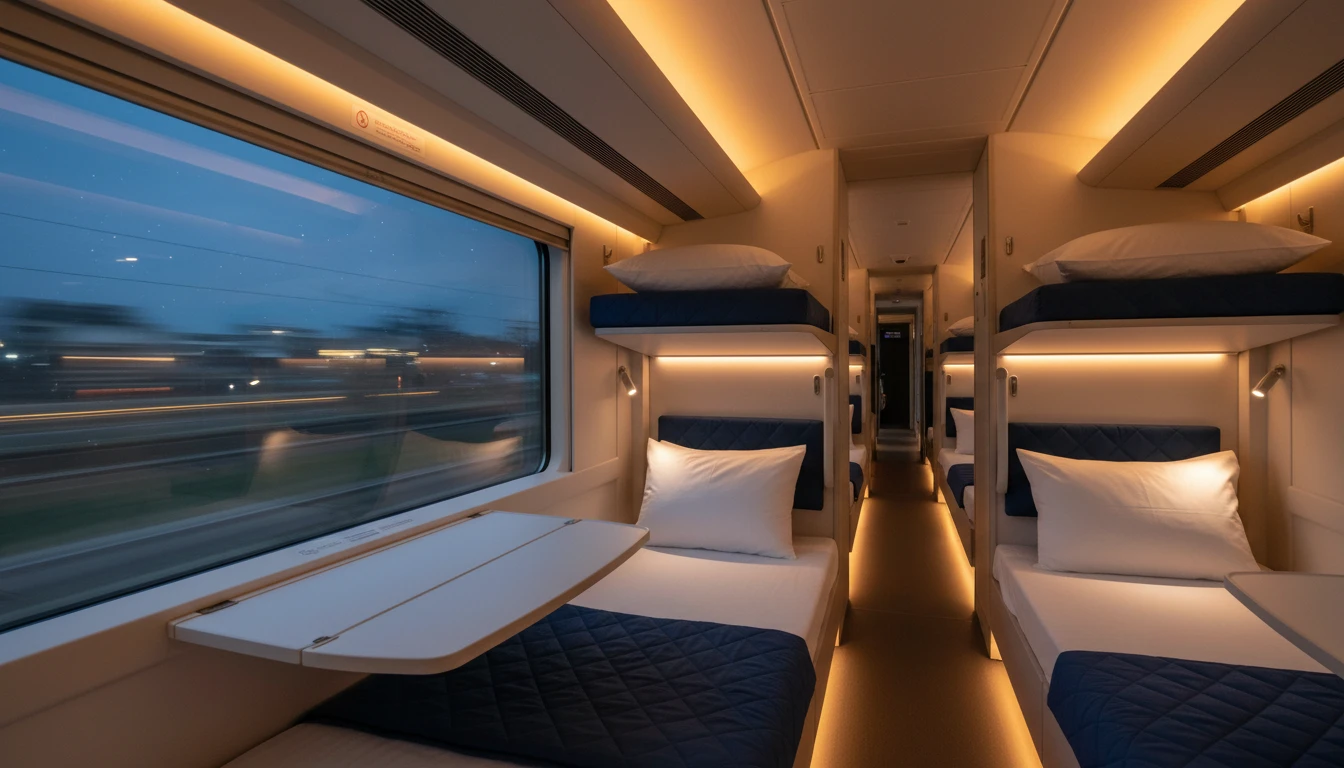
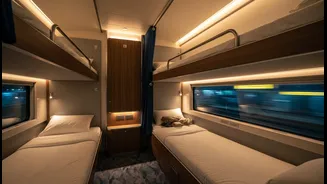
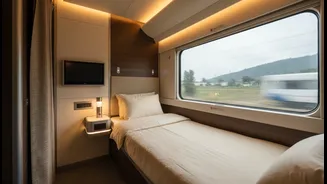
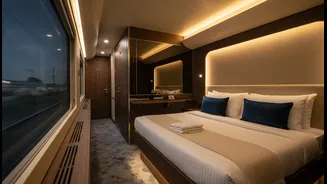
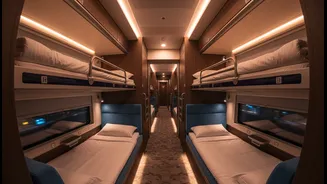
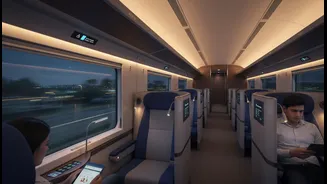
The Vande Bharat sleeper isn't just a cosmetic update; it's a technological leap. Built as self-propelling trainsets, they eliminate the need for a separate locomotive, allowing for faster acceleration and deceleration. This design contributes to a maximum operational speed of up to 160 km/h, with the potential to reach 180 km/h, significantly reducing travel time on key routes. Inside, the focus is on passenger experience. Each 16-coach train can carry around 823 passengers across First, Second, and Third AC classes. The berths are designed to be more ergonomic and better cushioned. Features include sensor-based lighting, modern bio-vacuum toilets, automatic doors, and superior noise reduction, all aimed at providing a smoother, quieter, and more restful journey.
The Practical Advantage Over Planes and Rajdhanis
For decades, the Rajdhani Express has been the gold standard for premium overnight train travel. The Vande Bharat sleeper aims to replace it on select corridors by offering faster transit and upgraded comfort. While a flight might seem quicker, the Vande Bharat proposition is compelling when you factor in total travel time. A typical flight requires arriving at the airport two hours early, plus travel to and from airports that are often located far from city centres. The sleeper train, in contrast, offers a city-centre-to-city-centre connection. You can board late in the evening, enjoy a full night's sleep, and arrive in the heart of your destination city the next morning, saving on a night's hotel accommodation and avoiding the hassles of airport security and baggage limits.
Making Weekend Getaways a Reality
Imagine leaving your office on a Friday, heading to the station, and boarding a train departing from Mumbai at 10 PM. Instead of a tiring overnight bus journey or an expensive last-minute flight, you settle into a comfortable berth. You wake up having covered hundreds of kilometres, arriving in Bengaluru on Saturday morning ready to explore. This is the scenario the Vande Bharat sleeper makes possible. By turning travel time into rest time, it effectively extends the usable time at your destination. A two-day weekend trip no longer means sacrificing one of those days to exhausting travel. This efficiency is a game-changer for spontaneous trips and exploring cities that were previously just a bit too far for a short break.
When and Where Can You Travel?
Following the inaugural Howrah-Kamakhya and the Varanasi-Chheharta routes, Indian Railways is planning a wider rollout. While some timelines have seen delays due to design finalisations, production is underway by multiple manufacturing consortiums. A number of high-demand corridors are under consideration for future expansion. Routes like Mumbai-Bengaluru, Delhi-Mumbai, Delhi-Howrah, and several others connecting major metros are strong contenders. For instance, two Vande Bharat sleeper rakes built by BEML are already stationed in Bengaluru, awaiting formal clearance for the much-anticipated Bengaluru-Mumbai service. Passengers are advised to keep an eye on official announcements from Indian Railways as more routes are expected to be confirmed and launched over the coming months and years.