




1. Crispy Baked Polenta Fries
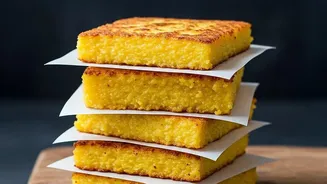
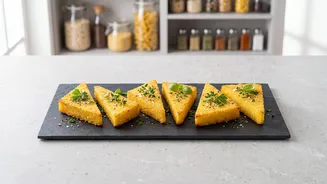
A healthier, yet equally satisfying, alternative to traditional potato fries. The key is to make a firm polenta, let it set, and then bake it at a high temperature. Start by cooking your polenta with water or broth, stirring until it's very thick. Pour
it into a baking dish and chill it in the refrigerator for at least an hour until firm. Once solid, cut the polenta block into fry-shaped sticks. Toss these sticks with olive oil, salt, pepper, and your favourite herbs like rosemary or Italian seasoning. Arrange them in a single layer on a baking sheet and bake at a high heat, around 220°C, for 30-40 minutes, flipping halfway through, until they are golden brown and crispy on the outside. Serve immediately with a side of marinara or aioli for dipping.
2. Grilled Polenta with Savoury Toppings
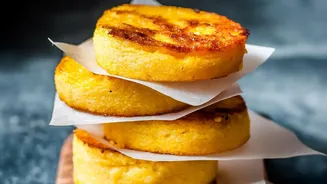
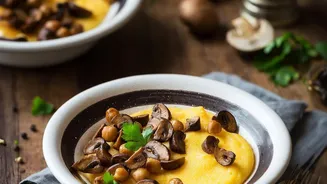
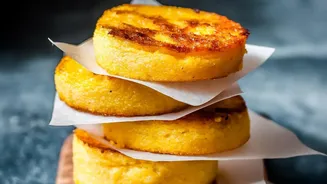
Grilling adds a wonderful smoky flavour and satisfying char to polenta. This method also works best with firm, pre-cooked polenta, which you can either make ahead or buy in a tube. Slice the firm polenta into half-inch thick rounds or squares. Brush each side lightly with olive oil to prevent sticking and to help create a beautiful golden crust. Place the slices on a medium-high grill for about 5-7 minutes per side, until you see distinct grill marks and the edges are crispy. These grilled cakes are a perfect base for a variety of toppings. Try a simple Caprese style with fresh mozzarella, tomato, and basil, or go for something heartier like a mushroom ragout or crumbled Italian sausage.
3. Creamy Parmesan and Herb Polenta
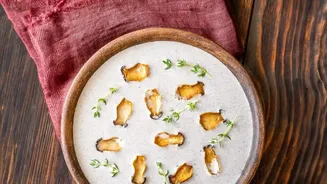
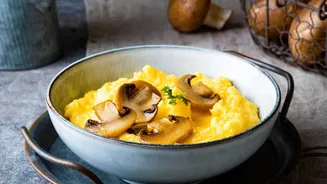
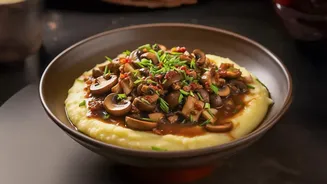
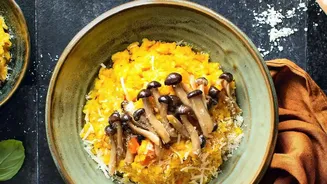
This is the classic, comforting form of polenta, perfect as a bed for stews, braised meats, or roasted vegetables. To achieve a luscious, creamy texture, gradually whisk your polenta into simmering broth or milk, stirring constantly at first to prevent lumps. Reduce the heat to low and continue to cook, stirring frequently, for about 20-25 minutes until the grains are soft and the mixture is thick. The secret to rich flavour is what you add at the end. Remove the pot from the heat and stir in a generous amount of unsalted butter and freshly grated Parmesan cheese until fully melted and incorporated. Fresh herbs like thyme, rosemary, or parsley stirred in at the end will add another layer of flavour.
4. Moist Lemon and Almond Polenta Cake
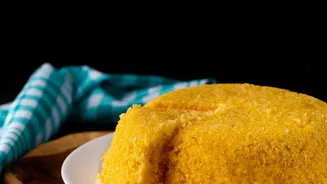
Polenta's fine, sandy texture can create a wonderfully moist and tender crumb in cakes. A classic combination is lemon and almond polenta cake, which is naturally gluten-free. To make it, you'll cream together soft butter and sugar until light and fluffy. Then, beat in eggs one at a time, followed by lemon zest. In a separate bowl, combine the dry ingredients: ground almonds, polenta (fine cornmeal), and baking powder. Gently fold the dry ingredients into the wet mixture. Pour the batter into a prepared cake tin and bake for about 40 minutes at 180°C. While the cake is still warm, pierce it all over with a skewer and pour over a simple syrup made from lemon juice and sugar for extra moisture and zing.
5. Sweet Polenta Pudding with Berries
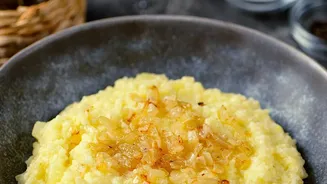
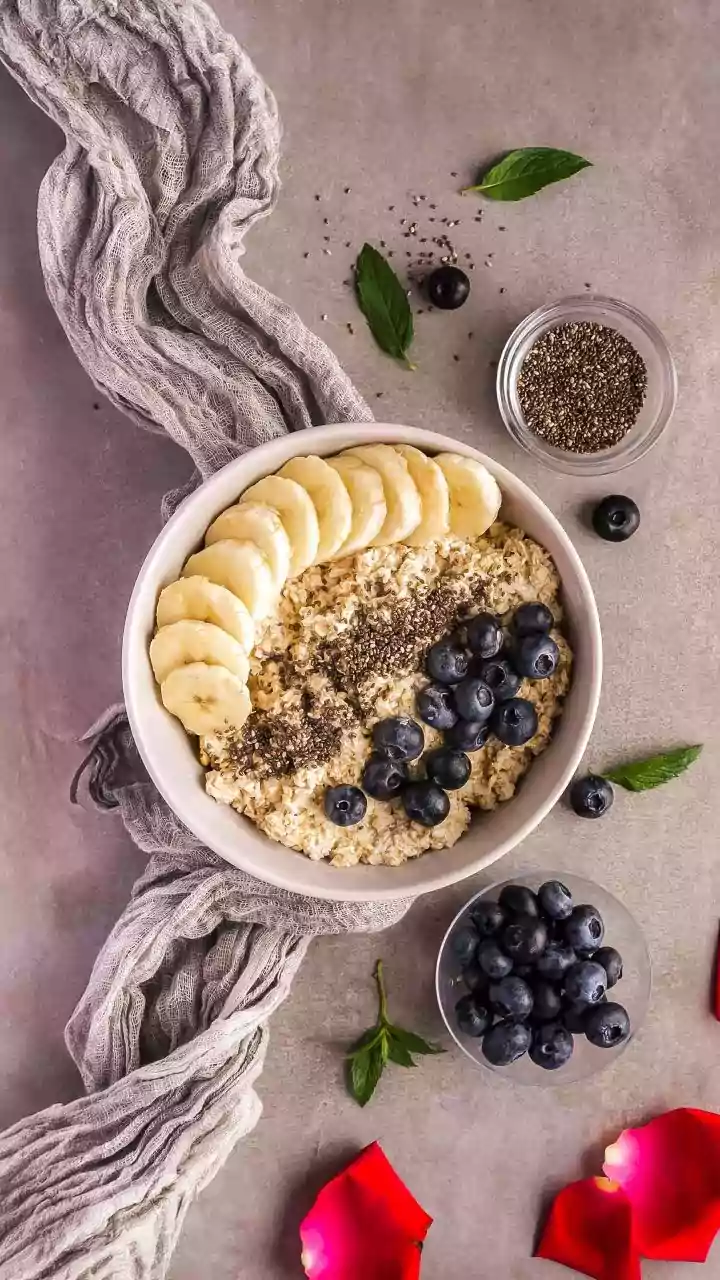
For a simple and unique dessert, polenta can be cooked into a sweet, creamy pudding. In a saucepan, bring milk (or a mix of milk and water) and sugar to a gentle boil. Slowly whisk in the polenta and a pinch of salt. Continue to cook on low heat, stirring often, until the mixture is thick and creamy. This can take around 20-30 minutes. Once cooked, stir in a knob of butter and a dash of vanilla or cinnamon for warmth. You can serve this sweet pudding warm in bowls, topped with fresh berries, a drizzle of honey, or a dollop of yogurt. It offers a comforting and rustic end to any meal, showcasing polenta's incredible range.