






From Afterthought to Main Event
Not long ago, recovery was something reserved for elite athletes or what you did passively on a rest day. Today, it’s an active, intentional part of modern fitness culture. This shift reflects a broader change in mindset: people are now training for longevity,
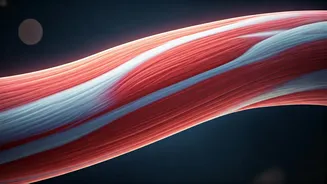
mobility, and overall wellness, not just short-term gains. As a result, recovery has transformed from an afterthought into a booming segment of the wellness industry, with dedicated studios for stretching, cryotherapy, and massage becoming mainstream. The logic is simple—exercise is the stimulus that creates micro-tears in your muscles, but the actual growth and strengthening happen during the recovery period. Without adequate recovery, you not only stall your progress but also open the door to fatigue and injury.
The Pillars of Smart Recovery
Effective recovery isn’t just about putting your feet up. It’s a multi-faceted approach built on a few key pillars. The most crucial and often overlooked element is sleep. During deep sleep, your body releases growth hormone, which is essential for repairing tissue and building muscle. Most experts recommend 7-9 hours of quality sleep per night for optimal repair. Nutrition is the second pillar. After a workout, your body needs the right fuel to repair muscle damage and replenish energy stores. Consuming a combination of protein and carbohydrates within 90 minutes of exercise provides the necessary building blocks for muscle synthesis and restores glycogen levels. Hydration is equally important, as water helps transport these nutrients and flush out metabolic waste.
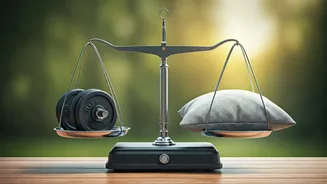
Active vs. Passive: Finding Your Balance
Recovery strategies can be broadly divided into two categories: active and passive. Passive recovery involves complete rest and minimal physical exertion, like sleeping or getting a massage. This is vital for nervous system recovery and managing overall fatigue. Active recovery, on the other hand, involves low-intensity movement on rest days, such as walking, light cycling, or gentle yoga. This type of recovery helps maintain blood flow, reduce stiffness, and clear metabolic byproducts like lactic acid from the muscles more efficiently than total rest. Most successful fitness plans incorporate both. For example, after a very intense training session, a day of passive recovery might be best, followed by a day of active recovery to ease back into movement.
The Rise of the Recovery Toolkit
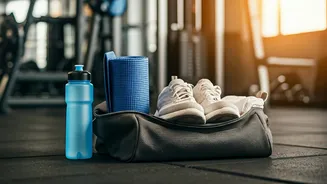
The growing focus on recovery has also led to a surge in specialised tools and therapies. Foam rollers and massage guns have become gym bag staples for self-myofascial release, helping to ease muscle tension and improve circulation. More advanced techniques, once confined to professional sports, are now widely accessible. Compression garments are used to enhance blood flow, while cold therapies like ice baths or cryotherapy aim to reduce inflammation and muscle soreness. Heat therapy, such as a sauna or warm bath, can help relax muscles. While the scientific backing for some of these methods is stronger than for others, many people find them beneficial for managing post-workout discomfort and speeding up their return to the gym.