





The critical COP31 climate summit in Antalya has ended in a bitter stalemate, not over climate science, but over money. Despite marathon negotiations, deep disagreements over who should pay for the climate transition have derailed a final accord.
The Core of the Conflict
Climate
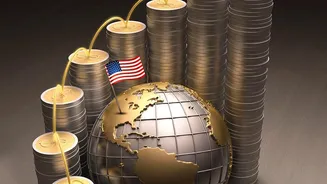
finance refers to the money that richer, developed nations—who are historically responsible for the bulk of greenhouse gas emissions—provide to poorer, developing countries. This funding is crucial for two reasons: mitigation, which means helping developing nations adopt green technologies and reduce their own emissions, and adaptation, which involves preparing for and coping with the unavoidable impacts of climate change like floods and droughts. For years, developing countries, including India, have argued that they cannot be expected to sacrifice their economic development without substantial, predictable financial support. This long-standing tension has once again become the primary point of failure at the global climate talks.
A History of Broken Promises
The current mistrust is rooted in a history of unfulfilled pledges. Back in 2009, developed nations promised to provide $100 billion a year by 2020. That target was met years behind schedule, eroding trust. The key battle at COP31 was over its replacement, the New Collective Quantified Goal (NCQG). Developing nations, pointing to their immense needs, argue the new figure must be in the trillions. However, developed nations came to the table with far more modest figures and differing ideas on who should contribute. Some, including the EU, declared new finance demands 'dead in the water' even before talks began, poisoning the atmosphere.
The View from the Global South
For developing countries, represented by blocs like the G77 and China, the demands are clear. India, a key voice in these negotiations, has insisted that finance must be based on the principle of 'common but differentiated responsibilities'—acknowledging historical fault. New Delhi argues that funding must be new, additional to existing aid, and primarily come as grants, not loans that would push already struggling nations deeper into debt. At COP31, India repeatedly invoked Article 9.1 of the Paris Agreement, which legally obliges developed countries to provide this financial support. The failure to secure a meaningful outcome on finance was seen by many as a betrayal.
Developed Nations' Position
Developed countries, including the EU and the Umbrella Group, have pushed back. While acknowledging the need for finance, they argue the global economic landscape has changed. They are pushing for the contributor base to be expanded, suggesting that major emerging economies should also pay into the fund. Furthermore, there is a strong preference for mobilizing private capital and offering concessional loans rather than direct government grants. At COP31, developed nations were accused of blocking progress on every major finance track, from a plan to triple adaptation finance to establishing a clear process for delivering funds, creating widespread frustration.
Consequences of the Deadlock
The failure to agree on a final 'cover decision' at COP31 means key issues are left unresolved. Without a financial deal, progress on other fronts becomes nearly impossible. Developing nations are less likely to agree to more ambitious emissions cuts if they feel they are being left to foot the bill alone. The stalemate has been called one of the 'worst' outcomes in COP history, a victory only for fossil fuel interests. It leaves vulnerable communities without the adaptation finance they desperately need to survive escalating climate impacts and severely undermines the multilateral process for tackling the crisis.