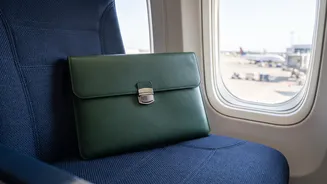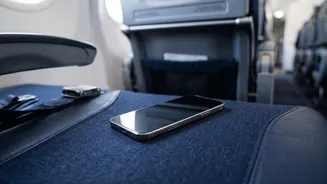







It’s a familiar moment of panic: you’ve deplaned, cleared the jet bridge, and suddenly realize your tablet, headphones, or passport is still nestled in the seat pocket. Before you despair, know there is a process for these forgotten treasures.
The Initial Discovery
The moment
a plane arrives at the gate, a flurry of activity begins. As passengers disembark, cleaning crews board to prepare the aircraft for its next journey. These crews are often the first line of defense in the battle of the lost and found. They sweep through the cabin, collecting discarded wrappers, cups, and, quite often, personal belongings left behind in seat pockets, overhead bins, or between cushions. Found items are typically handed over to the airline’s ground staff or gate agent. If you realize you've left something behind while still at the airport, your first stop should be the airline's gate agent or their baggage service office. They might be able to intercept the item before it gets absorbed into the larger lost-and-found system.
Cataloging the Forgotten
Once an item is turned in, it begins a formal journey. Airline staff log the found object into a database, noting its description, the flight number, the seat where it was found, and the date. This is where detail becomes crucial. A report for a 'black phone' is hard to match, but a report for an 'iPhone with a green case and a small crack on the corner' is much more effective. Many major airlines use a centralized lost and found system, often managed by a third-party service, to handle the sheer volume of forgotten property. From there, the item is typically held at the arrival airport for a few days before being transferred to a central warehouse for a more extended period.
How to File a Claim
Time is of the essence. The sooner you file a lost item report, the higher your chances of recovery. Nearly every airline has an online form for this exact purpose. Be prepared to provide your flight number, seat number, and a highly detailed description of the item. Include the brand, model, color, serial number, and any unique identifying marks. Once you submit the form, you'll typically receive a confirmation email with a case number to track the status of your search. The airline will actively search for your item for a set period, usually around 30 days, and notify you if a match is found.
Commonly Lost Items
You are not alone in your forgetfulness. Electronics like phones, tablets, and laptops are at the top of the list of most frequently lost items, followed closely by their chargers and cables. Wallets, passports, and IDs also make a frequent appearance, often left behind in the rush at security checkpoints or at the gate. Other common orphans of the airways include jewelry, headphones, books, jackets, and, of course, the ubiquitous travel pillow. Interestingly, while Federal Aviation Administration (FAA) guidelines suggest seat pockets are only for lightweight items like magazines, passengers often use them for heavier electronics, which can become a safety hazard.
The Final Destination for Unclaimed Goods
What happens when an item is never claimed? Airlines typically hold onto belongings for a period ranging from 30 to 90 days. After this window, the items are considered legally abandoned. They don't just disappear into a warehouse forever. Many airlines sell their unclaimed baggage and items in bulk to specialized companies. The most famous of these is the Unclaimed Baggage store in Alabama, which buys, cleans, and resells orphaned items, from clothing to electronics and even unusual finds like samurai swords or bionic knees. Other unclaimed goods may be donated to charities or, in some cases, disposed of or destroyed.