

1. The Lofoten Islands: Iconic and Dramatic
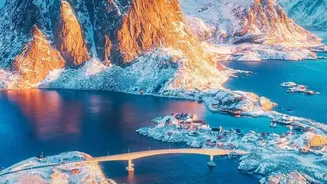
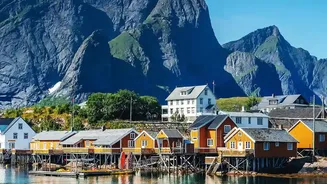
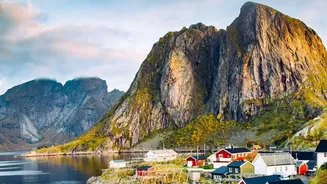
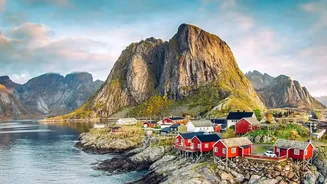
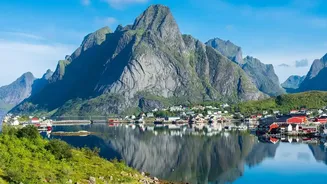
The Lofoten archipelago is the Norway you’ve seen in pictures: sharp, jagged peaks rising directly from the ocean, dotted with classic red fishing cabins known as 'rorbuer'. It’s a landscape of raw, accessible drama. The main islands are connected by
bridges and tunnels, making it a world-class road trip destination. Villages like Reine and Hamnøy are famously picturesque, offering a perfect blend of untamed nature and cozy, historic charm. Despite their popularity, the islands retain a wild heart, with countless hiking trails and hidden beaches. Seasonal Context: Summer (June-August) is the season of the midnight sun, offering 24 hours of daylight for hiking, kayaking, and photography. This is peak season, so expect more visitors. Winter (December-March) is a different world. The days are short and the landscapes are draped in snow, creating a serene, magical atmosphere. This is the prime time for chasing the Northern Lights, which dance across the sky on clear nights.
2. Senja: A Quieter, Wilder Alternative
Often described as 'Norway in Miniature', Senja is the country's second-largest island and offers all the drama of Lofoten but with a fraction of the crowds. Its outer coast is a formidable wall of granite peaks that drop straight into the sea, while its inner coast is gentler, with rolling hills and pine forests. The Senja National Tourist Route threads along the wild western shore, connecting viewpoints like Bergsbotn and Tungeneset, the latter famous for its view of the jagged 'Devil's Teeth' mountain range. It’s an ideal destination for those seeking serious hiking and a feeling of solitude. Seasonal Context: Like Lofoten, summer in Senja is for round-the-clock hiking under the midnight sun. Autumn brings stunning colours and fewer people, making it an atmospheric time to visit. Winter offers incredible opportunities for seeing the Northern Lights over the dramatic peaks without the light pollution of busier areas. Activities like snowshoeing and dog sledding are popular ways to experience the snowy landscape.
3. Vesterålen: The Year-Round Whale Kingdom
Just north of Lofoten lies the Vesterålen archipelago, a gentler and more spread-out collection of islands known for something very special: whales. Thanks to the deep underwater canyon, Bleiksdjupet, the waters off the coast of Andenes are a nutrient-rich feeding ground. This makes Vesterålen one of the only places in Norway where you have a high probability of seeing whales all year. The landscape here is less about sharp peaks and more about rolling farmlands, vast moorlands, and a quieter, more pastoral coastal life. Seasonal Context: Summer safaris from Andenes and Stø primarily seek out sperm whales. You might also see pilot whales, minke whales, and dolphins. Winter brings a different spectacle. From roughly November to January, vast shoals of herring migrate into the fjords, attracting large numbers of orcas and humpback whales. This turns the region into a global hotspot for watching these magnificent creatures feast.
4. Sommarøy: The Arctic's Caribbean
Its name means 'Summer Island', and when you see Sommarøy's white-sand beaches and impossibly turquoise water, you’ll understand why it's often compared to the Caribbean—albeit an Arctic version. This small, vibrant fishing village, just an hour from Tromsø, is an archipelago of tiny islands connected by bridges. The scenery is a miniature Lofoten, with small peaks framing the stunning coastline. In 2019, it famously campaigned to become the world's first 'time-free zone', reflecting a local lifestyle dictated by the sun, not the clock. Seasonal Context: In summer (mid-May to late July), the midnight sun never sets, making it possible to kayak or enjoy a beach picnic at 2 a.m. in full daylight. The water is crystal clear and the atmosphere is perpetually bright. Winter flips the experience entirely. The polar night brings long, dark days perfect for spotting the Northern Lights, with the island’s low light pollution providing an ideal viewing canvas. The snowy beaches and frozen sea create a stark, beautiful contrast.
5. Svalbard: The True High Arctic
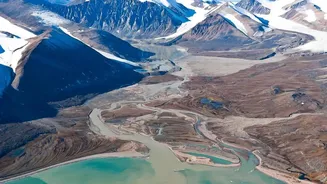
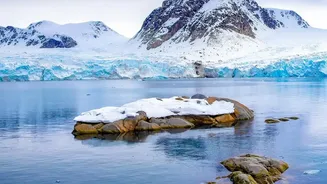
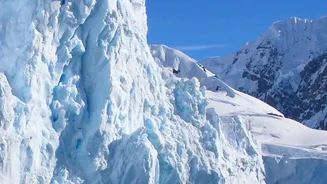
For the ultimate remote island experience, nothing compares to Svalbard. This archipelago lies halfway between mainland Norway and the North Pole, a realm of glaciers, polar bears, and stark, frozen beauty. This is not a casual destination; it’s a true Arctic wilderness where nature rules. Travel outside the main settlement of Longyearbyen is highly regulated and typically done via organised tours, whether by boat, snowmobile, or with a rifle-carrying guide. The experience here is less about quaint villages and more about confronting the raw power of the polar environment. Seasonal Context: Svalbard has three distinct seasons. The 'Polar Summer' (mid-May to September) brings the midnight sun and opens the seas for expedition cruises to spot walrus, whales, and polar bears on the sea ice. The 'Northern Lights Winter' (October to February) is defined by the polar night—a period of 24-hour darkness perfect for aurora viewing. Finally, the 'Sunny Winter' (March to mid-May) offers the best of both worlds: deep snow for dog sledding and snowmobiling, but with the sun returning to illuminate the icy landscapes.