






From Raw Materials to Retail Shelves
Wholesale commodities are the basic raw materials used to produce the goods we use every day. Think of crude oil that becomes petrol, wheat for our rotis and bread, cotton for our clothes, and metals for cars and appliances. When producers of these goods have
to pay more for these essential ingredients, that higher cost doesn't just disappear. It travels down the supply chain, from the manufacturer to the wholesaler, and finally to the retailer where you do your shopping. This process, known as cost pass-through, is why a spike in global energy prices can eventually mean you pay more for your groceries.
A Look at Today's Rising Costs
Recent data from October 2026 shows a significant surge in these foundational costs. India's Wholesale Price Index (WPI) inflation, a key measure of these producer-level prices, jumped to 11.39% in September. This was driven by sharp increases across major categories. Fuel and power inflation climbed to a staggering 25.85%, while food articles at the wholesale level also saw an acceleration in price rises. Specific items driving these increases include mineral oils (petroleum products), crude petroleum, and various food articles. These are not just abstract numbers; they represent the initial price shock that eventually translates into higher consumer bills.
The Impact on Your Monthly Budget
The effect on families is direct and tangible. As of September 2026, India's retail inflation (the prices we actually pay) rose to 5.54%, with food inflation hitting 7.74%. Items like onions have seen prices more than double compared to last year. When the cost of non-negotiable essentials like food and fuel rises, it consumes a larger portion of a household's monthly income. This leaves less money for everything else. For many, this means cutting back on discretionary spending like eating out, entertainment, or new clothing.
The Squeeze on Savings
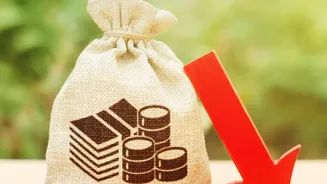
The most significant casualty of this budget squeeze is often savings. When daily expenses demand more cash, the amount left over at the end of the month shrinks. This directly impacts a family's ability to put money aside for important goals like education, a down payment on a home, retirement, or even building an emergency fund. An RBI survey in September 2026 noted that household expectations of future inflation are rising, a sentiment driven by their personal experiences with food and fuel prices. This economic pressure can force a difficult choice: reduce savings or go into debt to cover rising costs.
Why Is This Happening Now?
A combination of factors is fuelling this inflationary pressure. Geopolitical conflicts can disrupt supply chains and increase input costs for everything from energy to food. A sub-par monsoon season in 2026 has also put pressure on agricultural output, impacting food prices. In response to rising inflation, the Reserve Bank of India (RBI) recently increased the repo rate to 5.50%, making borrowing more expensive to try and cool down spending. While this move is aimed at controlling inflation, it can also increase EMI payments for those with home or auto loans, further tightening household finances.